


 English (English)
 Deutsch (German)
 Čeština (Czech)
 Italiano (Italian)
 Hrvatski (Croatian)
 Română (Romanian)
 български език (Bulgarian)
 Magyar (Hungarian)
 Español (Spanish)
 Français (French)
 Nederlands (Dutch)
 Polski (Polish)
 Slovenčina (Slovak)
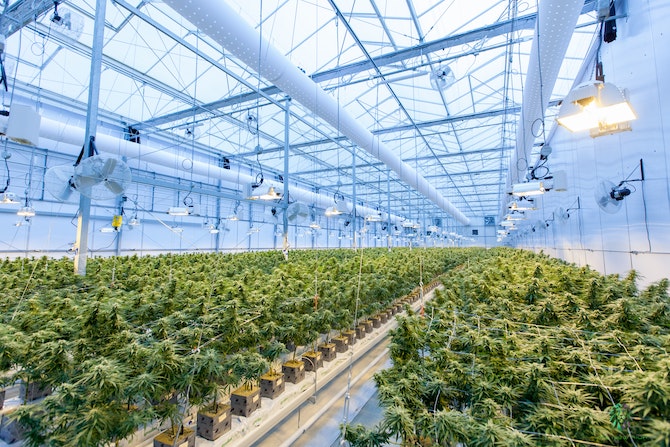
Lighting is a fundamental element in the theoretical study of the development of collector cannabis seeds in a controlled environment. In the tropical regions of South America, where these genetics evolve naturally, intense sunlight shapes their unique characteristics. Understanding the light requirements of these varieties allows collectors to grasp the genetic properties of their specimens.
Appropriate lighting systems directly influence the theoretical development stages of indoor genetics. This knowledge proves particularly relevant in our temperate latitudes, where natural sunlight differs considerably from the original conditions of these collector varieties.
Technical Characteristics of Light Sources and Genetic Impact
Each light source has distinct properties that theoretically influence the development of cannabis genetics. The wavelength (measured in nanometers), the color temperature (expressed in Kelvin), and the light intensity (quantified in lumens) are the essential parameters to consider.
Certain light spectrums theoretically favor the vegetative phase, while others stimulate the flowering phase of the genetics. The color spectrum and exposure duration determine the theoretical physiological responses of these collector varieties.
Insufficient light exposure can theoretically trigger a premature transition to flowering. Conversely, extended lighting during the first months favors optimal vegetative development, allowing plants to express their full genetic potential in cannabinoids, terpenes, and aromatic compounds.
Importance of the Color Spectrum in Genetic Study
Quality lighting for analyzing collector seeds must have a balanced spectrum, allowing cannabis genetics to express their natural seasonal characteristics:
Blue light theoretically optimizes photosynthesis and stimulates the vegetative growth of the genetics being studied
Yellow and red spectrums encourage the transition to the flowering phase of collector varieties
Green light remains largely reflected by plant tissue. Exclusive exposure to this spectrum theoretically simulates nighttime conditions
For genetic studies, the optimal light intensity is around 3000 lumens per square meter, with a minimum of 2000 lumens. The general principle states that high light intensity favors the full expression of the genetic potential of collector varieties.
The distance between the light source and the specimens significantly influences their development. Excessive distance theoretically causes stem stretching, while excessive proximity can damage the foliage. 250W lamps generally require positioning about 30 centimeters from the vegetative apexes.
Lighting Technologies for Studying Indoor Genetics
The market offers various lighting technologies, only some of which are suitable for the in-depth study of collector cannabis seeds. These systems differ in their spectral properties, energy efficiency, and acquisition cost.
Classic Incandescent Bulbs
Traditional household bulbs are completely unsuitable for studying cannabis genetics. Their incomplete light spectrum and low energy efficiency disqualify them for these specialized applications.
High-Pressure Discharge Systems
These technologies dominate the professional horticultural lighting market. Several categories can be distinguished:
- Mercury vapor lamps
- High-pressure sodium systems (HPS)
- Metal halide technologies (MH)
Metal Halide Lamps (MH)
Composed of various metal iodides (thallium, sodium) enriched with mercury, these lamps are gradually replacing older mercury technologies. Their blue-white spectrum is particularly suited to studying the vegetative phase and root development of collector genetics.
Advantages: Spectrum suited to growth, commercial availability
Disadvantages: Inadequate for flowering, high energy consumption, significant heat output
High-Pressure Sodium Technology (HPS)
These systems use a tube containing sodium, xenon, and mercury within an outer envelope. Their red-orange spectrum theoretically favors the flowering phase of collector varieties, optimizing resin production and inflorescence development.
Advantages: High light efficiency, optimal spectrum for flowering, superior lifespan
Disadvantages: Incomplete spectrum for vegetative growth, significant heat output
LED Systems and Emerging Technologies
Light-emitting diodes are revolutionizing horticultural lighting thanks to their exceptional energy efficiency and their ability to produce custom spectrums. These technologies make it possible to combine different wavelengths to create optimal light conditions for each stage of development of collector seeds.
Modern LED panels incorporate blue, red, and white diodes, faithfully reproducing the natural conditions in which cannabis genetics evolve. Their low heat output simplifies the climate management of study spaces, while significantly reducing energy costs.
This in-depth understanding of light requirements allows collectors to grasp the complex genetic mechanisms governing the expression of cannabinoids, terpenes, and other bioactive compounds characteristic of their collector seeds. Lighting is thus a fundamental study tool for exploring the genetic richness of cannabis as a botanical collector specimen.