


 English (English)
 Deutsch (German)
 Čeština (Czech)
 Italiano (Italian)
 Hrvatski (Croatian)
 Română (Romanian)
 български език (Bulgarian)
 Magyar (Hungarian)
 Español (Spanish)
 Français (French)
 Nederlands (Dutch)
 Polski (Polish)
 Slovenčina (Slovak)
Cannabinoids are a group of chemical compounds found in the cannabis plant. The best known of them are THC (tetrahydrocannabinol) and CBD (cannabidiol). Both are formed in the resin glands (trichomes) of the plant, mainly on the flowers, and their ratio differs from one variety to another.
Cannabinoids are not just THC and CBD. Around 100 or more other cannabinoids are thought to be present in cannabis. Many of them occur only in trace amounts, and scientific interest in their chemistry has never been higher.
How many cannabinoids are there?
To date, at least 113 different cannabinoids have been isolated from the Cannabis plant. However, there is some scientific disagreement about the exact number as more research is done into the science of cannabinoids and new discoveries are made. The two most well-known cannabinoids are THC and CBD, but attention is beginning to be paid to other, less-represented cannabinoids as cannabinoid research intensifies and knowledge expands.
Science is struggling to keep up with the data that is beginning to emerge from cannabinoid research! Interest in learning more about the chemical properties of each cannabinoid is growing. In fact, a huge amount of work, effort and research remains to be done.
For a long time, research into cannabis was very limited, which left a knowledge vacuum that is only slowly being filled. Questions about how individual cannabinoids are formed in the plant and how they interact chemically are still the subject of ongoing research.
With so many cannabinoids, it makes sense to try to categorize them. Some cannabinoids can only be seen in the fresh plant (raw cannabinoids). Some cannabinoids are only formed when raw cannabinoids are heated (eg in a vaporizer). Other cannabinoids are only formed when raw or heated cannabinoids are allowed to mature.
THCA is a raw cannabinoid found in the fresh plant. When heated, THCA is converted into THC. This shows the dramatic chemical changes that can occur in individual cannabinoids with a small amount of heat. THC can also later convert to CBN when left for long periods of time.
Raw cannabinoids
Raw cannabinoids are defined as cannabinoids present only in fresh plant material. These are often “acidic” versions of cannabinoids. These raw cannabinoids are often unstable and easily break down with a little heat to create a non-acidic version.
How are cannabinoids formed in the plant?
Most cannabinoids originate from a single precursor, cannabigerolic acid (CBGA). Enzymes in the plant convert CBGA into THCA, CBDA or CBCA. Which of these acids predominates depends on the genetics of the given variety. That is why some varieties are rich in THC, while others contain mainly CBD.
Chemically, cannabinoids belong to a group of compounds called terpenophenols. They are produced together with terpenes in the trichomes, which is why the resin of cannabis flowers is so rich in both groups of substances.
The biochemistry of cannabinoids is still only partly explored. Much more remains to be done.
Meanwhile, perhaps the most exciting chapter in cannabis history is unfolding. Breeders of new cannabis varieties have already released new strains rich in THCV, CBDV and CBG. And they remain fully committed to further work on new strains rich in rare, novel cannabinoids.
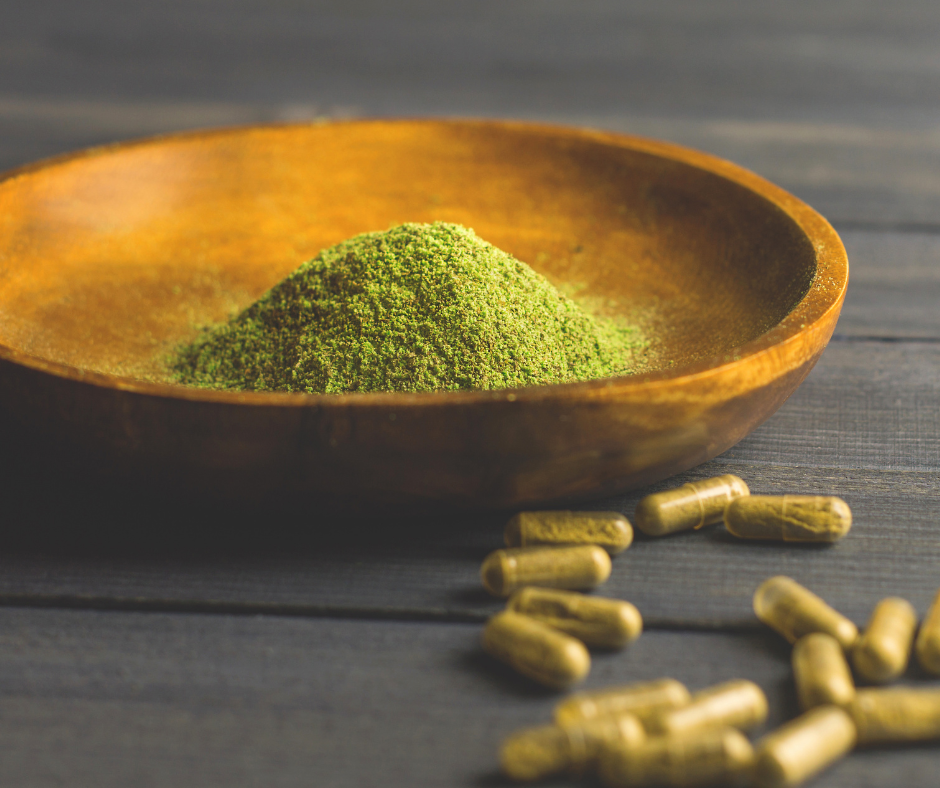
Kratom Effects: What Is Kratom and How Does It Work?
Today we will focus on the fascinating world of Kratom, a plant that increasingly attracts the attention of people seeking natural alternatives to support their health and well-being. In this article, we will explore the origin, various types, effect…
Read more ›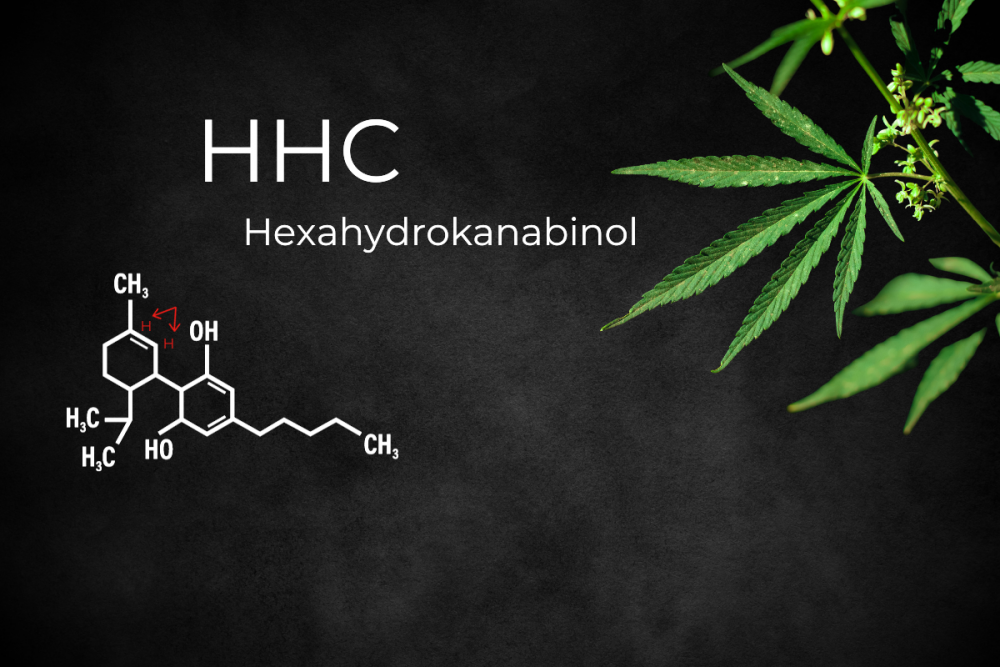
HHC: What It Is, Its Effects and Why It Is Banned
Learn what HHC is, how it is made and why it is a controlled substance in Czechia and many other EU countries. The article covers its legal status, known effects and risks.
Read more ›
Christmas cocktails with cannabinoids: recipes to enrich your festive moments.
The most wonderful time of the year is approaching, when we can combine the joy of the Christmas atmosphere with something a little unusual. Imagine a Christmas tree, a scented candle and a cannabinoid-infused cocktail in your hand...
Read more ›
Warning: CBD oils may contain synthetic cannabinoids instead of organic cannabidiol
Risk warning: CBD oils with synthetic cannabinoids! Discover the secret to recognizing their presence and protecting yourself from danger. Find out what synthetic cannabinoids actually are and why you should avoid consuming them. Read our article and…
Read more ›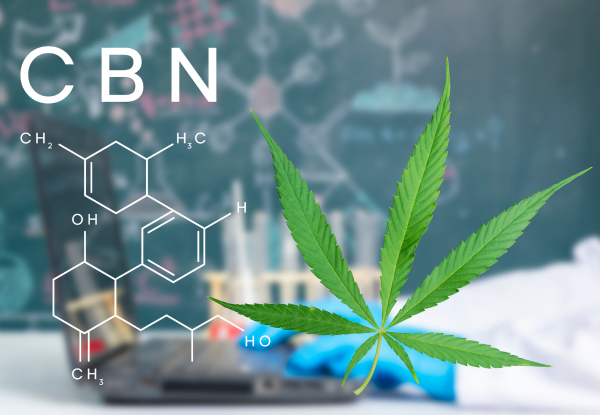
CBN - a new cannabinoid with significant therapeutic potential
Discover the cannabinoid CBN and its promising therapeutic potential! Learn about this fascinating cannabis factor that offers possibilities for treating pain, anxiety and sleep disorders. Learn more about this interesting substance and its positive…
Read more ›
THC-P: What Is It and Why You Need to Know About It?
Forget CBD and THC! Discover the amazing cannabinoid CBC and its potential therapeutic properties. Read our article and find out why you should pay attention to this fascinating cannabinoid.
Read more ›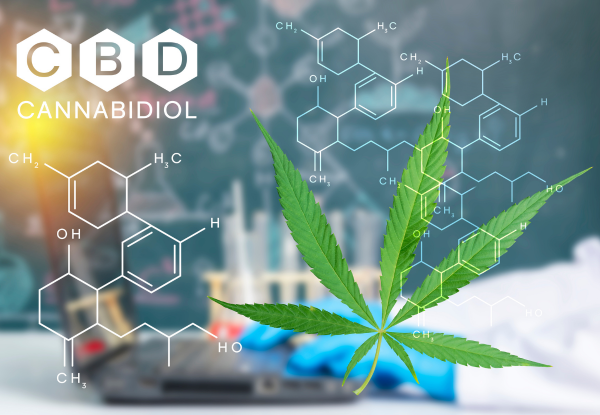
Potency of CBD vs. CBD with other cannabinoids
Discover the power of CBD and its synergistic potential with other cannabinoids with our quality products! Discover the diversity of natural compounds and their beneficial effects on your health and well-being. Get ready for an amazing journey of dis…
Read more ›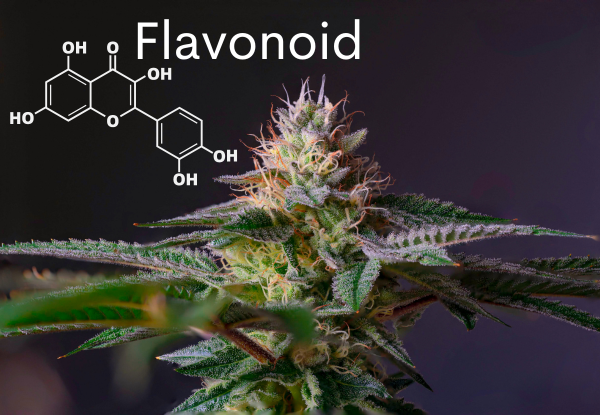
Flavonoids - an important component of cannabis alongside cannabinoids and terpenes
Discover the amazing world of cannabis flavonoids and their beneficial effects on your health! Explore the different types of flavonoids and their effect on the human body. Dive into the fascinating world of these natural substances and discover thei…
Read more ›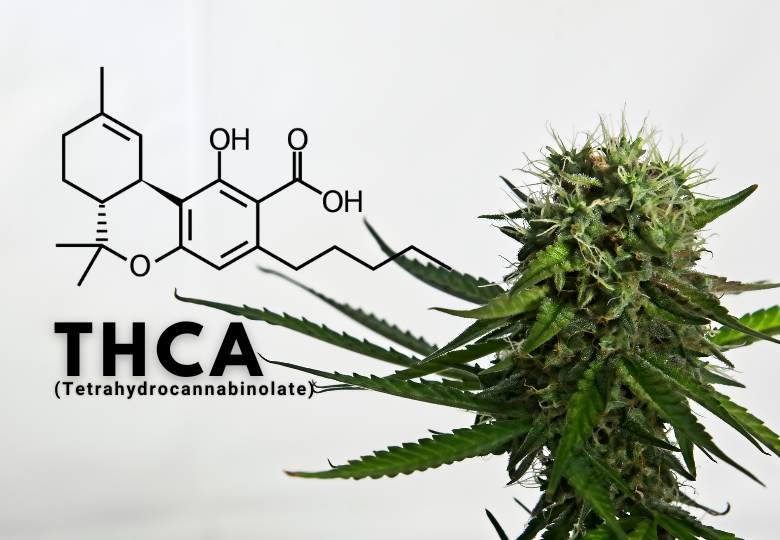
Decarboxylation and THCA: What Is It and How Does It Differ from THC?
THC, CBD, HHC, are those abbreviations giving you a headache too? Try to hang on and give a chance to today's article, in which we will briefly introduce another of the cannabinoids contained in cannabis. This is the so-called THCA. You can read more…
Read more ›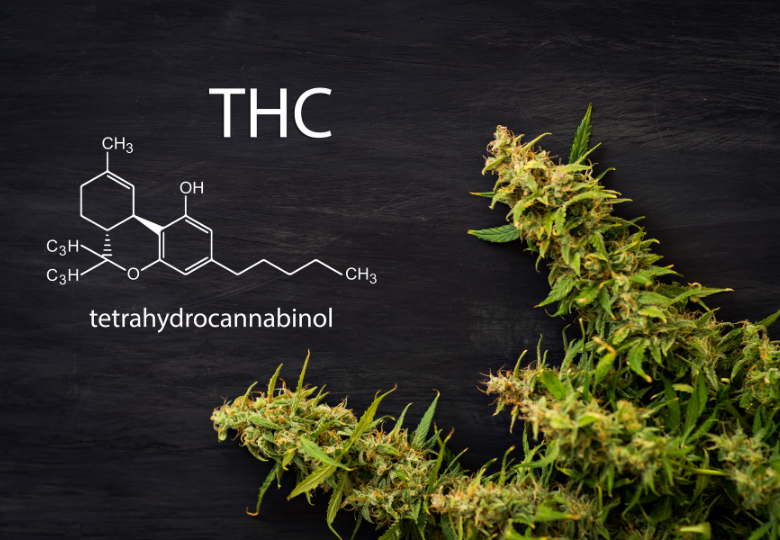
THC: What is it and what are its health advantages and disadvantages?
The concept of THC is certainly not new to you. It is one of the most well-known cannabinoids contained in cannabis . But do you know its health benefits and drawbacks? How does THC affect the human body and what can be its short and long term effect…
Read more ›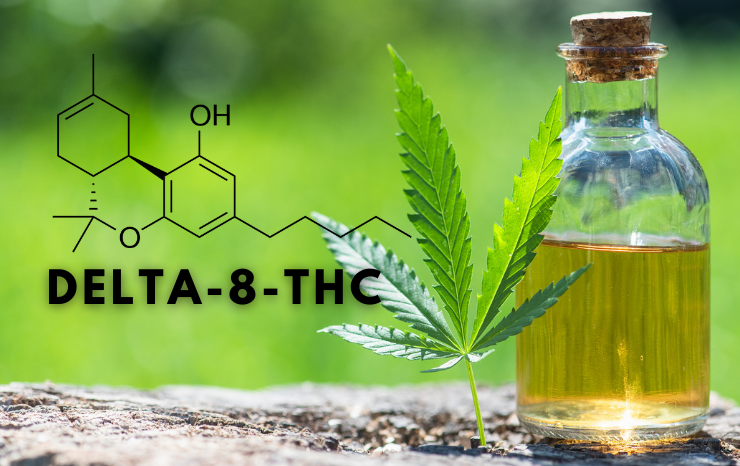
Delta-8: What is it and how does it work?
Have you heard from delta-8? It is one of the many cannabinoids found in cannabis. In this article, we will describe it in detail, so continue reading to learn more about the effects of this cannabinoid and how it differs from the two most well-known…
Read more ›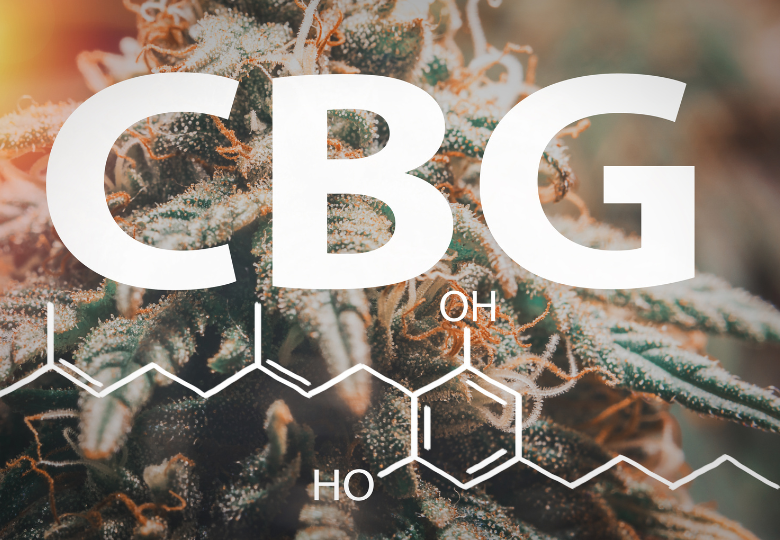
CBG: What is it and what are its effects?
Have you heard of CBG? It is one of the many cannabinoids found in the cannabis plant. Want to learn more about its medicinal effects
Read more ›