


 English (English)
 Deutsch (German)
 Čeština (Czech)
 Italiano (Italian)
 Hrvatski (Croatian)
 Română (Romanian)
 български език (Bulgarian)
 Magyar (Hungarian)
 Español (Spanish)
 Français (French)
 Nederlands (Dutch)
 Polski (Polish)
 Slovenčina (Slovak)
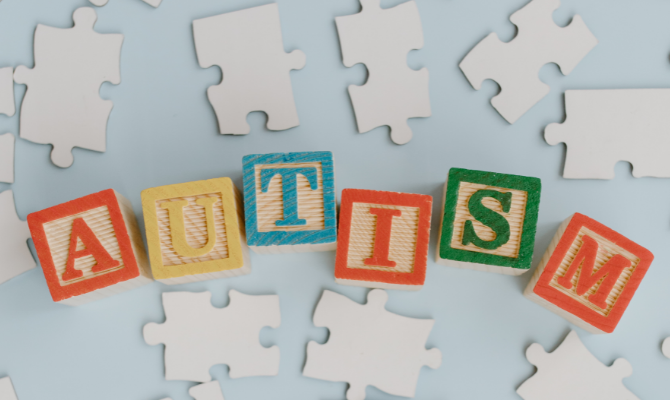



Many parents of children with autism often find themselves frustrated by the lack of effective therapeutic options. However, compounds derived from cannabis could represent new hope for improving the quality of life not only of children, but also of adults with autism spectrum disorders. Let's examine what current research tells us about this promising area of study.
Understanding Autism Spectrum Disorder
Autism spectrum disorder (ASD) represents a complex set of neurological conditions that affect brain development. As the term "spectrum" suggests, ASD affects individuals with very different intensity and in very different ways. Generally, a person with autism presents three main characteristics:
- Difficulties with verbal and non-verbal communication
- Challenges in social interactions
- Repetitive and often self-injurious behaviors
It's important to note that while some children with ASD may present cognitive delays, others demonstrate above-average intelligence and can excel in specific fields such as mathematics, music, or art. Furthermore, some symptoms may improve with age and appropriate intervention, while other individuals with autism may remain non-verbal and display self-injurious behaviors throughout their lives.
The Underlying Causes of Autism
Modern research has identified that autism can be traced back to alterations in early brain development. In recent years, numerous genetic mutations and rare genetic variations have been identified, many of which can act as catalysts for the development of autism. In other cases, autism appears to result from a complex interaction between environmental factors and genetic predispositions that influence neurodevelopment.
Other identified risk factors include:
- Advanced parental age at the time of conception
- Maternal illnesses during pregnancy
- Complications during pregnancy or childbirth, such as cerebral hypoxia
It's essential to understand that none of these factors alone causes autism, but in combination with a genetic predisposition they can increase the risk. Fortunately, promising research indicates that women can reduce the risk of autism in their children through a diet rich in folic acid and by taking prenatal vitamins before and during pregnancy.
Current Therapeutic Approaches and Their Limitations
Every child with autism is unique, and what works for one individual may not be effective for another. The most common approaches include behavioral therapies such as social skills training and parent-led sessions under therapeutic supervision. As children grow older, structured therapeutic activities, social and motor skills development, and communication training become more effective.
Surprisingly, very few medications have been approved specifically for autism. Currently, only two medications are approved to treat irritability associated with autism, but no drug has yet been approved to address the three core characteristics of autism: communication difficulties, social interaction problems, and repetitive behaviors.
The two currently approved medications are:
- Risperidone (Risperdal)
- Aripiprazole (Abilify)
While these medications can help with irritability and hyperactivity in autistic children, they also carry significant side effects, including rapid weight gain.
The Therapeutic Potential of Cannabis Compounds
A growing number of parents of autistic children, frustrated by the limited therapeutic options available, are exploring the potential of compounds derived from cannabis. Research in this field, although still in its early stages, is showing promising results.
Researchers at Ben Gurion University of the Negev (BGU) and the Soroka University Medical Centre documented that after six months of treatment, 80% of autistic patients reported significant improvements.
Behavioral Improvements through Cannabinoids
"We analyzed data collected from a therapeutic program conducted between 2015 and 2017, during which 188 patients with autism used cannabis-based preparations. The treatment was based mainly on oils containing 30% cannabidiol (CBD) and 1.5% tetrahydrocannabinol (THC). During these six months, significant changes in symptoms and side effects were observed, assessed through standardized questionnaires."
The study, published in Scientific Reports, revealed that after six months of treatment, 30% of patients experienced significant improvements, 53.7% reported moderate improvements, and only 15% reported minimal or no improvement.
"Cannabinoids offer the hope of normalizing social behavior in children with autism, boosting social activity and reducing disruptive behaviors."
Improvement in Quality of Life
Research has also focused on the overall benefits of using cannabis compounds in autism and on the general improvement in quality of life. Before the start of treatment, 31.3% of patients enjoyed a good quality of life. During the six-month study period, this percentage nearly doubled, reaching 66.8%. Furthermore, while before treatment about 42% of patients showed a positive mood, after six months this figure rose to 63.5%.
Important Considerations Regarding Risks and Limitations
Despite the promising results, the relationship between cannabis compounds and autism treatment still presents limited data. This is one of the reasons why these compounds have not yet achieved the same acceptance that they have reached, for example, in the treatment of epilepsy, where efficacy is better documented.
The main problem identified by experts is the lack of dosing specificity. Small doses could be beneficial, while high doses could be counterproductive. The situation is further complicated by the fact that every individual with autism is unique and may respond differently to treatments.
Genetic Profiles and Therapeutic Response
Research on cannabinoids such as CBD and THC is revealing how these compounds interact with the body's endocannabinoid system. This system, naturally present in our organism, appears to play an important role in regulating mood, social behavior, and communication - all areas that are impaired in autism.
Studies on terpene profiles and minor cannabinoids are also exploring how different combinations of these compounds could offer specific benefits. However, it's essential to emphasize that these remain collectible seeds and genetic material of scientific interest, and any therapeutic application must always be supervised by qualified medical professionals.
Ongoing research into these fascinating plant compounds offers hope for the future, but much more study is still needed before they can be considered standard treatments for autism spectrum disorders.