


 English (English)
 Deutsch (German)
 Čeština (Czech)
 Italiano (Italian)
 Hrvatski (Croatian)
 Română (Romanian)
 български език (Bulgarian)
 Magyar (Hungarian)
 Español (Spanish)
 Français (French)
 Nederlands (Dutch)
 Polski (Polish)
 Slovenčina (Slovak)
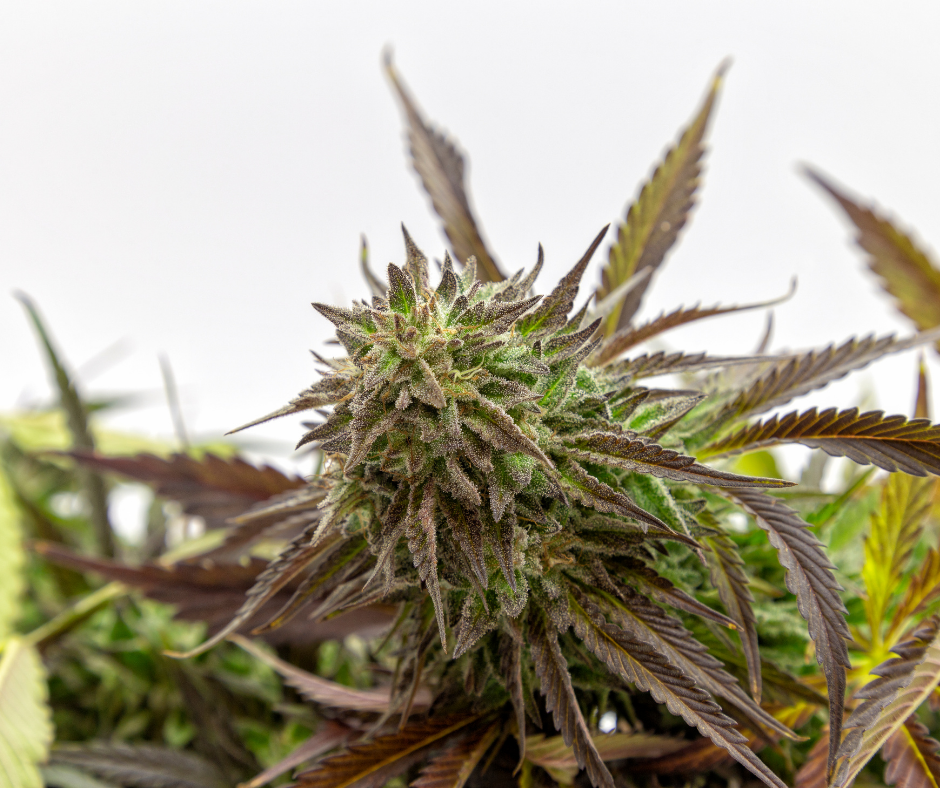



Hindu Kush represents one of the purest and most historic genetics in the world's cannabis heritage. This authentic indica variety traces its origins to the remote mountain ranges stretching between Pakistan and Afghanistan, regions where cannabis cultivation has millennia-old roots and has given rise to some of the most prized genetics in the world.
Origins and Genetic Characteristics of Hindu Kush
Hindu Kush collector seeds preserve the genetic heritage of one of the purest indica varieties in existence. This genetic line developed naturally under the extreme climatic conditions of the Hindu Kush mountains, where plants had to adapt to high altitudes, significant temperature swings, and short growing seasons.
The distinctive characteristics of this variety include a compact, sturdy structure typical of pure indica genetics. The flowers that develop from these genetics are particularly dense and coated with resinous crystals, a trait that has historically made this variety highly prized for producing traditional hashish in its regions of origin.
The cannabinoid composition of this genetic line typically features high THC levels, accompanied by a complex terpene profile that contributes to its distinctive properties. The predominant terpenes include myrcene, responsible for the earthy notes, and limonene, which adds fresher nuances to the aromatic bouquet.
Aromatic Profile and Terpene Composition
The aromatic profile of Hindu Kush is considered one of the most distinctive in the world of collector genetics. The aroma is sweetly delicate, with predominant notes reminiscent of sandalwood and earthy nuances reminiscent of clay.
This olfactory complexity stems from a rich, layered terpene profile. Myrcene contributes the earthy, musky notes that characterize this genetic line, while traces of pinene add subtle woody nuances. The presence of caryophyllene introduces spicy notes that round out the aromatic bouquet, creating the distinctive signature that makes this variety recognizable.
Collectors particularly appreciate how these seeds preserve the original aromatic characteristics, allowing them to preserve a genetic heritage that represents centuries of natural selection under the harsh mountain conditions of Central Asia.
Properties and Characteristics of the Genetics
In terms of properties, Hindu Kush is a genetic line known for its relaxing profile. This pure indica variety has historically been associated with deeply calming effects, a characteristic that stems from its particular chemical composition and the specific ratio between the various cannabinoids present.
Hindu Kush genetics are particularly valued by collectors interested in varieties with natural sedative properties. This characteristic has made this genetic line especially sought after in contexts where the relaxing and anti-stress properties of pure indica varieties are prized.
It is important to point out that these properties refer to the intrinsic characteristics of the genetic line itself, documented through analysis of the chemical composition and studies on the cannabinoid and terpene profiles present in this historic variety.
Historical Importance and Collector Value
Hindu Kush occupies a particularly prominent position in cannabis history. This genetic line represents one of the fundamental links in the evolutionary chain of modern varieties, having contributed to the development of numerous contemporary hybrid genetics.
For seed collectors, Hindu Kush represents a unique opportunity to preserve authentic, historic genetic material. These collector seeds retain the original characteristics developed over centuries of natural adaptation, offering a glimpse into the varieties that have shaped cannabis history.
The genetic purity of this variety makes it particularly interesting for botanical studies and for understanding the evolution of indica varieties. Researchers and plant genetics enthusiasts find these seeds to be valuable study material for understanding the mechanisms of environmental adaptation and natural selection.
Thanks to the free movement of goods within the European Union, these precious collector seeds are available to enthusiasts who wish to add this historic genetic line to their collection, thereby contributing to the preservation of a botanical heritage of inestimable cultural and scientific value.