


 English (English)
 Deutsch (German)
 Čeština (Czech)
 Italiano (Italian)
 Hrvatski (Croatian)
 Română (Romanian)
 български език (Bulgarian)
 Magyar (Hungarian)
 Español (Spanish)
 Français (French)
 Nederlands (Dutch)
 Polski (Polish)
 Slovenčina (Slovak)

Type: Cannabis sativa
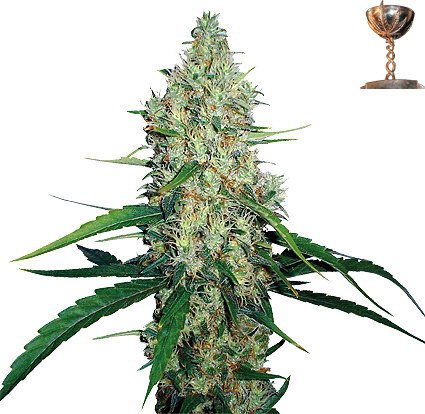
Hawaiian ranks among the most recognizable sativa-dominant genetics in the world of collectible cannabis seeds. This unique genetic line iss known for its tropical aromatic palette that evokes exotic fruits such as pineapple, mango and citrus fruit. Plants of Hawaiian genetics are characterized by light green flower coloration with moderate density, which makes this variety particularly attractive to collectors who appreciate the visual aesthetics of their samples.
Chemical profile of Hawaiian genetics
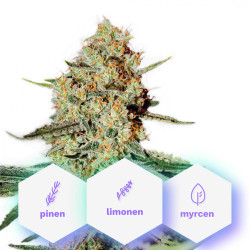
Hawaiian genetics stands out for its complex terpene profile which is responsible for its distinctive aromatic signature. Limonene dominates the terpene composition, which explains the intense citrus notes that are perceived when analyzing the aromatic profile. This terpene naturally occursin the peel of citrus fruit and is responsible for the fresh, energizing aroma.
Myrcene is also presentin significant amounts, contributing sweet tropical aromas that evoke ripe tropical fruit. The combination with pinene creates a complex aromatic bouquet that evokes a walks through atropical fruit plantation.
The cannabinoid profile of the Hawaiian variety traditionally shows a dominance of THC, while CBD levelss are usually lower. This genetic characteristic is typical of sativa-dominant lines originating from equatorial regions.
Properties and characteristics of the Hawaiian profile
Hawaiian genetics is known for its stimulating energetic profile which is attributed to its sativa ancestry. Collectors who study this genetics often note that varieties with Hawaiian lineage theoretically provide a feeling of elevated energy and creativity.
This genetic lineis particularly valued for its euphoric characteristics which manifest through a feeling of relaxed joy and positive mood. The Hawaiian profile traditionally is associated with daytime use due to its activating properties.
Therapeutic properties of the genetics
According to available research, Hawaiian genetics may possess the following properties:
- Anti-stress properties - terpenes such as limonene are known for their calming effects on the nervous system
- Stimulating creativity - sativa dominance oftenis associated with increased mental activity
- Supporting positive mood - the aromatic profile can positively influence overall mood
- Energizing effect - unlikeindica varieties, Hawaiian geneticsis known for its activating properties
Cultivation characteristics of Hawaiian genetics
For collectors interested in theoretical cultivation aspects, Hawaiian genetics represents a challenging but rewarding genetic line. Plants with this genetics typically reach a greater height which is characteristic of sativa varieties, with internodes that are somewhat longer than those of indica hybrids.
Flowering period of Hawaiian genetics typically lasts between 9-11 weeks, which is typical for sativa-dominant varieties. This longer flowering cycle results from adaptation to natural equatorial photoperiods.
Potential challenges in collecting
Collectors of Hawaiian seeds should be aware of certain aspects of this genetics:
- Dry mouth and eyes - a common characteristic of high THC genetics
- Sensitivity to overconsumption - some samples may show signs of paranoia or anxiety
- Possible dizziness - sometimes occursin more sensitive users
- Headache - rarely, but a possible side effect of excessive exposure
The place of Hawaiian genetics in the collector's world
Hawaiian genetics occupies a special place among collectible seeds due to its rich history and authentic tropical origin. Genetic purity of these lines makes them particularly valuable to collectors who focus on landrace varieties and original genetics.
This genetic line serves as a foundation for many modern hybrids that seek to retain the characteristic Hawaiian aromatic profile while improving cultivation characteristics or adapting the cannabinoid content to specific needs.
For professionals involved in genetic preservation, Hawaiian represents an important genetic material that carries authentic characteristics of tropical sativa varieties. These genetics preserve the natural diversity of the cannabis species and represent an invaluable resource for future research and development of new varieties.