


 English (English)
 Deutsch (German)
 Čeština (Czech)
 Italiano (Italian)
 Hrvatski (Croatian)
 Română (Romanian)
 български език (Bulgarian)
 Magyar (Hungarian)
 Español (Spanish)
 Français (French)
 Nederlands (Dutch)
 Polski (Polish)
 Slovenčina (Slovak)
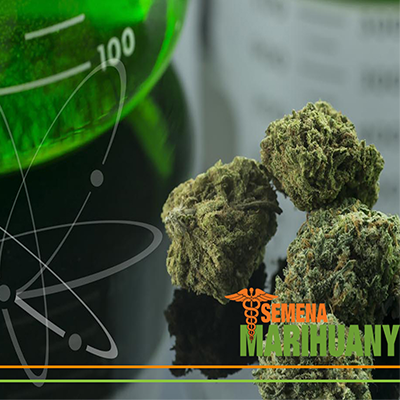



The world of cannabis genetics with high CBD profiles has sparked unprecedented scientific interest. As seed collectors, understanding the chemical composition of these varieties allows us to better appreciate the genetic value of each specimen in our collection.
Scientific Fundamentals of Cannabidiol in Cannabis Genetics
Cannabidiol (CBD) represents one of the most abundant cannabinoids in the genetic material of cannabis, positioning itself as the second most prevalent compound after tetrahydrocannabinol (THC). These two molecules, although structurally similar, present completely different pharmacological profiles that define the characteristics of each variety.
The fundamental difference lies in the fact that CBD-rich genetics do not possess psychoactive properties. This means that varieties with high levels of this cannabinoid offer a unique aromatic and chemical profile without the intoxicating effects associated with THC. This characteristic has turned these genetics into pieces especially valued by collectors.
Molecular Interactions in the Endocannabinoid System
To truly understand the value of seeds with CBD genetics, it is essential to know how these compounds interact at the molecular level. The endocannabinoid system has CB1 receptors, mainly located in the nervous system, which respond differently to each cannabinoid.
While THC binds directly to these receptors activating them, CBD acts as a negative allosteric modulator. This means that it does not directly activate the receptor, but rather modifies its ability to respond to other molecules, including THC itself.
Ratios and Proportions in Collectible Genetics
Experienced collectors know that the CBD:THC ratio completely defines the profile of a variety. Genetics with balanced ratios (1:1) present unique characteristics where both cannabinoids interact synergistically, while CBD-dominant varieties offer completely different profiles.
This interaction is not simply additive. CBD can attenuate certain effects of THC, such as anxiety or short-term memory problems, especially notable in genetics with high concentrations of the latter cannabinoid. Therefore, varieties with higher CBD content relative to THC tend to show softer and more controlled profiles.
Synergistic and Complementary Effects
Although CBD and THC have distinct mechanisms of action, they can produce similar physiological effects through different pathways. Both cannabinoids have analgesic and anti-inflammatory properties, but they operate through independent molecular mechanisms. This complementarity suggests that genetics combining both compounds could offer more complex and sophisticated profiles.
Balanced genetics represent some of the most interesting pieces for collectors, as they combine the best of both worlds: the aromatic complexity of THC with the stability and smoothness of CBD.
Genetic Variability and Phenotypic Expression
A fascinating aspect for collectors is that cannabinoid expression is not static. The same genetics can express different CBD concentrations depending on environmental factors, cultivation techniques, and the age of the mother plant from which the seeds were obtained.
This natural variability makes each batch of seeds unique, even within the same genetic variety. Scientific studies have shown that factors such as temperature, humidity, photoperiod, and nutrition can significantly influence the final production of cannabinoids.
Phenotypes and Cannabinoid Expression
The search for the perfect phenotype is a common passion among collectors. Some plants can express CBD:THC ratios of 20:1, while others from the same genetics could show proportions of 5:1. This phenotypic diversity is what makes seed collection so exciting and scientifically relevant.
Terpene profiles also vary considerably between phenotypes, adding another dimension of complexity. Terpenes such as myrcene, limonene, and linalool interact with cannabinoids creating what is known as the "entourage effect," where the whole is greater than the sum of its parts.
Scientific Perspectives and Future Research
Current research suggests that there is no "universal dose" of CBD, but rather that effectiveness depends on multiple individual factors. This scientific reality translates into different genetics being appropriate for different collector profiles and their specific research needs.
The most recent studies indicate that the endocannabinoid system changes throughout life, which means that preferences for certain genetics can also evolve. This temporal perspective adds a fascinating longitudinal dimension to seed collecting.
Dosage and Scientific Methodology
In the context of research with genetic material, it is important to understand that the dose-response curves of CBD are not linear. Doubling the concentration does not necessarily double the effect; in fact, it can produce completely different or even opposite results.
This unique pharmacological characteristic makes CBD-rich genetics especially valuable for research, as they offer wide therapeutic windows and favorable safety profiles. For collectors, this translates into varieties with greater stability and predictability in their expression.
Current scientific understanding teaches us that the true value of a CBD genetics lies not only in its absolute concentration of cannabinoids, but in the complexity of its molecular interactions and its potential to express unique and valuable phenotypes.