


 English (English)
 Deutsch (German)
 Čeština (Czech)
 Italiano (Italian)
 Hrvatski (Croatian)
 Română (Romanian)
 български език (Bulgarian)
 Magyar (Hungarian)
 Español (Spanish)
 Français (French)
 Nederlands (Dutch)
 Polski (Polish)
 Slovenčina (Slovak)

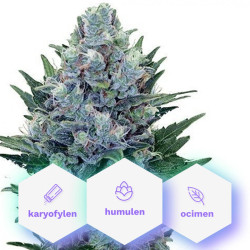
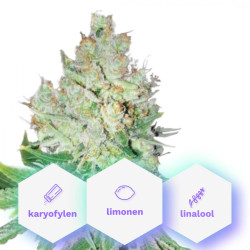

The relationship between cannabis genetics and mental health is one of the most fascinating and at the same time most controversial topics in modern research. For cannabis seed collectors, understanding the aroma profiles and the chemical composition becomes essential in order to appreciate the genetic diversity of these unique strains.
The Complexity of Researching Cannabis Genetics
Research into the possible effects of cannabis genetics on mental states faces considerable methodological challenges. Unlike standardized pharmaceutical substances, the genetic material of cannabis exhibits an extraordinary diversity of chemical profiles, each with distinctive properties.
Researchers in this field emphasize that this is not a single, uniform substance, but rather hundreds of strains with different cannabinoid compositions. This genetic diversity makes any generalization problematic from a scientific point of view.
Zach Walsh, a specialist in researching the connections between the chemical profiles of cannabis and behavioral aspects, has spent many years documenting the genetic variations and their distinctive properties. His work underscores the need for a differentiated approach when understanding this complex genetic material.
The Diversity of Bioactive Compounds
Cannabis genetics contain more than 100 identified cannabinoids, each with its own molecular properties. THC (tetrahydrocannabinol) and CBD (cannabidiol) are the most well-known, but the presence of terpenes and flavonoids adds additional layers of chemical complexity.
Terpenes such as myrcene, limonene, and pinene not only contribute to the distinctive aroma profiles of the various genetics, but can also influence how the cannabinoids interact within the biological system. This synergy, known as the "entourage effect," is a rapidly developing area of research.
Findings from Israeli Research
Israel has positioned itself as a global pioneer in cannabis research, offering the necessary regulatory environment for in-depth studies. Shauli Lev-Ran, a psychiatrist specializing in addiction disorders from Tel Aviv, has made significant contributions to understanding the statistical associations between the use of cannabis genetics and various mental states.
In 2013, his extensive study, conducted in collaboration with the Centre for Addiction and Mental Health (CAMH) in Toronto, analyzed data from more than 43,000 individuals. This large-scale epidemiological investigation brought interesting statistical associations to light, although causality remains an open question.
The results showed that individuals with a diagnosed mental disorder are seven times more likely to frequently use cannabis genetics compared to the general population. This statistic raises fundamental questions about the nature of this association.
Challenges in Dosage Standardization
One of the greatest difficulties in researching cannabis genetics lies in the lack of standardized dosage. Unlike alcohol, whose concentration can be measured precisely, cannabis strains exhibit extremely variable concentrations of active compounds.
A genetics with a high THC profile can exhibit a concentration between 20-30%, while CBD-rich strains can show reversed ratios of these cannabinoids. This variability makes scientific comparisons extremely complex and requires very specific research protocols.
Individual Experiences and Testimonials
The photographer and activist from Toronto, Andy Lee, is an example of how social perceptions influence medical discussions. After conventional therapies did not bring the desired results in the treatment of depression and anxiety, Lee explored alternatives, including certain cannabis strains with distinctive chemical profiles.
His experience illustrates the challenges patients face when speaking with medical professionals about the use of cannabis genetics. The stigma associated with this genetic material can limit open and informed conversations between doctors and patients.
Lee emphasizes the importance of a balanced approach: "It is a plant with therapeutic properties, but should not be used as a cure-all." His comparison with antibiotics illustrates the concept of tolerance and the need for conscious use.
The Case of Claire Gabereau - The Complexity of Dependence
The costume designer from Vancouver, Claire Gabereau, offers a different perspective on the relationship between cannabis genetics and mental health. She was diagnosed with depression and borderline personality disorder, and her experience illustrates the complexity of these interactions.
Her case shows that long-term use can lead to the development of dependence, even in the context of initially perceived benefits. After three months of abstinence, Gabereau observed an improvement in her depressive and anxious symptoms, suggesting that the cause-and-effect relationship may be more complex than initially assumed.
Importance for Genetics Collectors
For cannabis genetics enthusiasts, these research findings offer valuable insight into the diversity and complexity of their collectible material. Understanding the cannabinoid and terpene profiles can enrich appreciation for the uniqueness of each strain.
Informed collectors recognize that each genetics represents the result of careful selection with distinctive aromatic and chemical properties. This genetic diversity forms the foundation of a valuable and well-informed collection.
The ongoing research in this field promises to uncover even more nuanced aspects of these fascinating genetics, providing collectors with an even deeper appreciation for the complexity and diversity of the genetic material they preserve.
The central conclusion remains that cannabis genetics represent a complex field of research that requires rigorous scientific approaches and a differentiated understanding of their chemical and genetic variability. For collectors, this complexity only underscores the value and uniqueness of each individual strain in their collection.