


 English (English)
 Deutsch (German)
 Čeština (Czech)
 Italiano (Italian)
 Hrvatski (Croatian)
 Română (Romanian)
 български език (Bulgarian)
 Magyar (Hungarian)
 Español (Spanish)
 Français (French)
 Nederlands (Dutch)
 Polski (Polish)
 Slovenčina (Slovak)
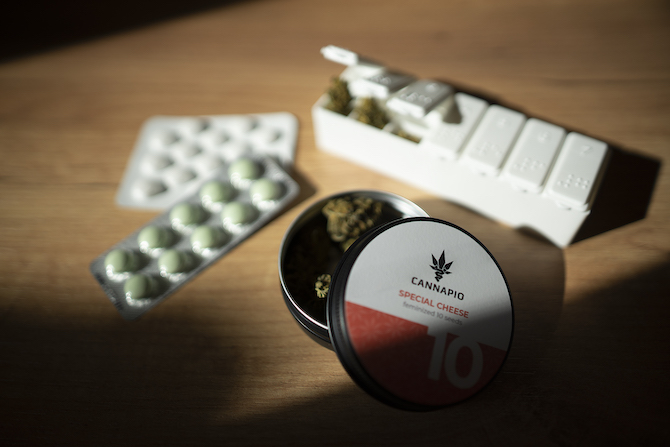

Are there interactions between cannabis and prescription medications? Can cannabis products be safely combined with antidepressants? In today's article, you will learn about the potential risks of drug interactions with cannabis, what to watch out for, and when it is appropriate to consult with a doctor.
In the world of cannabis seed collectors, understanding genetic profiles and chemical compounds is becoming increasingly important. When we talk about cannabis genetics and its potential interactions with prescription medications, especially antidepressants, it is essential to approach the subject from a scientific and educational perspective.
Cannabis Genetic Profiles and Chemical Composition
Collectible cannabis seeds contain fascinating genetic information about cannabinoid and terpene profiles. These natural compounds define the aromatic characteristics and properties of each variety. THC (tetrahydrocannabinol) and CBD (cannabidiol) are the main cannabinoids studied in scientific research.
Modern cannabis genetics displays a diverse range of chemical profiles. Some varieties are known for high THC concentrations, while others stand out for their high CBD content and complex terpene profiles. These differences in genetic composition are essential for collectors who want to understand the diversity of this remarkable plant.
Scientific Research and Knowledge Gaps
Studying the available scientific literature, we observe that research on cannabinoid-medication interactions is still in its early stages. Major academic databases offer limited information about these complex interactions.
The University of Connecticut study, Psychotropic Medications and Substances of Abuse Interactions in Youth, offers valuable insight into this field. Researchers found that interactions between psychoactive compounds and psychotropic medications are not always as problematic as one might initially think.
Challenges of Scientific Evaluation
One of the main challenges in understanding these interactions is the complexity of the human endocannabinoid system. CB1 and CB2 receptors, together with the enzymes responsible for cannabinoid metabolism, create a sophisticated biological system that interacts with numerous other compounds.
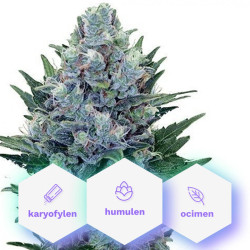
Terpenes, the aromatic compounds found in cannabis genetic profiles, add another layer of complexity. Myrcene, limonene, pinene, and linalool are just a few of the terpenes that can influence how the body processes various substances.
Categories of Antidepressant Medications and Considerations
For collectors interested in the scientific aspects, it is useful to understand how the different categories of antidepressant medications work and why certain cannabis genetic profiles might warrant special consideration.
1. SSRIs - Selective Serotonin Reuptake Inhibitors
Examples: Fluoxetine, Paroxetine, Sertraline, Citalopram, Escitalopram
This category of medications works by modulating serotonin levels in the brain. Cannabis genetics with high THC content could theoretically interfere with these mechanisms, although research is still limited. Some studies suggest that certain genetic profiles might influence the response to these medications.
Potential level of scientific concern: moderate
2. SNRIs - Serotonin and Norepinephrine Reuptake Inhibitors
Examples: Duloxetine, Venlafaxine
These newer medications affect both serotonin and norepinephrine. Complex cannabis genetic profiles could theoretically interact with these neurotransmitter systems, although clinical data are limited.
Potential level of scientific concern: moderate
3. NDRIs - Norepinephrine and Dopamine Reuptake Inhibitors
Examples: Bupropion
This unique class of medications acts on dopaminergic and noradrenergic pathways. Given that THC from certain cannabis genetic profiles can influence the dopaminergic system, this aspect deserves attention from a research perspective.
Potential level of scientific concern: moderate
4. MAOIs - Monoamine Oxidase Inhibitors
Examples: Tranylcypromine, Phenelzine, Isocarboxazid
This is perhaps the most complex category in terms of potential interactions. MAOIs affect the metabolism of several neurotransmitters and have a known profile of interactions with various natural and synthetic substances. Although there are no specific studies on interaction with cannabinoids, scientific caution suggests extra care.
Potential level of scientific concern: high
5. Tricyclic Antidepressants
Examples: Imipramine, Amitriptyline, Doxepin
This older generation of medications has more complex mechanisms of action and a broader profile of effects on the nervous system. Research on interactions with compounds from cannabis genetic profiles remains limited.
Potential level of scientific concern: moderate to high
6. Atypical Medications
Examples: Mirtazapine, Trazodone
These medications have unique mechanisms of action and distinct pharmacological profiles. Potential interactions with the cannabinoids and terpenes from different genetic varieties remain a developing area of research.
Potential level of scientific concern: moderate
The Educated Collector's Perspective
For cannabis genetics enthusiasts, understanding these scientific aspects offers a deeper perspective on the biological complexity of the plant. Each variety in a collection represents a unique combination of chemical compounds with potentially distinct properties.
Experienced collectors appreciate not only genetic diversity but also the scientific implications of these differences. Studying terpene profiles, cannabinoid ratios, and aromatic characteristics becomes a fascinating journey into the world of plant biochemistry.
The Importance of Specialist Consultation
Any discussion of drug interactions requires consulting a qualified medical specialist. This article serves purely educational purposes for collectors and cannabis genetics enthusiasts. The information presented does not constitute medical advice and does not replace consultation with a healthcare professional.
Research in this field continues to evolve, and our understanding of these complex interactions is constantly improving. For collectors passionate about science, following developments in this field offers fascinating insight into the potential of this remarkable plant.