


 English (English)
 Deutsch (German)
 Čeština (Czech)
 Italiano (Italian)
 Hrvatski (Croatian)
 Română (Romanian)
 български език (Bulgarian)
 Magyar (Hungarian)
 Español (Spanish)
 Français (French)
 Nederlands (Dutch)
 Polski (Polish)
 Slovenčina (Slovak)


The scientific community continues to uncover fascinating properties of cannabis genetic material. During 2017, various studies delved into complex aspects of these genetics, exploring everything from specific therapeutic profiles to molecular characteristics that define each variety. As cannabis seed collectors, it is essential to understand the science behind these extraordinary genetics.
Research not only focused on individual cannabinoids like CBD, but also examined the full spectrum of compounds present in different strains. These studies reveal how certain genetics developed unique aromatic and chemical profiles throughout their evolution, creating varieties with distinctive characteristics that fascinate collectors around the world.
Cannabis and Its Potential Against Opioid Dependence
Sources: International Journal of Drug Policy, April 2017; PLoS One, November 2017
The opioid crisis represents one of the most serious health challenges worldwide. Each year, both cases of dependence and deaths from overdose increase. In the United States, this problem reached such magnitude that it was declared a "national emergency." However, 2017 research suggests that certain cannabis genetics possess particularly interesting chemical profiles in this context.
Genetic Profiles and Therapeutic Substitution
State-level studies demonstrated notable correlations: in regions where medical cannabis is available, opioid overdose statistics show significant declines. A Canadian study analyzed 217 patients seeking alternatives for chronic pain, anxiety, and depression.
"84% of patients who incorporated medical cannabis into their treatment considerably reduced their use of opioid analgesics"
The results were revealing: 63% of these patients managed to substitute pharmaceutical medications with cannabis. Among those suffering from chronic pain, 30% made the complete switch. Interestingly, the primary motivation was not greater analgesic efficacy, but concerns about dangerous side effects of opioids.
Researchers at the University of New Mexico specifically evaluated cannabis's substitution capacity in patients already dependent on opioids, focusing on cases of chronic lower back pain. The results were extraordinary: 84% of those who received cannabis prescriptions significantly reduced their opioid consumption, while 41% eliminated them completely.
Additionally, these patients showed improvements in socialization, daily activities, and concentration ability, without serious adverse effects. These findings establish solid foundations regarding the advantages of cannabis as a therapeutic complement or substitute for opioids.
Low-Dose THC and Brain Aging
Source: Nature Medicine, June 2017
Brain aging entails the deterioration of the endocannabinoid system, especially notable in the reduction of CB1 receptors and their functional efficiency. Recent research suggests that this decline correlates directly with cognitive decline in older people.
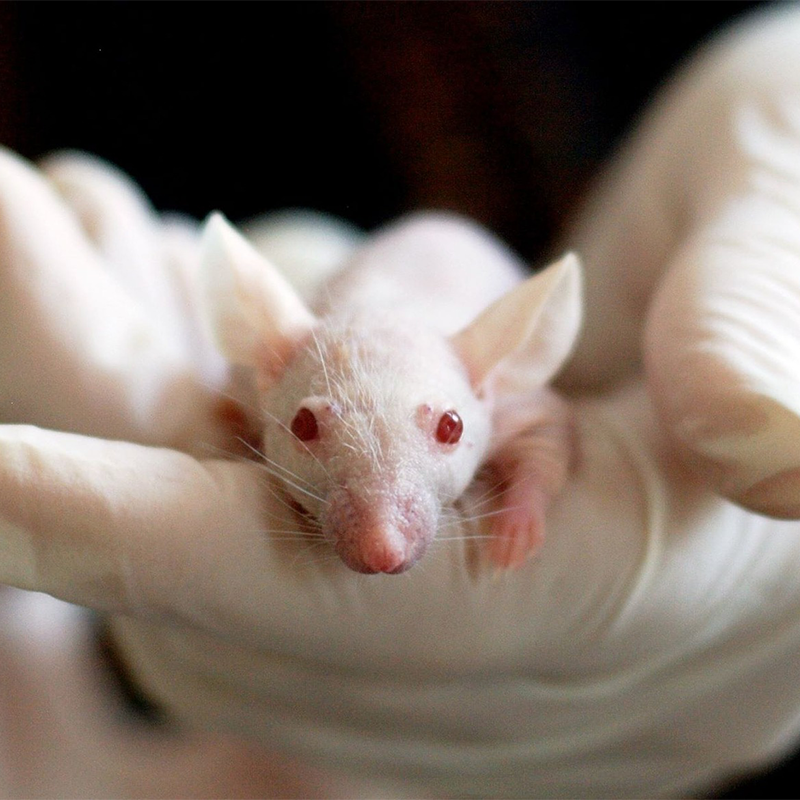
A German team conducted experiments administering minimal doses of THC to aged mice for 28 days. Subsequently, they subjected these animals to tests of learning, cognitive flexibility, and memory, areas where typically older specimens show deterioration.
Differential Effects by Age
The results revealed fascinating patterns:
- Young mice: their cognitive abilities were negatively affected by THC
- Aged mice: after receiving THC, their performance matched that of untreated young mice
- Conclusion: THC disrupts youthful cognition but enhances brain function in elderly individuals
This positive effect is associated with improvements at the cellular level in the brain. During aging, neuronal communication and connectivity decrease. The greatest success was observed in the hippocampus, a crucial region for regulating anxiety, stress, and memory. Aged mice treated with THC developed brain connections similar to those of young specimens.
The main mechanism involves the genetic expression of cellular proteins, which changes with age toward "aged" patterns. Low doses of THC appear to reverse these expressions in older mice, promoting "youthful" genetic patterns.
These studies demonstrate the complexity of cannabinoids and their variable effects depending on factors such as age. While much research focuses on the potential risks of THC, this research confirms potentially beneficial effects against brain aging.
Cannabis and Parkinson's Symptoms
Source: Clinical Neuropharmacology, November 2017
Although there is no evidence that cannabis completely cures Parkinson's, preliminary data indicate that certain cannabis genetics possess chemical profiles capable of significantly alleviating the devastating symptoms of this disease.
Parkinson's is characterized by cognitive problems, motor deterioration, tremors, muscle rigidity, and balance difficulties. Traditional pharmaceutical treatments frequently produce severe side effects, including involuntary movements (dyskinesia) that can be more problematic than the original symptoms.
Cannabis Profiles and Symptomatology
The 2017 research examined how different profiles of cannabinoids and terpenes present in specific genetics interact with Parkinsonian symptoms. Observational studies showed notable improvements in:
- Reduction of tremors and muscle rigidity
- Improvement in sleep quality
- Decrease in episodes of motor "freezing"
- Reduction of pain associated with rigidity
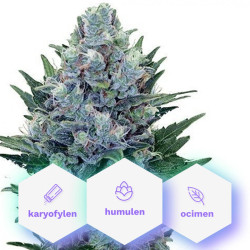
Particularly interesting is how certain terpene profiles complement the action of specific cannabinoids. Genetics rich in myrcene and limonene showed especially promising properties for muscle relaxation and mood improvement.
As collectors of feminized seeds, it is fascinating to observe how the genetic diversity of cannabis continues to reveal new properties. Each variety represents a unique chemical profile, the result of millennia of evolution and selection, creating a spectrum of aromas, flavors, and molecular characteristics that makes each seed a valuable piece for any serious collection.
These scientific advances from 2017 demonstrate that we are only beginning to understand the genetic complexity of cannabis. Each study reveals new facets of these extraordinary plants, validating the passion of collectors who preserve this incredible genetic diversity for future generations.