


 English (English)
 Deutsch (German)
 Čeština (Czech)
 Italiano (Italian)
 Hrvatski (Croatian)
 Română (Romanian)
 български език (Bulgarian)
 Magyar (Hungarian)
 Español (Spanish)
 Français (French)
 Nederlands (Dutch)
 Polski (Polish)
 Slovenčina (Slovak)
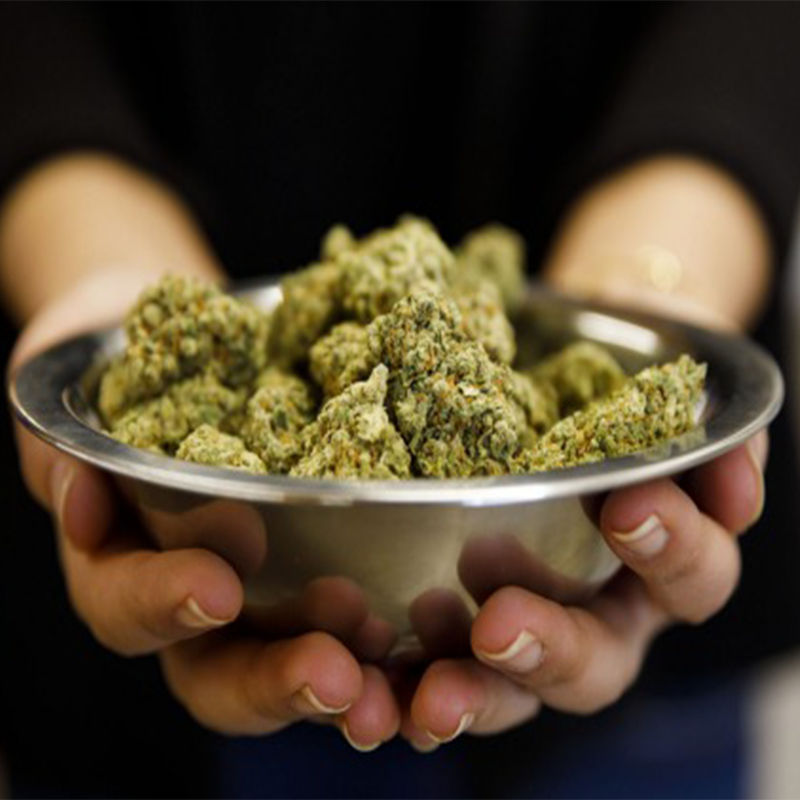



Cannabis genetic material hides fascinating properties that continue to surprise the scientific community. Recent studies suggest that certain chemical profiles of these genetics may have protective characteristics for the liver against alcohol-induced damage.
In this detailed analysis, we explore cutting-edge research examining the complex relationship between alcohol consumption and the specific properties of cannabis genetic material, with a focus on the terpene profiles and cannabinoids that confer these remarkable protective characteristics.
The mechanism of alcohol-induced liver damage
Prolonged consumption of excessive amounts of alcohol causes persistent inflammation that leads to progressive liver damage. Alcohol attacks liver cells directly, triggering a complex inflammatory cascade. At the same time, alcohol compromises the integrity of the intestinal barrier, allowing inflammatory cells to migrate through the digestive system into the liver, amplifying the inflammatory processes.
Alcohol disrupts the balance of gut microorganisms, causing the release of toxins into the bloodstream. The liver, in trying to neutralize these toxins, undergoes additional inflammatory processes that contribute to liver tissue damage.
The progression of these pathological processes follows a distinct pattern:
- Hepatic steatosis: Excessive accumulation of fat in liver cells, also known as "fatty liver," represents the first stage of damage. This condition results from the disruption of the liver's normal metabolic functions.
- Alcoholic hepatitis: The surplus of fat cells generates intense cellular stress, perpetuating inflammation even in the absence of alcohol in the body. This phase marks the transition to chronic damage.
- Liver cirrhosis: Prolonged inflammation causes irreversible damage to liver tissue. Healthy cells are replaced by non-functional scar tissue, severely compromising the liver's functional capacity.
- Hepatocellular carcinoma: Chronic inflammation, present for years or decades, escalates the risk of developing liver cancer, a potentially fatal complication of alcoholic liver damage.
The protective properties of cannabis genetics
An extensive study conducted on 320,000 participants with alcohol use disorders revealed that certain components of cannabis genetic material show remarkable protective characteristics against alcoholic liver damage.
The results showed that people who showed signs of alcohol abuse (as opposed to dependence) benefited from the highest degree of protection. Researchers observed that frequency of use did not significantly influence the degree of protection - both occasional and regular use offered similar benefits against all four stages of liver damage.
The specific findings include impressive reductions in:
- 45% decrease in alcoholic steatosis (fatty liver)
- 40% decrease in alcoholic hepatitis (liver inflammation)
- 55% decrease in alcoholic cirrhosis (liver scarring)
- 75% decrease in hepatocellular carcinoma (liver cancer)
Remarkably, people who used the largest amounts showed the most pronounced signs of liver protection, suggesting a dose-response relationship regarding the protective effects.
The molecular mechanisms of protection
The active components in cannabis genetic material, especially cannabinoids and terpenes, demonstrate powerful anti-inflammatory properties that counteract the destructive processes initiated by alcohol. These compounds interact with the body's endocannabinoid system, modulating inflammatory responses and protecting the integrity of liver cells.
The terpene profiles specific to certain genetics contribute to these protective effects through complementary mechanisms. Terpenes such as myrcene, limonene, and beta-caryophyllene show documented anti-inflammatory properties that support optimal liver function.
Cannabinoids, including CBD and other minor compounds, interact with CB1 and CB2 receptors, regulating inflammatory processes at the cellular level and helping to maintain liver homeostasis.
Implications for cannabis seed collectors
These findings offer a fascinating perspective on the genetic complexity of cannabis seeds for collection. Collectors passionate about the diverse chemical profiles of different genetics can more deeply appreciate the variety of active components and their theoretical therapeutic potential.
Genetics with rich cannabinoid and terpene profiles represent particularly valuable specimens for collections, not only from the perspective of genetic diversity, but also as study material for understanding the complex molecular mechanisms of these compounds.
Considerations for collectors
When evaluating genetic material for a collection, specialists should consider:
- Diversity of terpene profiles: Genetics with complex aromatic profiles indicate the presence of a varied range of terpenes with distinct properties
- Cannabinoid potential: Seeds with stable genetics for the production of diverse cannabinoids offer valuable study material
- Genetic stability: Specimens with clear heritage and consistent characteristics are essential for serious scientific collections
Limitations and future considerations
Although the results are promising, researchers note that the protective effects appear to be limited in cases of severe alcohol dependence. In people with extreme dependence who consume massive amounts of alcohol over extended periods, the protective properties of cannabis components appear to be overwhelmed by the severity of alcoholic damage.
Future studies will need to elucidate the precise mechanisms by which 90% of hepatocellular carcinomas derived from cirrhosis could be prevented through modulation of inflammation. Understanding these molecular pathways will enable the development of more effective prevention strategies.
Further research is needed to determine whether cannabis components exert direct anti-cancer effects on malignant liver cells, independent of their ability to prevent cirrhosis. This distinction is crucial for a full understanding of the therapeutic potential of these fascinating genetics.
For collectors of cannabis genetic material, these findings underscore the importance of preserving genetic diversity and meticulously documenting the chemical profiles of each specimen in the collection.