


 English (English)
 Deutsch (German)
 Čeština (Czech)
 Italiano (Italian)
 Hrvatski (Croatian)
 Română (Romanian)
 български език (Bulgarian)
 Magyar (Hungarian)
 Español (Spanish)
 Français (French)
 Nederlands (Dutch)
 Polski (Polish)
 Slovenčina (Slovak)



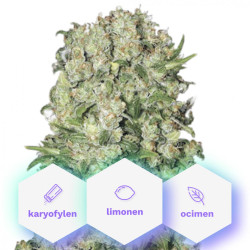
Synthetic cannabis, known by brand names such as K2 or Spice, is one of the most dangerous substances currently on the market. Despite the misleading name, these products have no relation to the natural cannabis genetics that collectors value for their complex, balanced chemical profiles.
What Synthetic Cannabinoids Really Are
While natural cannabis has a rich and complex chemical profile with over 100 different cannabinoids, hundreds of terpenes, and numerous flavonoids working in synergy, synthetic cannabinoids are artificial molecules created in a laboratory. These chemicals are usually sprayed onto dried plant material to mimic the appearance of cannabis, but their composition is completely different.
Dr. John W. Huffman, the Clemson University chemist who first synthesized these compounds, developed them exclusively for scientific research purposes. His intention was to study the human endocannabinoid system, not to create a substance for consumption. Huffman himself has expressed concern about the misuse of his discoveries.
Fundamental Differences in Chemical Composition
Natural cannabis genetics contain a natural balance of active compounds. The main cannabinoids such as THC, CBD, CBG, and CBN work together with terpenes such as myrcene, limonene, and pinene, creating what experts call the "entourage effect". This complex chemical profile is what makes each variety unique in terms of aroma and properties.
By contrast, synthetic cannabinoids are isolated, extremely potent molecules that act on the brain's cannabinoid receptors with an intensity 2 to 100 times greater than natural THC. This extreme potency, combined with the absence of the other modulating compounds present in natural cannabis, creates unpredictable and often dangerous effects.
The Hidden Risks of Synthetic Products
The danger of K2 and Spice mainly stems from their variable, undisclosed composition. Each batch can contain different chemicals, with concentrations that vary enormously. This makes it impossible to predict the effects and poses a serious risk for anyone who comes into contact with them.
Documented Acute Effects
Hospitals around the world have reported cases of people who, after using synthetic cannabis, experienced:
- Prolonged psychotic episodes that can last days or weeks
- Convulsions and seizures, even in people with no history of epilepsy
- Severe cardiac arrhythmias and dangerous hypertension
- Hyperthermia (dangerously high body temperature)
- Acute kidney failure and liver problems
Long-Term Consequences
Research has shown that repeated exposure to synthetic cannabinoids can cause permanent neurological damage. Studies conducted on animal models have revealed structural changes in the brain, while human clinical cases show a correlation with the development of persistent psychiatric disorders.
The Deceptive Marketing of Synthetic Products
One of the most dangerous strategies used by synthetic cannabis producers is deceptive marketing. These products are often sold as "incense", "potpourri", or "aromatic blends" with labels that read "not for human consumption". This strategy allows them to evade many drug and controlled substance regulations.
The relatively low price of these products makes them particularly attractive to young people. In the United States, a 3-gram package can cost between 30 and 40 dollars, a fraction of the cost of quality cannabis or legal derived products.
The False Perception of Safety
Many consumers mistakenly believe that, because these products are legally available, they must be safe. This perception is fueled by colorful packaging and catchy names that conceal the true chemical nature of the contents. Brand names like "Spice Gold", "Black Mamba", or "Crazy Clown" are designed to attract attention and minimize the perception of risk.
Why Natural Genetics Are Different
The natural cannabis varieties that collectors study and preserve represent millennia of evolution and selection. Each genetic line has a unique cannabinoid and terpene profile that determines not only aroma and flavor, but also the specific characteristics of the variety.
Varieties rich in CBD show completely different profiles from those with high THC content, while autoflowering genetics have developed flowering mechanisms independent of the photoperiod. This genetic diversity is the result of natural processes that cannot be replicated in a laboratory.
The Importance of Traceability
Unlike synthetic products, certified cannabis genetics offer complete traceability. Collectors can know exactly the genetic composition, the parent lines used in the crosses, and the expected characteristics. This transparency is essential for research and for preserving genetic heritage.
Prevention and Education
The fight against the spread of synthetic cannabinoids relies on education and accurate information. It is essential that the public, especially young people, understand the substantial differences between these dangerous chemical products and natural cannabis.
Educators and parents should be aware that a product's legal availability does not guarantee its safety. Synthetic cannabis is a perfect example of how legality does not equal safety.
Recognizing the Warning Signs
It is important to be able to recognize the symptoms of synthetic cannabinoid intoxication, which include:
- Extreme agitation and aggressive behavior
- Vivid hallucinations and loss of touch with reality
- Persistent nausea and vomiting
- Uncontrollable tremors and muscle spasms
- Difficulty breathing and chest pain
If these symptoms occur, it is essential to seek medical help immediately.
The Future of Cannabinoid Research
While synthetic cannabinoids pose a danger to public health, legitimate research into cannabis's natural compounds continues to offer interesting prospects. Scientists are studying how the various cannabinoids and terpenes interact with each other and how these interactions could be used in medicine.
An ever-deeper understanding of the endocannabinoid system and how it works is opening new avenues for developing innovative, safe therapies based on natural compounds rather than potentially dangerous synthetic molecules.
For collectors and cannabis genetics enthusiasts, this represents a unique opportunity to contribute to the preservation and study of varieties that could prove valuable for future research, while always maintaining a responsible approach that respects current regulations.