


 English (English)
 Deutsch (German)
 Čeština (Czech)
 Italiano (Italian)
 Hrvatski (Croatian)
 Română (Romanian)
 български език (Bulgarian)
 Magyar (Hungarian)
 Español (Spanish)
 Français (French)
 Nederlands (Dutch)
 Polski (Polish)
 Slovenčina (Slovak)
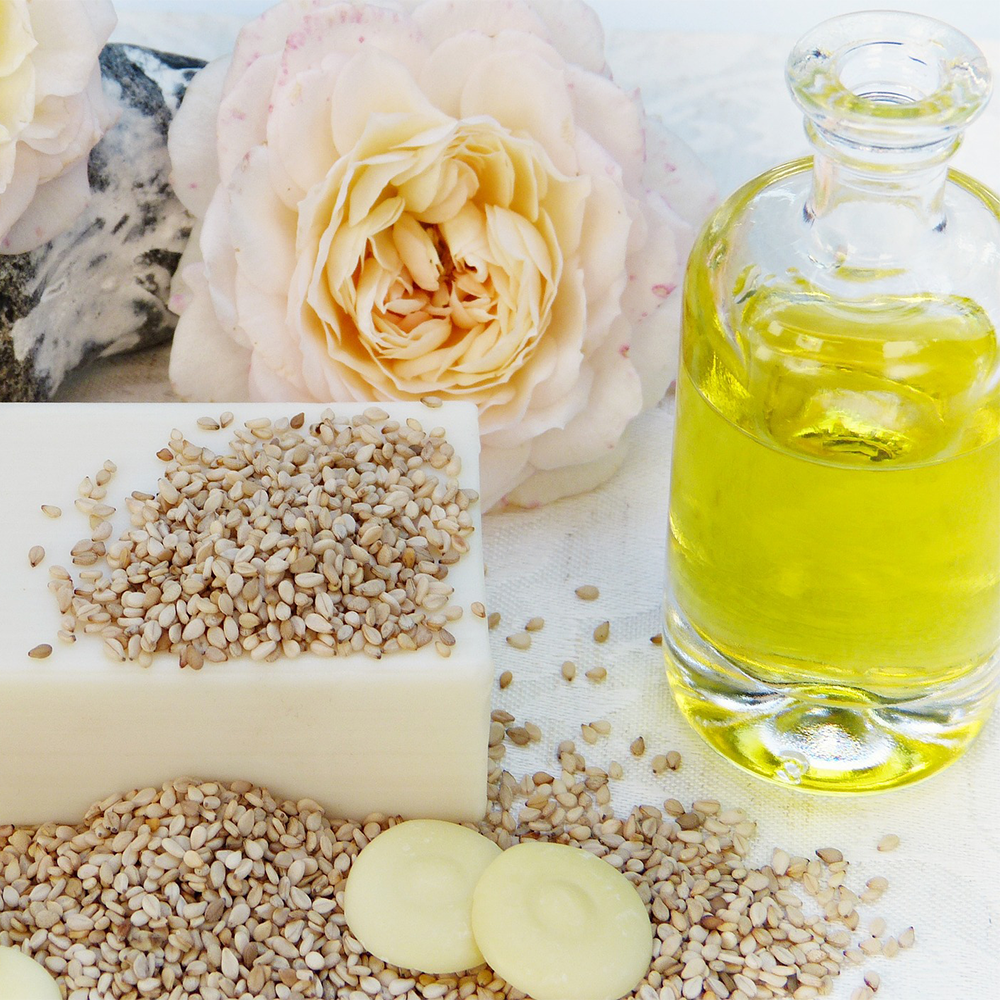


The world of cannabinoids has sparked a revolution in the cosmetics industry. What was once considered a niche interest has developed into a scientifically grounded approach to skincare. CBD oil and other cannabis-related compounds are being studied intensively to understand their unique properties as collector genetics.
Since the scientific breakthroughs in cannabinoid research, cannabis collector seeds have become interesting not only for their genetic diversity, but also for understanding their chemical composition. These natural extracts contain complex molecular structures with fascinating properties.
Cannabinoids as antioxidants – scientific findings
A groundbreaking study by the US National Academy of Sciences from 1998 revealed surprising results: cannabidiol (CBD) shows stronger antioxidant properties than conventional vitamins C and E. This discovery has made interest in cannabis collector genetics grow exponentially.
Molecular mechanisms of cannabinoids
The antioxidant effect of cannabinoids is based on their unique molecular structure. These compounds, which come from specific collector genetics, display the following:
- Phenolic properties – natural protection against oxidative stress
- Terpene profile – aromatic compounds with therapeutic potential
- Cannabinoid spectrum – various molecular variants with different properties
As we age, the skin undergoes natural changes. Collagen production drops by about 1% per year after the age of twenty, while the skin's natural oils decrease. This makes research into cannabinoids as potential antioxidants all the more relevant for cosmetic science.
Terpenes and aromatic profiles in skincare
The terpene profiles of different cannabis collector genetics offer a fascinating field of research. These aromatic compounds, responsible for the characteristic scents of different strains, also have potential dermatological properties.
Classification of therapeutic terpenes
Different collector strains produce unique terpene combinations:
- Limonene – known from citrus fruits, with refreshing properties
- Linalool – also found in lavender, known for its calming profile
- Pinene – found in pine needles, with its characteristic scent
- Myrcene – common in indica genetics, with its earthy aroma
This molecular diversity makes each collector genetic unique in its chemical composition. Understanding these profiles is essential to appreciating the complexity of cannabis as a collectible.
The endocannabinoid system and skin physiology
The human endocannabinoid system contains CB2 receptors, which are also present in the skin. These receptors play a crucial role in maintaining skin homeostasis. Research into how different cannabinoid profiles interact with these receptors is a growing field of science.
Molecular interactions and cellular processes
The activation of CB2 receptors by specific cannabinoids can trigger various cellular cascades. This complex mechanism illustrates why different collector genetics display unique molecular signatures.
Studies from 2003 published in scientific journals have shown that the application of cannabinoids can influence cellular processes, preserving healthy cells while eliminating problematic ones.
Topical applications and formulations
Developing cosmetic formulations with cannabinoids requires an in-depth understanding of their chemical properties. Different methods of extraction from collector genetics produce different concentrations of active compounds.
Extraction techniques and purity
Various extraction methods are used for cosmetic purposes:
- CO2 extraction – produces pure cannabinoid concentrates
- Ethanol extraction – preserves the complete terpene profile
- Oil infusions – a traditional method for milder concentrations
Each of these methods affects the final aromatic profile and molecular composition of the end product, which means different collector genetics can deliver different results.
Dermatological research findings
Recent dermatological studies have focused on the potential benefits of cannabinoids for various skin conditions. A study involving 29 American dermatologists examined the effectiveness of topical cannabinoid formulations.
The results showed promising properties for conditions characterised by:
- Severe itching and irritation
- Dry, flaky areas of skin
- Redness and inflammatory reactions
- Impaired skin barrier function
These findings underline the importance of preserving and researching diverse cannabis collector genetics for future scientific investigation. Each strain contains unique molecular profiles that can contribute to our understanding of how cannabinoids work in dermatological applications.
The future of cannabinoid research in cosmetics depends on preserving genetic diversity and on continued scientific investigation of their molecular properties. For cannabis seed collectors, this offers a fascinating insight into the complexity and potential of their genetic collections.