


 English (English)
 Deutsch (German)
 Čeština (Czech)
 Italiano (Italian)
 Hrvatski (Croatian)
 Română (Romanian)
 български език (Bulgarian)
 Magyar (Hungarian)
 Español (Spanish)
 Français (French)
 Nederlands (Dutch)
 Polski (Polish)
 Slovenčina (Slovak)



Therapeutic Properties of Cannabis in Pain Management
The international medical community has increasingly recognized the therapeutic properties of medical cannabis in various conditions, particularly those related to inflammatory processes and chronic pain. Current research shows that the cannabinoids contained in these genetics offer a natural anti-inflammatory profile that can significantly benefit patients with muscle and joint discomfort.
Studies from the United States, where medical cannabis is legal in numerous states, provide impressive statistical data: around 92% of patients report significant improvements in their symptoms after integrating cannabinoids into their treatment. This figure corresponds to an extraordinary efficacy rate compared to many conventional pharmaceutical alternatives.
Mechanism of Action of Cannabinoids
The human endocannabinoid system has specific receptors that naturally interact with the compounds found in cannabis. This fundamental biological interaction explains why cannabinoid-rich genetics can provide effective relief from inflammation and muscle stiffness.
The main cannabinoids, including CBD and THC, have scientifically proven antioxidant properties. These natural compounds work synergistically to modulate the body's inflammatory response, creating a favorable environment for recovery and symptom relief.
Current Scientific Research
A significant study from the University of South Carolina (2014) found that THC is able to modulate immunological responses associated with inflammatory processes, such as in autoimmune diseases like lupus, arthritis, and multiple sclerosis. The results suggest that this cannabinoid can act as a natural regulator of excessive inflammation.
Later, further studies focused on the properties of cannabidiol (CBD), applied in experimental arthritis models. The researchers observed significant decreases in inflammatory markers, accompanied by noticeable improvements in mobility and overall well-being, all with minimal or no side effects.
Natural Alternative to Conventional Treatments
Medical cannabis is establishing itself as a natural therapeutic option compared to synthetic drugs, which often have complex side effect profiles. Many conventional painkillers, particularly opiates, carry significant risks, including physical dependence and abuse potential.
Statistics from regions with legal access to medical cannabis show a correlated decline in opioid abuse. This suggests that when patients have access to effective natural alternatives, they tend to choose options with a more favorable safety profile.
Benefits of the Cannabinoid-Based Approach
Medical cannabis genetics offer a unique therapeutic versatility. Unlike many pharmaceuticals that work through a single mechanism of action, cannabinoids provide several simultaneous benefits: anti-inflammatory, analgesic, and muscle-relaxing, creating a comprehensive synergistic effect.
Methods of Application and Available Products
The variety of cannabis-derived products allows treatment to be tailored to the specific needs of each patient. For localized pain, topical applications such as balms and ointments provide targeted relief without systemic effects.
Concentrated Extracts and Tinctures
Highly concentrated CBD extracts represent a popular option for patients seeking therapeutic benefits without cognitive impairment. These products allow precise dosing and predictable effects, facilitating integration into pain management routines.
For acute inflammatory conditions, formulations with specific cannabinoid ratios can optimize therapeutic outcomes. The choice of the appropriate product depends on individual factors, such as symptom severity, personal tolerance, and specific therapeutic goals.
Considerations for Selecting Genetics
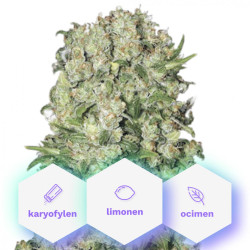
Genetics with high levels of anti-inflammatory terpenes such as myrcene and limonene can enhance the desired therapeutic effects. These aromatic compounds work together with the main cannabinoids, producing the so-called "entourage effect", a natural synergy that maximizes therapeutic benefits.
Consultation with professionals specialized in medical cannabis is crucial to determine the most suitable genetics and products for each specific condition, ensuring optimal results and satisfactory therapeutic experiences.