


 English (English)
 Deutsch (German)
 Čeština (Czech)
 Italiano (Italian)
 Hrvatski (Croatian)
 Română (Romanian)
 български език (Bulgarian)
 Magyar (Hungarian)
 Español (Spanish)
 Français (French)
 Nederlands (Dutch)
 Polski (Polish)
 Slovenčina (Slovak)

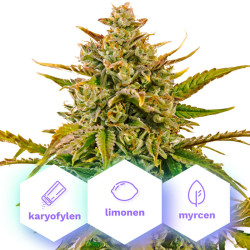
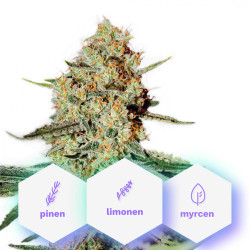
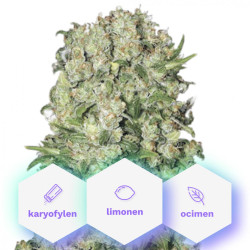
The study of analgesic properties represents one of the most fascinating aspects of research on cannabis collector seeds. These exceptional genetics reveal complex chemical compositions, where each cannabinoid plays a specific role in the biological mechanisms related to pain perception.
The diversity of aromatic profiles and cannabinoid compositions observed in these collector seeds offers an exciting field of study to understand how different varieties exhibit distinct theoretical properties when faced with various categories of painful sensations.
Classification of pain types and biological mechanisms
Scientific research distinguishes three main categories of pain, each requiring a specific therapeutic approach:
- Nociceptive pain - resulting from tissue damage
- Neuropathic pain - caused by dysfunctions of the nervous system
- Central pain - appearing without an identifiable physical cause
These different types of pain involve distinct neurological pathways, which explains why certain cannabis genetics exhibit cannabinoid profiles theoretically better suited to certain conditions than others.
The pain perception process involves a complex cascade of neurochemical signals. Specialized brain cells constantly modulate the intensity of these signals, sometimes creating paradoxical situations where a severe injury may initially go unnoticed during traumatic shock.
Properties of cannabinoids against nociceptive pain
Nociceptive pain, characterized by sharp and throbbing sensations, results directly from tissue damage. The body then triggers a complex inflammatory reaction, releasing various proteins and chemical substances that activate spinal nerve pathways.
THC-rich genetics exhibit particularly interesting theoretical properties in this context. THC demonstrates a remarkable ability to modulate inflammatory responses directly at the level of immune cells, via the activation of CB2 endocannabinoid receptors.
CBD, meanwhile, influences macrophages, those crucial cells of the immune system. Instead of producing pro-inflammatory substances, these cells redirect towards the production of anti-inflammatory compounds under the influence of CBD.
Cannabinoid synergies and neurological modulation
The activation of CB1 receptors by THC presents a theoretical double advantage: it attenuates the intensity of signals ascending the spinal cord to the brain, while potentiating the activation of the body's natural opioid receptors.
CBD enriches this process by increasing the production of anandamide, an endogenous cannabinoid functioning as a "natural THC" produced by the body itself. This synergy creates a particularly sophisticated entourage effect.
Beyond the endocannabinoid system, CBD interacts with GABA receptors, those neurological gatekeepers responsible for inhibiting nerve signals. This interaction reinforces the natural inhibitory effect, creating an additional barrier against the transmission of pain signals.
Complexity of neuropathic pain
Neuropathic pain represents a particular challenge, affecting approximately 7 to 10% of the population. Unlike nociceptive pain, it does not result from tissue damage but from direct dysfunctions of the nervous system.
This category of pain can occur following nerve trauma, compression, or accompany certain pathologies like multiple sclerosis, where the degradation of the myelin sheath disrupts normal nerve transmission.
Other medical conditions such as HIV, diabetes, Parkinson's disease, or chemotherapy treatments can also trigger this type of chronic pain.
Specialized therapeutic approaches
The complexity of neuropathic pain lies in its independence from classic inflammatory mechanisms. Traditional anti-inflammatories therefore prove ineffective, requiring more sophisticated therapeutic approaches.
It is in this context that the study of specific cannabinoid profiles takes on its full meaning. Certain genetics exhibit THC/CBD ratios particularly suited to modulating neuropathic pathways, offering promising therapeutic perspectives.
Research on these collector seeds reveals the crucial importance of dosage and appropriate genetic selection. Optimizing these parameters theoretically allows for maximizing efficacy while minimizing the development of tolerance to cannabinoids.
Managing tolerance and therapeutic optimization
The development of tolerance represents a major challenge in the therapeutic use of cannabis. When CB1 receptors adapt to high concentrations of THC, their sensitivity progressively decreases, reducing treatment efficacy.
A promising strategy involves rebalancing the ratio in favor of CBD, either by selecting CBD-dominant genetics, or by supplementing the treatment with CBD-rich extracts.
CBD has the additional advantage of acting on serotonergic receptors, contributing to improved mood and overall well-being. This property proves particularly valuable for patients suffering from chronic pain, often accompanied by depressive disorders.
The in-depth study of these collector genetic materials continues to reveal the remarkable sophistication of the endocannabinoid system and its complex interactions with pain perception mechanisms, opening fascinating perspectives for future medical research.