


 English (English)
 Deutsch (German)
 Čeština (Czech)
 Italiano (Italian)
 Hrvatski (Croatian)
 Română (Romanian)
 български език (Bulgarian)
 Magyar (Hungarian)
 Español (Spanish)
 Français (French)
 Nederlands (Dutch)
 Polski (Polish)
 Slovenčina (Slovak)
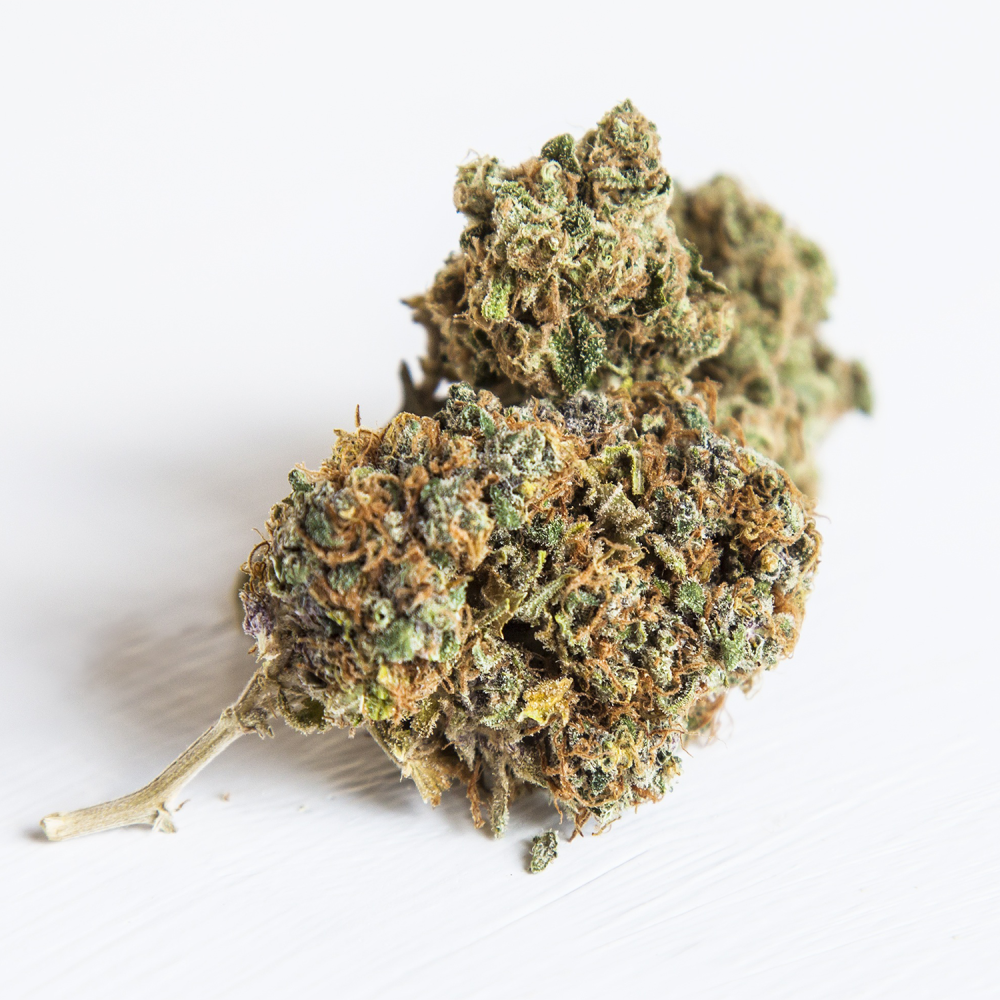



Modern scientific research is revealing fascinating aspects of cannabidiol (CBD) and its unique properties. This molecule, found in CBD-rich cannabis seeds from collections, is attracting growing interest in the scientific community, particularly for understanding its complex mechanisms of action and diverse therapeutic profiles.
Key findings:
- CBD interacts with multiple receptors in the organism
- CBD-rich cannabis seeds from collections possess genetic profiles with recognized anti-stress and relaxing properties
- Effectiveness depends on an optimal dosage specific to each therapeutic application
In 2015, the US National Institute of Health allocated 21.2 million dollars from a total budget of 111 million dollars for research on cannabinoids and their therapeutic potentials. These funded projects focus on possible modifications of the endocannabinoid system and the use of plant-derived cannabinoids.
While delta-9-THC as the primary cannabinoid is already recognized for its medicinal properties, CBD is gaining increasing importance in various therapeutic areas. Given this promising potential, the National Institute of Health has allocated 9 million dollars exclusively for CBD research.
The inverted U-curve: A central scientific phenomenon
A large part of this research focuses on the potential treatment of epilepsy, particularly refractory pediatric forms. Current studies show considerable potential of CBD in these cases. Daily doses of 600mg CBD reduced seizure frequency in children by 39%.
However, this dose is higher than what is found in most CBD products on the market, which are typically intended to help with anxiety, pain, and inflammation. So why not simply increase the CBD dosage, especially for anxiety?
Contrary to intuition, the answer is: No - a higher dosage does not guarantee a better CBD effect. This cannabinoid requires adherence to specific dosage ranges for each therapeutic goal. An optimal balance must be found - neither too high nor too low.
"For example, CBD is effective for stress and anxiety at low doses. For treating epilepsy, however, significantly higher dosages are required."
A study from 1990 on animals showed that CBD can be effective against anxiety at low doses, while these anti-stress effects could no longer be observed at higher doses. The authors describe the typical inverted U-curve effect.
With four different dosages, they found that from the lowest to the highest dose: The first dose had a positive but moderate effect; the second dose showed the strongest effect; the third dose was less effective than the second; and the fourth, highest dose showed practically no remaining anxiolytic effect.
Diverse mechanisms of action of CBD
Although this mechanism may seem unusual, it is relatively common among substances that act on multiple receptors simultaneously - as is the case with CBD. According to research, the inverted U-effect is observed in 37% of toxicological studies on various substances. This frequency suggests that it is not a coincidence, but rather a different mode of action in different brain regions.
CBD's remarkably broad therapeutic range - applicable to various pain conditions, anxiety disorders, post-traumatic stress disorder, and other diseases - reflects its diverse "targets of action" distributed throughout the organism and brain, acting on various receptors of the endocannabinoid system.
Each individual receptor target of CBD has its own "gold standard" for dosage. Determining the correct dosage based on the therapeutic goal is therefore crucial for CBD treatment.
Genetic profiles and therapeutic applications
Roger Pertwee, a renowned researcher and pharmacologist who has intensively studied CBD, described the differences between low, medium, and high dosages in a widely cited publication in the British Journal of Pharmacology. As expected, CBD at relatively low doses interacts with a limited number of neuronal target structures - the receptors.
At relatively low dosages, CBD can modulate the interaction of natural endocannabinoids (like anandamide) and plant cannabinoids (like delta-9-THC) with the nervous system. This mechanism often explains CBD's ability to mitigate the negative effects of high THC doses, such as anxiety or tremors.
Interaction with serotonin receptors
The positive effects of CBD on stress and anxiety are attributed to its interaction with specific serotonin receptors. Serotonin is a crucial neurotransmitter that regulates mood and the stress response. A low serotonin level is considered one of the main causes of persistent stress, anxiety, and depression.
Animal studies on CBD show that this cannabinoid acts similarly to conventional medications by increasing the activation and production of serotonin. CBD-rich cannabis seeds from collections therefore exhibit particularly interesting molecular profiles for therapeutic research.
"In animal experiments, we observed an improved stress response at low to medium doses. The test animals were fixed in a 'forced test' for one hour, unable to move. Subsequently, CBD was administered, and the stress reaction was measured compared to a control group without CBD or with other treatments."
However, the anxiolytic effects of CBD disappear at higher doses and fail to appear if the 5-HT1 receptors are previously blocked. This demonstrates that the stress response requires the activation of this specific receptor type.
Similar CBD dosages and their positive effects have been demonstrated in studies with humans. Effectiveness was shown in individuals with general social anxiety disorder as well as in those who took CBD before public speaking. These positive anti-stress effects are linked to the restoration of normal functions in the brain regions responsible for emotional dysregulation.
The positive effects of CBD in treating anxiety are observed at approximately 25% of the dose typically used to treat epilepsy. This discovery underscores how important understanding the genetic profiles of CBD-rich cannabis seeds from collections and their specific cannabinoid compositions is for optimizing future therapeutic applications.