


 English (English)
 Deutsch (German)
 Čeština (Czech)
 Italiano (Italian)
 Hrvatski (Croatian)
 Română (Romanian)
 български език (Bulgarian)
 Magyar (Hungarian)
 Español (Spanish)
 Français (French)
 Nederlands (Dutch)
 Polski (Polish)
 Slovenčina (Slovak)
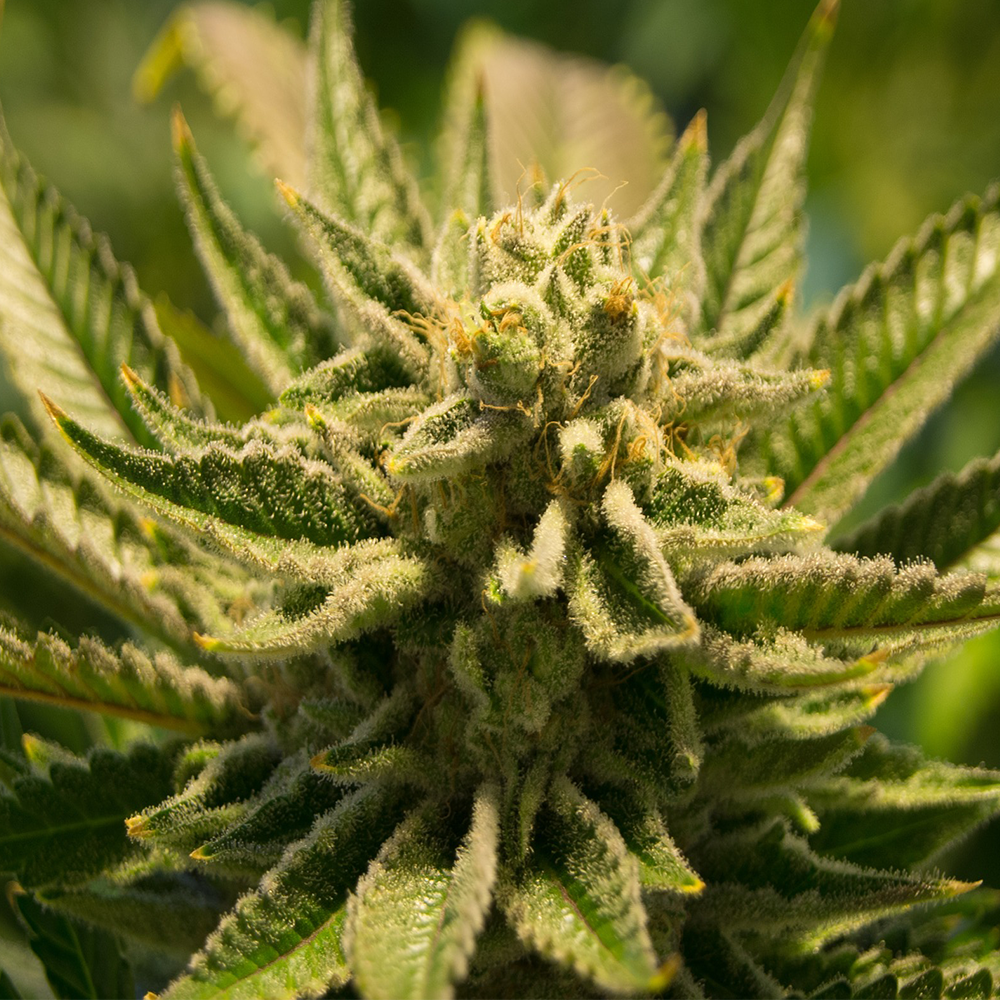


The study of cannabis genetics has revealed fascinating compounds that spark the interest of collectors and researchers alike. Among these, cannabinoids such as CBD and THC present unique molecular profiles that have captured scientific attention, especially in relation to neurodegenerative conditions such as Alzheimer's disease.
For enthusiasts of collectible seeds, understanding the chemical composition of different varieties represents a fundamental aspect of cannabis genetics collecting. Collection seeds offer a unique window into the genetic diversity of this extraordinary plant.
Cannabinoid Profiles in Collection Varieties
CBD-rich varieties have been shown to contain complex terpene profiles that include myrcene, limonene, and pinene. These aromatic compounds not only define the olfactory character of each genetics, but also represent the sophisticated natural chemistry of the plant.
The main cannabinoids found in the genetic material include:
- Cannabidiol (CBD) - known for its natural antioxidant properties
- Tetrahydrocannabinol (THC) - the most studied cannabinoid in research
- Cannabigerol (CBG) - considered the precursor of other cannabinoids
- Cannabinol (CBN) - the result of natural THC oxidation
Scientific research has identified that certain genetics present specific ratios of these compounds, creating unique profiles that define each collectible variety.
Research on Neuroprotective Properties
Scientific studies have shown that CBD presents fascinating molecular characteristics. This cannabinoid interacts with PPAR-γ receptors, systems that have been the subject of intense research in the context of neurodegenerative diseases.
"CBD-rich varieties represent some of the most valued genetics among collectors, due to their distinctive aromatic profiles and unique chemical composition."
The mechanism of action of CBD involves multiple pathways:
- Modulation of oxidative stress at the cellular level
- Interaction with specific receptors of the endocannabinoid system
- Influence on neurotransmitter production
Published research has documented how CBD can influence the formation of amyloid plaques, protein structures associated with cognitive decline. These findings have generated great interest in the international scientific community.
Collectible Varieties with High CBD Content
For collectors of cannabis genetics, varieties with high CBD content represent especially valuable specimens. These genetics tend to be characterized by:
- Complex and aromatic terpene profiles
- Specific and stable CBD:THC ratios
- Distinctive morphological characteristics
- Well-documented genetic lineages
Research has identified that certain varieties develop CBD concentrations above 15%, while maintaining minimal THC levels. This unique chemical composition makes these seeds particularly sought after by specialized collectors.
Terpenes and Aromatic Compounds
Beyond the main cannabinoids, collection genetics present extraordinarily diverse terpene profiles. The most relevant terpenes in neuroprotective varieties include:
- β-Caryophyllene - interacts directly with CB2 receptors
- Limonene - known for its natural antioxidant properties
- Pinene - the most abundant terpene in nature
- Linalool - shared with lavender, contributes floral notes
These aromatic compounds work synergistically with cannabinoids, creating what researchers call the "entourage effect." This phenomenon explains why different varieties, even with similar main cannabinoid contents, can present completely distinct organoleptic characteristics.
Scientific Value of Genetic Material
The scientific value of collectible seeds transcends their mere botanical interest. Each variety represents decades of genetic selection, preserving specific traits that could prove crucial for future research.
Specialized seed banks maintain genetic libraries that include:
- Original landrace varieties from different regions
- Stabilized hybrids with specific profiles
- Experimental genetics with unique cannabinoid ratios
The preservation of this genetic diversity is fundamental for scientific advancement. Each variety contributes valuable information about the expression of different bioactive compounds and their molecular interactions.
Future Perspectives in Research
Research continues to reveal fascinating aspects of cannabis chemistry. Recent studies have identified more than 100 different cannabinoids, many of which remain practically unexplored.
Collectible varieties with rare cannabinoid profiles, such as those rich in THCV or CBG, represent unique opportunities for future studies. These minor compounds could reveal still unknown therapeutic properties.
"The genetic diversity preserved in seed collections represents an incalculable scientific treasure for future generations of researchers."
The future of cannabis research depends significantly on the conservation of diverse genetic material. Collectors play a crucial role in this process, keeping alive genetics that might otherwise be lost forever.
In conclusion, cannabis seed collecting transcends mere hobby, becoming a valuable contribution to the preservation of genetic diversity and the advancement of scientific knowledge about these extraordinary compounds.