


 English (English)
 Deutsch (German)
 Čeština (Czech)
 Italiano (Italian)
 Hrvatski (Croatian)
 Română (Romanian)
 български език (Bulgarian)
 Magyar (Hungarian)
 Español (Spanish)
 Français (French)
 Nederlands (Dutch)
 Polski (Polish)
 Slovenčina (Slovak)
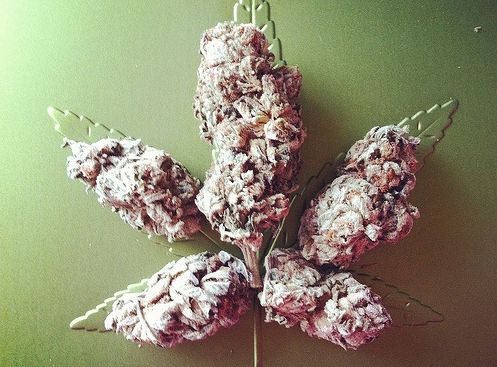



Caryophyllene terpene: the aromatic treasure of cannabis genetics
In the world of collector cannabis seeds, terpenes play a key role in shaping aromatic profiles. Caryophyllene, more precisely beta-caryophyllene, is one of the most remarkable terpenes found in cannabis genetic material. This molecule is responsible not only for the characteristic spicy aroma but also has properties that are extremely interesting from a scientific standpoint.
Caryophyllene occurs naturally in many plants, including hops, cloves and rosemary. In cannabis genetics it is one of the most significant aroma components, serving collectors as a particularly valuable genetic marker. Because of its natural origin, this terpene is considered a safe molecule and is widely studied in botanical research.
Interaction with the endocannabinoid system
During scientific research, caryophyllene has shown a unique property: it is the first non-cannabinoid molecule capable of directly activating receptors of the endocannabinoid system. This discovery revolutionized terpene research and opened new perspectives in understanding cannabis genetics.
The endocannabinoid system has two main receptor types: CB1 and CB2. While CB1 receptors are found mainly in the nervous system, CB2 receptors are present primarily in immune system cells. Caryophyllene interacts specifically with CB2 receptors, which makes this terpene a particularly interesting botanical subject.
The number of CB2 receptors increases significantly in the case of physical injury or illness, suggesting that these receptors play an important role in the body's defence mechanisms. Caryophyllene's interaction with these receptors is especially interesting from the perspective of anti-inflammatory and pain-relief research.
Identifying cannabis genetics rich in caryophyllene
For collectors, it is important to know how to identify collector seeds with high caryophyllene content. These genetics typically have a strong, spicy aroma profile reminiscent of black pepper or cloves. Strains rich in caryophyllene often show a complex aromatic structure in which spicy notes dominate.
With the development of modern cannabis genetics, more and more breeders are focusing on developing lines with high terpene content. Among collector seeds are genetics specifically known for their high concentration of caryophyllene terpene. These strains are particularly valuable for preserving genetic diversity and studying terpene profiles.
Characteristics and occurrence of caryophyllene
At the molecular level, beta-caryophyllene belongs to the sesquiterpene category and has a distinctive chemical structure. This terpene is not found only in cannabis but is also present in many kitchen herbs and medicinal plants. Its wide natural occurrence demonstrates the botanical significance of this molecule.
In terms of aroma profile, caryophyllene occupies a special place. Its scent is complex, combining spicy, earthy and slightly citrusy notes. This aromatic composition makes it particularly valuable for those interested in the aromatic properties of cannabis genetics for collecting purposes.
Terpene analysis and genetic markers
Modern laboratory techniques enable precise terpene analysis, which helps identify genetic lines rich in caryophyllene. This scientific approach is especially important for establishing the authenticity of genetic material and documenting the aromatic differences between various strains.
Collectors are particularly interested in genetic profiles that show a high concentration of caryophyllene, since these possess special aromatic properties. Such genetics include, for example, certain OG Kush lines, Gelato variants and numerous strains belonging to the Kush family.
Botanical research and scientific significance
Research into caryophyllene is still at an early stage, but several exciting discoveries have already been made in this field. The terpene's unique ability to interact directly with receptors of the endocannabinoid system has opened new research directions in botanical and pharmacological science.
The scientific community pays particular attention to how caryophyllene works together with other terpenes and cannabinoids in cannabis genetic material. This so-called "entourage effect" is key to understanding the full aromatic profile.
Researchers are examining how the presence of caryophyllene influences the overall chemical composition and aromatic properties of cannabis genetics. These studies are not merely of scientific interest but also carry practical significance for collectors and for preserving genetic diversity.
Important note: The cannabis seeds discussed in this article are intended exclusively for collecting purposes. Cannapio offers collector seeds that should be valued as a botanical and genetic curiosity, not for cultivation or consumption purposes.