


 English (English)
 Deutsch (German)
 Čeština (Czech)
 Italiano (Italian)
 Hrvatski (Croatian)
 Română (Romanian)
 български език (Bulgarian)
 Magyar (Hungarian)
 Español (Spanish)
 Français (French)
 Nederlands (Dutch)
 Polski (Polish)
 Slovenčina (Slovak)

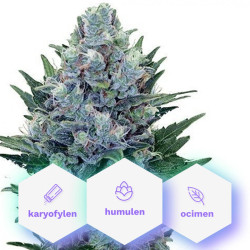


Scientific Breakthrough in Cannabis Autism Research
Medical cannabis research has achieved an important milestone with the publication of a comprehensive Israeli study examining the therapeutic potential of cannabis in autism spectrum disorders. This groundbreaking analysis, conducted by leading researchers, including Raphael Mechoulam and his team, brings scientific clarity to a field that has long relied on anecdotal reports.
The genetics of therapeutic cannabis strains with specific cannabinoid profiles is receiving increasing scientific attention. Modern research methods allow us to better understand the complex interactions between various cannabinoids and the endocannabinoid system.
Study Design and Patient Population
The research team analyzed a cohort of 188 patients diagnosed with autism spectrum disorders over two years (2015-2017). The study was characterized by strict selection criteria and standardized measurement methods.
The majority of participants received treatment with cannabis oil with a standardized cannabinoid profile: 30% CBD combined with 1.5% THC. This specific ratio was chosen based on earlier preclinical studies suggesting that CBD-dominant preparations may have a favorable safety profile.
Demographic Characteristics
The patient population consisted predominantly of male participants (81.9%), with an average age of 12.7 years. The age distribution spanned various developmental stages, with 38.2% of participants aged between 11 and 18 years.
Interestingly, 27 patients were additionally diagnosed with epilepsy, which builds on earlier research into the neuroprotective properties of certain cannabinoids. Seven participants had a comorbid ADHD diagnosis.
Methodology and Assessment Parameters
The research team developed a comprehensive assessment system based on three primary endpoints:
- Monitoring of symptom frequency - systematic recording of behavioral changes
- Assessment of overall condition - holistic evaluation by caregivers
- Side effect profile - safety monitoring over six months
The baseline symptom analysis showed an average of 6.3 symptoms per patient. The most common presentations were restlessness (90.4%), emotional outbursts (79.8%), and general agitation (78.7%).
Cannabinoid Science and Neurological Signaling Pathways
Current research on the endocannabinoid system has provided new insights into how cannabinoids can interact with neurological processes. CBD-rich genetics exhibit a unique pharmacological profile that differs from THC-dominant varieties.
Studies suggest that CBD possesses a broad spectrum of receptor interactions, including serotonergic and dopaminergic signaling pathways that may be relevant for neurodevelopmental disorders. The molecular mechanism involves complex signaling cascades that continue to be intensively researched.
Terpene Profiles and Synergistic Effects
In addition to primary cannabinoids, the terpene profile may also play an important role. Myrcene with its characteristic earthy notes and other terpenes such as limonene and linalool may contribute to what researchers call the "entourage effect."
Israel's Pioneer Status in Medical Cannabis
Since the formal approval of therapeutic cannabis by the Ministry of Health in 2007, Israel has positioned itself as a global leader in cannabis research. This progressive policy has led to a robust research ecosystem.
The development of the Israeli program shows a gradual expansion of indications. Initially focused on symptomatic relief, the program was expanded in 2014 to include specialized pediatric epilepsy treatment under the supervision of certified neurologists.
The success of these epilepsy programs, where significant reductions in seizure frequency were observed, motivated further research into other neurodevelopmental disorders.
Safety Considerations and Future Directions
Although the results are encouraging, the researchers emphasize the need for continued safety monitoring. The long-term safety profile of cannabinoid therapy in pediatric populations requires additional longitudinal studies.
The scientific community acknowledges that anecdotal reports, however valuable, do not constitute a sufficient basis for definitive therapeutic recommendations. Controlled clinical trials with larger patient cohorts are essential to establish evidence-based treatment protocols.
Regulatory Considerations
The transition from experimental treatment to standardized therapeutic protocols requires close collaboration between researchers, regulators, and clinical practitioners. Quality control of cannabis products and standardized dosing guidelines remain critical challenges.
Future studies are expected to focus on optimizing cannabinoid ratios for specific symptom clusters and identifying biomarkers that can predict therapeutic response.