


 English (English)
 Deutsch (German)
 Čeština (Czech)
 Italiano (Italian)
 Hrvatski (Croatian)
 Română (Romanian)
 български език (Bulgarian)
 Magyar (Hungarian)
 Español (Spanish)
 Français (French)
 Nederlands (Dutch)
 Polski (Polish)
 Slovenčina (Slovak)
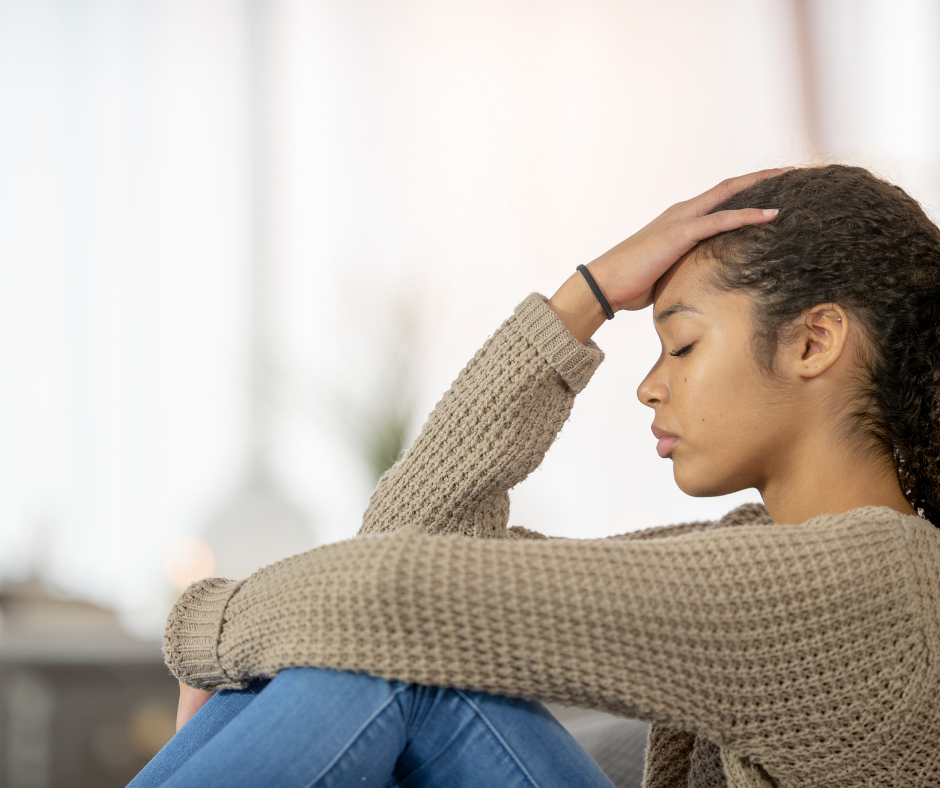
- Medical cannabis has great potential for the treatment of depression
- Studies show that cannabis users have a far lower rate of depression
- Cannabis as an antidepressant does not carry any negative side effects
- Cannabis treatment brings improved appetite, help with insomnia and improved mood
Depression
We usually hear about cannabis and its medicinal properties in connection with physical illnesses such as cancer (more in our article "Cancer"), AIDS or glaucoma. Less is heard about the use of cannabis for conditions of a psychological nature such as depression, but as the taboo surrounding this enormously useful plant recedes, more and more people are coming forward with stories of how cannabis has helped them with various mental disorders. Recently, doctors from various fields of medicine and science in general have also been coming out in favour of medical cannabis.
In the following article we will explain the forms, causes, symptoms and current forms of treatment of depression. If you only want to know how cannabis can help with depression and which varieties are most often used for this purpose, skip straight to the last section.
Forms of depression
Depression is a very complex mood disorder that leaves those who suffer from it in a state where they are unable to work, eat or sleep normally (more in our article "Insomnia") or simply enjoy anything in everyday life. Let us look at the most common forms of depression:
Major depression: a constant inability to enjoy life for a period of 6 months or more.
Dysthymia: depression lasting at least two years, in stable periods.
Bipolar disorder, manic-depressive psychosis: depression accompanied by rapid mood swings, hyperactivity, rapid speech and insomnia.
Seasonal affective disorder: depression triggered by the changing seasons.
The World Health Organization (WHO) estimates that around 350 million people of all age groups worldwide suffer from depression, making it one of the most common types of illness.
The most common causes of depression
- Abuse: emotional, sexual, physical
- Conflict: with family, friends or loved ones
- Genetics
- Isolation
- Loss: e.g. the loss of a loved one
- Major life changes or events
- Serious illness
- Stress - chronic stress is one of the most common causes of depression
- Substance abuse
Symptoms of depression
The symptoms of depression may vary from person to person, but the most common are lethargy and feelings of hopelessness together with low self-esteem, self-deprecation, and feelings of guilt or shame. These symptoms can mentally exhaust the person affected and leave them in a state where they are unable to suppress negative thoughts, which in turn leads to moodiness and irritability. Those affected also often experience a deterioration of memory and an inability to make everyday decisions. Depression can also result in reckless behaviour, fluctuations in body weight or sleep problems. Trivial activities become enormously exhausting and take longer than usual.
Long-term depression can ultimately lead to suicidal thoughts or to suicide itself. In the Czech Republic, the number of suicides is higher than the European average.
Current forms of treatment
As we have already explained, depression has many forms, symptoms and causes. For this reason, every case is different and it is difficult, if not impossible, to find a clear answer or cure.
It is important to maintain a healthy lifestyle - eliminate stress factors, try meditation, exercise regularly (to support the production of endorphins), eat nutritious and healthy food (e.g. hemp seeds - more in our article) and sleep 7-9 hours a day if possible.
Psychotherapy can be used to recognise and express emotions while building the skills needed to cope with, for example, adversity, trauma or loss. Therapy can take the form of family, interpersonal or cognitive behavioural therapy.
Antidepressants, which are another treatment option, carry many adverse side effects such as dizziness, disorientation or weight gain. Before you start using any antidepressants, always consult your doctor.

Medical cannabis against depression
Cannabis as a remedy for depression is historically nothing new. As early as 1621 it was recommended, for example, by the well-known English scholar and clergyman Robert Burton in his work "The Anatomy of Melancholy". Moreover, in the same century it was widely used as an antidepressant by doctors in India at the time.
Since cannabis acts, among other things, as a stimulant of the endocannabinoid system and a promoter of the formation of new nerve tissue, medical cannabis could become a faster-acting alternative to a number of currently used antidepressants, which would, among other things, help patients avoid many serious side effects. Of course, the use of cannabis does have side effects: most often these are appetite, better concentration, help with insomnia and, last but not least, the all-important improvement in mood.
One study from 2006 shows that both daily and occasional cannabis users report fewer symptoms of depression than people who do not use cannabis. However, an important finding of the researchers from McGill University in Montreal is also that the active component of cannabis, THC, can reduce the symptoms of depression in low doses, but in higher doses it may instead make the symptoms worse. It is generally known, however, that both THC and CBD (the non-psychoactive component of cannabis) are able to have a sedative, antidepressant and antipsychotic effect, but it is important to pay attention to the dosage, which may vary from patient to patient.
"Of course, the use of cannabis does have side effects: most often these are appetite, better concentration, help with insomnia and, last but not least, the all-important improvement in mood."
Another study, this time by the university medical centre in Utrecht in the Netherlands, whose results led to cannabis being recommended in the Netherlands as a remedy for depression and other mental illnesses, shows that THC can positively influence the reactions of patients exposed to negative images and emotions, again through changes in the endocannabinoid system of the nervous system.
Furthermore, the head of research into chronic stress and depression at the University at Buffalo in the US, Dr Samir Haj-Dahmane, concludes: "Chronic stress is the most common cause of depression. Cannabis and its derivatives may in time serve us as a medicine for treating mood disorders and depression, and as a stabiliser of the endocannabinoid system"
For cannabis and its derivatives to be routinely prescribed as a medicine for depression, much more research is needed and, above all, changes to legislation in many countries of today's world. Nevertheless, we can already safely say that in reasonable doses medical cannabis acts as an antidepressant whose use does not carry any serious side effects.
Varieties popular for their antidepressant effects include, for example, the renowned Jack Herer, the famous Pineapple Express, Blackberry Kush or the exotic Lemon Thai Kush. You will find all of these and many other varieties on offer in our e-shop!
And what about you, our readers – have you tried fighting stress with medical cannabis? If so, share your opinions, questions and experiences with us in the comments section!
Sources: lidovky.cz buffalo.edu ncbi. ncbi.nlm medicalmarijuana.procon.org leafly.com nami.org
afsp.org www.leafly.com azdhs.gov leafly.com leafly.com leafly.com leafly.com
Images: statnews.com broadly-images.vice.com