


 English (English)
 Deutsch (German)
 Čeština (Czech)
 Italiano (Italian)
 Hrvatski (Croatian)
 Română (Romanian)
 български език (Bulgarian)
 Magyar (Hungarian)
 Español (Spanish)
 Français (French)
 Nederlands (Dutch)
 Polski (Polish)
 Slovenčina (Slovak)
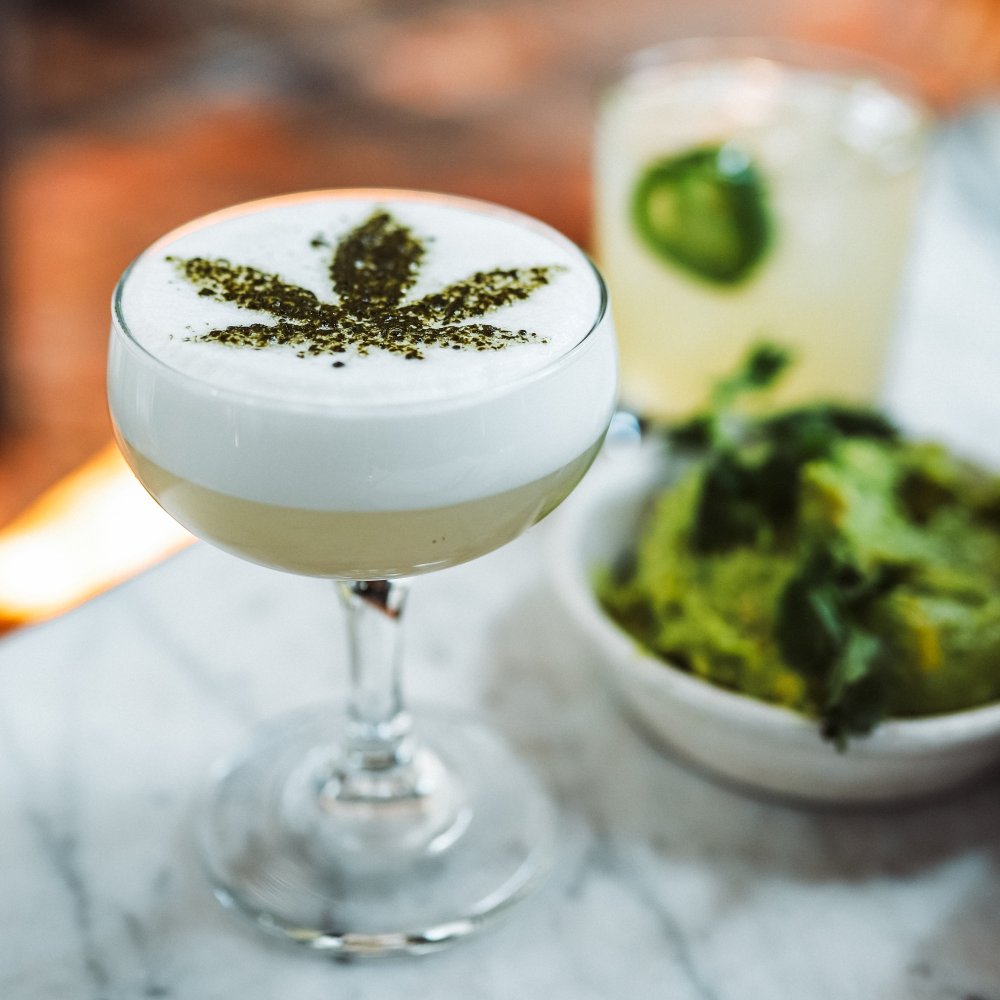



Cannabidiol (CBD) is gaining increasing recognition in the wellness and health sector, becoming an increasingly common ingredient in foods and beverages. It would not be surprising to soon see, alongside CBD-enriched coffee, beers and spirits containing this cannabinoid on the counters of shops and bars. But how safe is the combination of cannabidiol and alcohol? Opinions on this topic vary considerably, both among experts and consumers. Let us examine some research to try to answer this fundamental question, considering that CBD will likely become part of even more people's lives in the coming years.
Understanding the interactions between different substances is crucial when discussing bioactive compounds such as cannabidiol. Cannabis genetics rich in CBD present complex aromatic profiles, determined by specific combinations of terpenes and cannabinoids that characterize each collectible variety.
Pharmacological Profiles: Alcohol vs. CBD
Alcohol has very distinctive biphasic effects. At moderate dosages, it can produce euphoric sensations that users often describe as a reduction in social inhibitions. However, at higher concentrations, alcohol exhibits sedative and depressant properties. In the nervous system, this substance influences numerous receptor systems including GABA, serotonin, dopamine, glutamate, and opioid receptors, which explains its addictive potential. The World Health Organization attributed approximately 3.3 million deaths to alcohol in 2012, highlighting that the benefits are limited exclusively to very moderate consumption.
Cannabidiol presents some interesting characteristics when considered at moderate dosages. This compound can also promote relaxation and, according to a 2019 study, CBD was shown to reduce anxiety in 79.2% of the 72 adult participants after one month of use. Furthermore, 66.7% of subjects reported improvements in sleep quality, although these scores showed fluctuations over time.
Research from 2011 highlighted the tolerability and safety of cannabidiol, emphasizing its notable therapeutic potential. In the treatment of cardiovascular disorders, CBD contributes by reducing oxidative stress, inflammation, and cell death, mechanisms closely related to the reduction of anxiety, depression, and the improvement of sleep quality.
Interactions between CBD and Alcohol: What Studies Reveal
The combination of alcohol with the non-psychoactive cannabinoid CBD could potentially amplify certain effects such as relaxation, increased drowsiness, or sedation. It is hypothesized that this interaction may intensify the effects of alcohol, potentially leading to behavioral and perceptual changes in users.
However, there is only one study that specifically examined the effects of the CBD-alcohol combination in humans. Participants received 200 mg of cannabidiol along with 1 gram of alcohol per kilogram of body weight. Compared to placebo, both the alcohol-CBD combination and alcohol alone caused impairment of motor functions. An interesting finding was that lower blood alcohol levels were measured in the tested subjects during the combination. CBD alone, however, had no impact on motor functions, indicating that all evident changes were related exclusively to the presence of alcohol.
It is important to note that this research dates back to 1979 and used relatively high dosages of cannabidiol. The scarcity of current studies makes it difficult to draw definitive conclusions about the effects accompanying the association of alcohol and CBD.
Protective Properties of CBD against Alcohol Damage
Despite the limited availability of specific research on the alcohol-CBD combination, several studies indicate the ability of cannabidiol to mitigate the unwanted effects caused by alcohol consumption. These results suggest potentially interesting advantages.
Anti-inflammatory Effects of Cannabidiol
It is universally recognized that excessive alcohol consumption causes cellular damage, increases the risk of inflammation, and liver disease. The reduction of immune functions can also significantly contribute to the onset of tumors. In 2013, Daniel Liput and his team conducted research on rats, discovering that CBD reduces damage to brain cells caused by excessive alcohol consumption by nearly 49%.
The following year, a study led by Dr. Lili Yang demonstrated that CBD reduces liver damage caused by ethanol and promotes the regeneration of new cells, thus helping to restore damaged tissues. It is essential to follow appropriate dosages when considering the interaction of CBD with the liver, as extremely high doses of cannabidiol have caused liver damage in other studies.
Dr. Melanie Bone, a gynecologist with over 30 years of experience in cannabis therapy, states: "CBD can help reduce the damage caused by alcohol consumption. By decreasing cravings and improving the body's defenses, it can help affected individuals minimize the harms associated with alcoholism. For example, the ability of CBD to reduce alcohol-induced liver toxicity in mice has been demonstrated."
CBD as Therapeutic Support in Addiction
Numerous experts agree that CBD could potentially assist in the treatment of patients dependent on alcohol. In 2019, a systematic review based on 12 relevant studies addressing this question was published. Of the total, 8 were conducted on rodents, 3 on human adults, and 1 using cell cultures.
In rodents, CBD was observed to reduce alcohol seeking, self-administration, and attenuate seizures induced by excessive consumption. In human studies, cannabidiol was very well tolerated without significant interactions with alcohol. Overall, CBD appears to be a good candidate for pharmacotherapy associated with addiction treatment, mainly due to its positive effects on the damage caused by excessive consumption.
CBD-rich collectible genetics represent an invaluable genetic heritage for better understanding cannabinoid profiles and their potential therapeutic applications. These varieties offer connoisseurs the opportunity to study the complex interactions between different compounds present in the cannabis genetic material.