


 English (English)
 Deutsch (German)
 Čeština (Czech)
 Italiano (Italian)
 Hrvatski (Croatian)
 Română (Romanian)
 български език (Bulgarian)
 Magyar (Hungarian)
 Español (Spanish)
 Français (French)
 Nederlands (Dutch)
 Polski (Polish)
 Slovenčina (Slovak)
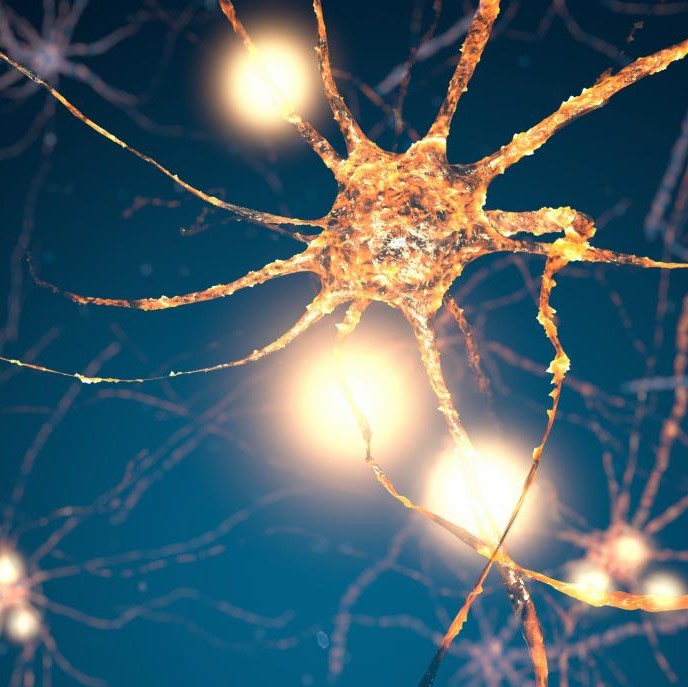



The scientific community remains divided on exactly how cannabis affects our brain cells. While some studies point to potential risks, other research demonstrates protective properties instead. For collectors of cannabis genetics it is essential to understand which chemical profiles are responsible for these diverse effects on the nervous system.
Cannabinoids and their neurological properties
Within cannabis genetics we find more than a hundred different cannabinoids, each with unique chemical properties. THC (tetrahydrocannabinol) and CBD (cannabidiol) represent the two most studied compounds in modern cannabis strains. These molecules interact with our endocannabinoid system (ECS) in fundamentally different ways.
THC is characterized by its strong affinity for CB1 receptors, concentrated mainly in brain regions that regulate memory, concentration and motor function. CBD, on the other hand, acts as a modulating compound that can influence the activity of other cannabinoids without producing direct psychoactive effects itself.
Important: Our cannabis seeds are intended exclusively for collectors. We do not promote the cultivation or consumption of illegal substances.
Neurochemical mechanisms of THC-rich genetics
Strains with high THC concentrations show increased blood flow to the prefrontal cortex in laboratory studies. This brain region, relatively young from an evolutionary standpoint, plays a crucial role in executive functions such as decision-making and memory consolidation. The genetic composition of these strains activates the reward system through increased anandamide production, often referred to as the "bliss molecule".
CBD-dominant profiles and neuroprotection
Cannabis strains rich in CBD show fascinating neuroprotective properties in preclinical studies. This genetics appears able to modulate the less desirable properties of THC-rich varieties, including cognitive disruption and anxiogenic effects. The chemical profile of CBD-dominant strains suggests a more balanced interaction with the endocannabinoid system.
Scientific research into brain impact
The neurological effects of different cannabis profiles remain an active field of research. A 2017 study published in Neuropsychopharmacology examined the memory effects of synthetic cannabinoids in adult rodents. Remarkably, animals exposed to cannabinoids showed improved memory performance compared to the control group.
Complementary research by Dr. Noor Azuin Suliman and her Malaysian team in 2018 confirmed these findings. Their study on rats demonstrated that exposure to THC-like compounds led to improved learning and memory capacity rather than the expected cognitive decline.
However, contrasting results from a large-scale longitudinal study from 2016, involving 3,385 participants aged between 18 and 30, tell a different story. This 25-year research study correlated long-term exposure to THC-rich profiles with reduced verbal memory function, even after adjusting for demographic and psychiatric factors.
Age-specific neurological sensitivity
The timing of exposure to different cannabis profiles appears crucial for neurological outcomes. Dr. Nicholas J. Jackson of the University of California conducted a twin study in 2016 which showed that adolescents exposed to THC-rich genetics scored on average 4 IQ points lower in early adulthood, yet paradoxically showed better memory test results.
More reassuring was a 2019 study by the University of Pennsylvania that examined 781 adolescents using magnetic resonance imaging. Of the 147 participants who reported cannabis use, neither occasional nor regular users showed significant changes in brain volume, cortical thickness or gray matter density compared to the 634 abstinent controls.
Terpenes and neurological modulation
In addition to cannabinoids, terpenes - the aromatic compounds responsible for the characteristic scents of different cannabis strains - may also play a role in neurological effects. Limonene, myrcene and pinene show neuroprotective properties in isolation in preclinical models.
The "entourage effect" suggests that the full chemical matrix of cannabis strains - including minor cannabinoids and terpenes - together determine neurological outcomes. These synergistic interactions make every genetic line unique in its potential neurological profile.
Genetic predisposition and risk factors
Various studies have found correlations between certain cannabis profiles and increased risk of psychiatric conditions such as psychosis, schizophrenia and anxiety disorders. Interestingly, CBD-rich genetics show precisely protective properties against these conditions, which explains their growing popularity among medical researchers.
A Swedish longitudinal study from 2015 followed 45,570 participants over 15 years and examined the incidence of schizophrenia. The results suggested that genetic predisposition is a critical factor in determining individual susceptibility to the psychiatric effects of different cannabis chemotypes.
Implications for cannabis collectors
For cannabis genetics enthusiasts, these research findings offer valuable insight into the complex chemical diversity of different strains. Understanding cannabinoid and terpene profiles helps collectors appreciate the scientific value of their genetic collections.
The neurological research data underscores the importance of genetic diversity within cannabis collections. Strains with unique chemical profiles represent not only botanical curiosities, but also potential research material for future neurological studies.
It is essential to remember that all the effects described relate to the inherent properties of the genetics themselves, not to direct human consumption. Our role as suppliers of collectible seeds is limited to preserving this valuable genetic diversity for scientific and educational purposes.