


 English (English)
 Deutsch (German)
 Čeština (Czech)
 Italiano (Italian)
 Hrvatski (Croatian)
 Română (Romanian)
 български език (Bulgarian)
 Magyar (Hungarian)
 Español (Spanish)
 Français (French)
 Nederlands (Dutch)
 Polski (Polish)
 Slovenčina (Slovak)
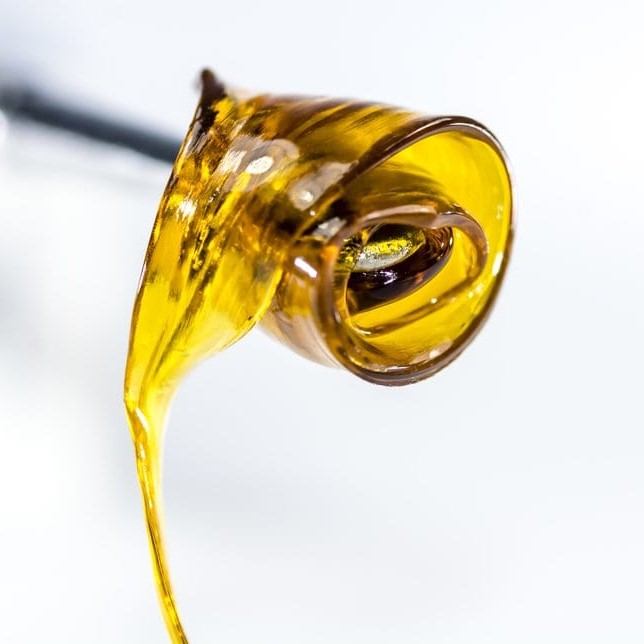
In the fascinating universe of cannabis, collectors and enthusiasts have developed multiple methods to appreciate the aromatic profiles and unique properties of different genetics. Dabbing is presented as a specialized technique that allows for an intense experience of concentrates derived from cannabis varieties, especially those rich in CBD and with complex terpene profiles. This methodology has gained recognition among connoisseurs for its ability to preserve the most subtle characteristics of the genetic material.
Fundamentals of Dabbing: Technique and Science
Dabbing constitutes a sophisticated method that involves the controlled vaporization of cannabis concentrates through the application of precise heat. This technique allows for the appreciation of cannabinoids and terpenes in their most concentrated form, maintaining the chemical integrity of the compounds present in the original genetics. The concentrates used typically come from collectible cannabis varieties, especially those known for their distinctive aromatic profiles and their richness in CBD.
The effectiveness of this technique lies in its ability to volatilize active compounds without degrading them, thus preserving the unique characteristics of each variety. Genetics rich in terpenes such as limonene, pinene, and myrcene show particularly interesting aromatic profiles when processed using this methodology.
Dabbing Methodologies for Collectors
Borosilicate Glass Systems
Glass rigs represent the most traditional and appreciated option among experienced collectors. These systems include specialized components such as the nail, carb cap, and butane torch. The process requires:
- Heating the nail until reaching the optimal temperature (generally between 315-400°C)
- A controlled cooling period to avoid the combustion of sensitive terpenes
- Application of the concentrate using specialized titanium or ceramic tools
- Inhalation of the resulting vapor through the water filtration system
Specialized Portable Vaporizers
Modern technology has developed portable devices specifically designed for concentrates. These devices offer precise temperature control, allowing collectors to experiment with different thermal ranges for each type of concentrate. Features include ceramic or quartz chambers, convection heating systems, and digital temperature controls.
Combination Techniques with Flowers
Some enthusiasts prefer to combine concentrates with dried flowers of complementary genetics. This approach allows for creating unique aromatic profiles by mixing different terpene expressions. However, this methodology offers less control over vaporization temperature, which can affect the preservation of more delicate compounds.
Typology of Concentrates for Collection
Extraction Methods and Quality
Quality concentrates for dabbing are obtained through sophisticated extraction techniques that preserve the integrity of the original cannabinoid and terpene profile. The main methodologies include:
- Supercritical CO2 extraction: Preferred method for its ability to produce concentrates free of residual solvents
- Hydrocarbon extraction: Technique that allows obtaining especially aromatic terpene profiles
- Cold pressing techniques: Mechanical method that preserves the most volatile terpenes
- Water extraction: Process that uses water and ice to separate trichomes
Classification by Cannabinoid Composition
Concentrates are categorized according to their cannabinoid profile and purity:
- CBD isolates: Crystalline concentrates with purity exceeding 99%, characterized by their absence of aroma and flavor. Ideal for collectors interested in the purest form of cannabidiol
- Full-spectrum extracts: They maintain the complete profile of cannabinoids and terpenes, offering the most faithful expression of the original genetics
- Terpene distillates: Combinations of isolates with specific terpene profiles, allowing experimentation with different aromatic expressions
Varieties by Consistency and Texture
The diversity of textures in concentrates offers different sensory experiences:
- Crumble: Brittle and crumbly texture, resulting from specific purging processes that create irregular crystalline structures
- Shatter: Glassy and translucent concentrate, known for its stability and ease of handling
- Live Resin: Extracted from fresh frozen plant material, preserving exceptionally aromatic terpene profiles
- Rosin: Obtained through heat pressing, without the use of solvents, maintaining the purity of the original genetic material
Technical Considerations for Collectors
Dabbing requires technical understanding of the physicochemical properties of different concentrates. Each type of concentrate presents specific optimal temperatures for the volatilization of its active compounds. The most volatile terpenes such as limonene degrade at high temperatures, while cannabinoids such as CBD require higher temperatures for complete vaporization.
The selection of CBD-rich genetics for concentrate production significantly influences the final result. Varieties known for their relaxing and aromatic profiles tend to produce concentrates especially appreciated among collectors.
Proper preservation of concentrates requires storage under controlled conditions, avoiding exposure to light, heat, and humidity that could degrade the most sensitive compounds. Borosilicate glass or medical-grade silicone containers are ideal for maintaining the integrity of these specialized preparations.