


 English (English)
 Deutsch (German)
 Čeština (Czech)
 Italiano (Italian)
 Hrvatski (Croatian)
 Română (Romanian)
 български език (Bulgarian)
 Magyar (Hungarian)
 Español (Spanish)
 Français (French)
 Nederlands (Dutch)
 Polski (Polish)
 Slovenčina (Slovak)
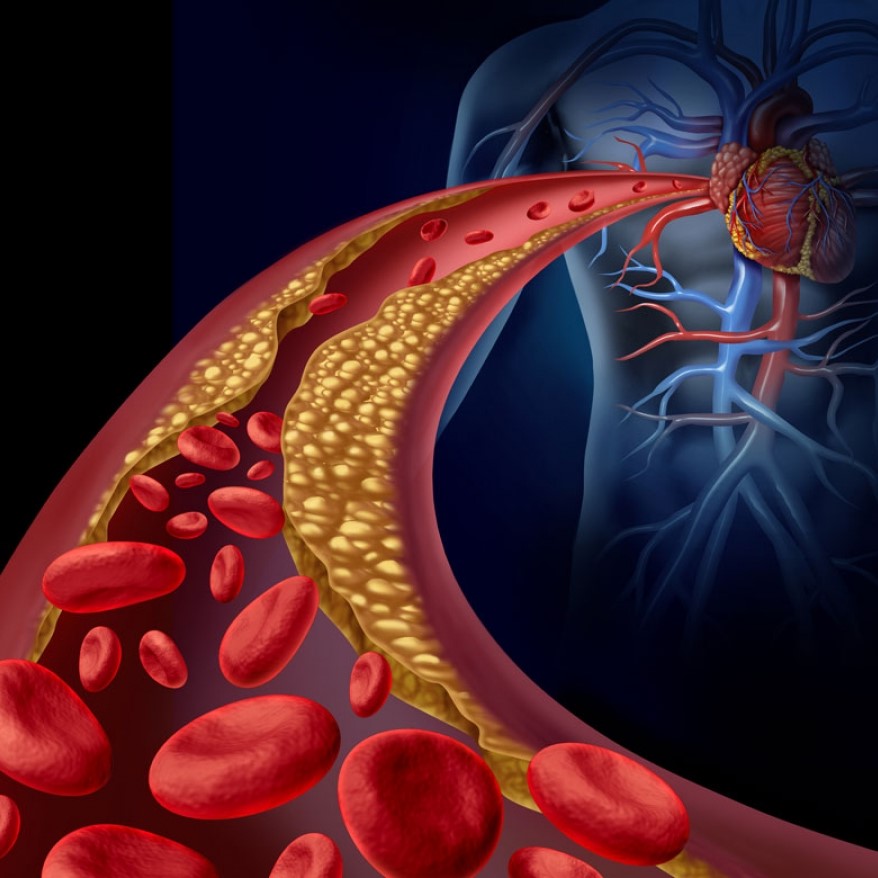



Atherosclerosis: Mechanisms and Impacts on the Body
Atherosclerosis represents a complex pathological process that progressively affects our arteries. This condition, also called hardening of the arteries, results from the accumulation of lipid deposits, cholesterol, and calcium in the arterial walls. Over time, these accumulations form plaques that significantly reduce the diameter of blood vessels, thereby compromising blood circulation to vital organs.
Scientific research is currently interested in the theoretical properties of cannabidiol (CBD), a compound found in collectible cannabis seeds. These studies focus on the chemical profiles of these genetics and their potential mechanisms of action in the cardiovascular context. Collectible seeds contain various varieties with distinct cannabinoid compositions, which are the subject of in-depth analyses.
Risk Factors and Development of Atherosclerosis
Atherosclerosis results from a combination of modifiable and non-modifiable factors. Among the uncontrollable elements, genetic predisposition plays a determining role. Certain genes directly influence lipid metabolism, cholesterol synthesis, and glycemic regulation.
Modifiable risk factors include:
- Chronic arterial hypertension
- Smoking and consumption of harmful substances
- Diabetes and insulin resistance
- Hyperlipidemia and lipid imbalances
- Sedentary lifestyle and lack of physical activity
- An unbalanced diet rich in saturated fats
- Obesity and overweight
- Chronic inflammatory pathologies
The atherosclerotic process begins with oxidative lesions at the level of the arterial endothelium. These micro-lesions constitute anchoring points for LDL cholesterol particles, triggering an inflammatory cascade. The body attempts to repair this damage by mobilizing immune cells, but this response can become counterproductive when inflammation becomes systemic.
Clinical Manifestations and Potential Complications
Atherosclerosis generally evolves silently for decades before the appearance of the first symptoms. Clinical signs only manifest when arterial obstruction becomes significant, compromising the supply of oxygen and nutrients to the affected tissues.
Symptoms vary depending on the location of the arterial lesions:
- Chest pain and tightness during physical exertion
- Intermittent claudication of the lower limbs
- Secondary arterial hypertension
- Progressive renal dysfunction
- Neurological disorders and sensory deficits
- Alterations in speech and coordination
- Transient visual disturbances
Major complications include myocardial infarction, ischemic stroke, and peripheral artery disease of the lower limbs. In the most severe cases, prolonged ischemia can lead to tissue necrosis.
Theoretical Properties of CBD in Cannabis Genetics
Collectible cannabis seeds present variable cannabinoid profiles depending on their genetic heritage. CBD, a non-psychoactive cannabinoid, is the subject of in-depth research concerning its theoretical anti-inflammatory and antioxidant properties. These studies focus on the analysis of compounds naturally present in these genetics.
Theoretical research suggests that certain CBD-rich varieties could present interesting terpene profiles. These aromatic compounds, present in collectible seeds, potentially interact with biological systems according to the concept of the entourage effect. CBD-dominant varieties constitute valuable genetic material for the study of these mechanisms.
Theoretical Mechanisms of Action of Cannabidiol
Scientific studies explore the mechanisms by which CBD present in cannabis genetics could theoretically influence inflammatory processes. This cannabinoid appears to interact with the endocannabinoid system, a network of receptors involved in the regulation of numerous physiological functions.
The theoretical properties of CBD include:
- Modulation of the systemic inflammatory response
- Potential influence on cellular oxidative stress
- Interaction with CB2 receptors of the immune system
- Theoretical regulation of inflammatory mediators
- Influence on endothelial permeability
These mechanisms are the subject of ongoing investigations in the field of fundamental research. The study of the genetic profiles contained in collectible seeds allows for a deeper understanding of these complex processes. It is important to emphasize that these studies remain at an exploratory stage and require additional investigations to establish definitive conclusions.
Research Perspectives and Legal Considerations
In France, collectible cannabis seeds are legally considered genetic material intended for collectors and botanical research purposes. These specimens allow for the theoretical study of chemical compositions and cannabinoid profiles without any implication in cultivation or consumption.
Research perspectives concerning atherosclerosis and cannabinoids open new scientific horizons. The analysis of the genetics contained in collectible seeds contributes to the advancement of fundamental knowledge on the mechanisms of action of these natural compounds. This theoretical approach enriches the understanding of the complex interactions between cannabinoids and biological systems, while respecting the applicable legislation in your country that governs such academic research.