


 English (English)
 Deutsch (German)
 Čeština (Czech)
 Italiano (Italian)
 Hrvatski (Croatian)
 Română (Romanian)
 български език (Bulgarian)
 Magyar (Hungarian)
 Español (Spanish)
 Français (French)
 Nederlands (Dutch)
 Polski (Polish)
 Slovenčina (Slovak)
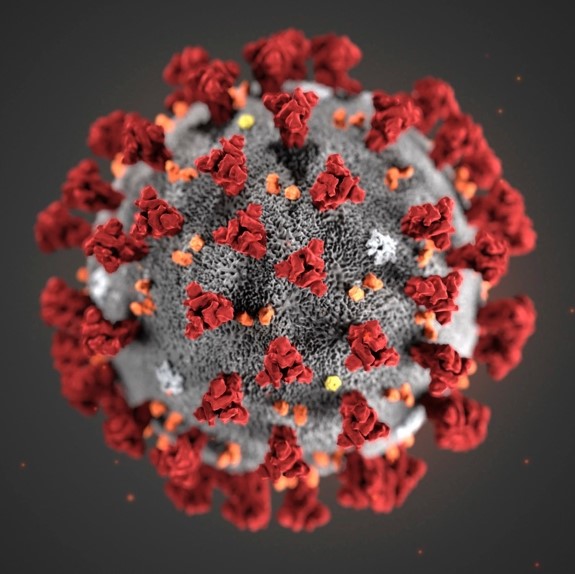



The COVID-19 pandemic that emerged in late 2019 has transformed our understanding of the importance of the immune system and natural supportive therapies. Among the substances that have captured the attention of researchers and cannabis genetics collectors is cannabidiol (CBD), a compound present in certain cannabis varieties that stands out for its notable anti-inflammatory properties and its influence on the endocannabinoid system.
Collector seeds rich in CBD have sparked considerable scientific interest due to the unique aromatic and chemical profiles these genetics can develop. It is important to emphasize that we are talking exclusively about genetic material for collectors, not products for consumption or illegal cultivation.
Characteristics of the CBD-rich genetic profile
Cannabis varieties with high CBD content display distinctive terpene profiles that set them apart from other genetics. These aromatic compounds, together with the cannabinoids, create what experts call the "entourage effect", a molecular synergy that defines the unique characteristics of each strain.
Cannabidiol is characterized by its non-psychoactive profile and its well-documented anti-inflammatory properties. Genetics rich in this cannabinoid often show specific CBD:THC ratios that can reach proportions of 20:1 or even higher, making these genetic lines valuable specimens for any serious collection.
The most common terpenes in these varieties include myrcene, known for its earthy notes, limonene with its characteristic citrus qualities, and pinene, which contributes fresh, conifer-like aromas. This aromatic diversity means each collector seed represents a unique genetic heritage.
The endocannabinoid system and the properties of CBD
To fully understand the potential of CBD-rich genetics, it is essential to know how they interact with the human endocannabinoid system. This complex system of receptors and neurotransmitters plays a crucial role in regulating multiple physiological functions.
Scientific research has shown that CBD displays modulating properties on CB1 and CB2 receptors, as well as on other cellular signaling systems. This particular genetics shows an affinity for serotonin and vanilloid receptors, which explains its distinctive pharmacological profile.
Studies have identified that varieties with high CBD content can influence inflammatory processes at the molecular level. The anti-inflammatory profile of these genetics is due to their capacity to modulate the release of pro-inflammatory cytokines, proteins that play a key role in immune responses.
It is particularly interesting how certain CBD genetics have evolved to produce specific concentrations of this cannabinoid, the result of selection and genetic improvement processes that have produced stable and consistent lines.
Anti-inflammatory and respiratory properties of CBD genetics
The anti-inflammatory properties associated with CBD-rich genetics have been the subject of numerous scientific studies. This research suggests that cannabidiol may modulate excessive inflammatory responses, a characteristic that could be relevant in the context of respiratory conditions.
Researchers such as Dr. Philip Blair have noted that the immunomodulatory properties of CBD could contribute to strengthening the immune system when considered as part of a comprehensive wellness approach. However, it is crucial to emphasize that there is no evidence supporting the use of CBD as a direct treatment for specific viral infections.
The molecular profile of CBD includes interactions with the immune system that go beyond its anti-inflammatory effects. Genetics rich in this cannabinoid show capabilities to modulate oxidative stress, a factor that can influence overall immune function.
Seed collectors specializing in CBD genetics particularly value those lines that have demonstrated stability in cannabinoid production and consistency in their terpene profiles. These characteristics make each variety a unique example of cannabis genetic diversity.
Scientific perspectives and important considerations
The scientific community maintains a balanced stance regarding the potential of CBD. Specialist physicians such as Dr. Dani Gordon have emphasized that, although cannabidiol displays multiple well-documented beneficial properties, it should not be considered a specific treatment for viral infections such as COVID-19.
It is essential to distinguish between the intrinsic properties of CBD-rich genetics and the exaggerated claims circulating in some media. Serious research focuses on understanding the molecular mechanisms through which these cannabinoids interact with specific biological systems.
The adaptogenic properties attributed to certain CBD genetics relate to their capacity to help regulate stress responses. Chronic stress can compromise immune function, so varieties with relaxing profiles could indirectly contribute to overall well-being.
For serious collectors, the importance of these genetics lies in their molecular diversity and genetic stability. Each variety represents decades of selection and breeding, preserving unique characteristics that could prove valuable for future scientific research.
In conclusion, CBD-rich genetics represent a fascinating example of the chemical complexity of cannabis. Their unique cannabinoid and terpene profiles, together with their documented anti-inflammatory properties, make them valuable specimens for any specialized collection. However, it is essential to maintain realistic expectations based on solid scientific evidence, valuing these genetics for their intrinsic characteristics rather than for exaggerated promises.