


 English (English)
 Deutsch (German)
 Čeština (Czech)
 Italiano (Italian)
 Hrvatski (Croatian)
 Română (Romanian)
 български език (Bulgarian)
 Magyar (Hungarian)
 Español (Spanish)
 Français (French)
 Nederlands (Dutch)
 Polski (Polish)
 Slovenčina (Slovak)


Introduction to the World of Cannabis Terpenes
Terpenes make up a large family of organic compounds found abundantly throughout the plant kingdom. In cannabis, these aromatic compounds play a fundamental role in shaping the unique sensory profiles of each genetics. Current scientific research has identified more than 200 different terpenes in cannabis varieties, each with distinctive aromatic characteristics.
These molecules not only determine the characteristic aromatic notes that distinguish one genetics from another, but also actively participate in what is known as the entourage effect. This phenomenon describes the synergistic interaction between terpenes, cannabinoids, and other phytochemicals present in the plant.
The Most Representative Terpenes in Cannabis Genetics
Myrcene: The Predominant Terpene
Myrcene stands out as the most abundant terpene in numerous cannabis genetics. This aromatic compound is also found naturally in mango, basil, and hops. Its aromatic profile is characterized by deep earthy notes reminiscent of cloves, although hints evoking ripe red grapes can also be detected.
Genetics with high myrcene content tend to display markedly relaxing profiles. Scientific research has documented this terpene's anti-inflammatory properties, as well as its potential in managing chronic pain. Several studies have explored its use as a complementary therapy in oncological treatments.
Limonene: Natural Citrus Freshness
Ranking second in frequency, limonene lends a distinctive, refreshing citrus aroma to the genetics that contain it. This terpene is widely used in the cosmetics industry and in cleaning products thanks to its energizing fragrance.
Research has shown that limonene has significant antibacterial properties and acts as an effective antifungal agent, fighting infections caused by fungi and yeasts. Its stimulating aroma is associated with positive effects on mood and stress reduction.
Linalool: Floral and Spicy Elegance
Linalool contributes significantly to the characteristic spicy aroma that defines many cannabis genetics. This terpene masterfully combines spicy notes with delicate floral nuances, creating complex aromatic profiles reminiscent of cinnamon, coriander, and lavender.
Genetics rich in linalool typically display sedative, relaxing profiles. Clinical research has explored its therapeutic potential in treating depressive states, sleep disorders, and inflammatory conditions such as arthritis.
Caryophyllene: A Unique Spicy Intensity
Caryophyllene stands out for its intensely spicy, peppery aroma, derived from its natural presence in black peppercorns, cloves, cinnamon, rosemary, and oregano. This terpene has a unique characteristic: it is the only one that interacts directly with the endocannabinoid receptors, specifically the CB2 receptors.
This direct interaction makes caryophyllene an exceptional anti-inflammatory component for topical formulations, creams, and ointments. Preclinical studies in murine models have demonstrated its potential to reduce alcohol cravings and ease withdrawal symptoms.
Specialized Terpenes and Their Therapeutic Applications
Eucalyptol: Menthol Freshness
Extracted mainly from eucalyptus, eucalyptol lends a distinctive menthol aroma to the genetics that contain it. This terpene is widely recognized in traditional cosmetic and medicinal applications.
Research has documented its effectiveness in pain relief and its ability to inhibit bacterial and fungal growth. Emerging studies suggest promising potential in research into therapies for Alzheimer's disease, although this work is still in preliminary stages.
Humulene: Earthy, Skin-Friendly Complexity
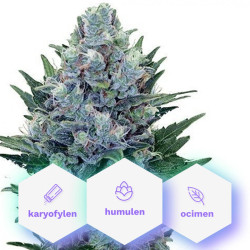
Humulene has an aromatic profile that combines earthy, spicy, and woody notes. Besides its presence in cannabis, this terpene occurs naturally in cloves, sage, and black pepper.
A notable characteristic of humulene is its ability to modulate appetite, which has sparked interest in weight-control research. Like other terpenes, it exhibits well-documented anti-inflammatory, analgesic, and antibacterial properties.
The Entourage Effect: Molecular Synergy
The concept of the entourage effect describes how terpenes interact synergistically with cannabinoids and other compounds present in cannabis. This complex interaction can enhance and modulate the effects of individual cannabinoids, creating unique effect profiles for each genetics.
Current research suggests that terpenes not only contribute to characteristic aromas but also play an active role in modulating therapeutic effects. This understanding has driven the development of specific terpene profiles for targeted therapeutic applications.
Future Prospects in Terpene Research
Research into terpenes continues to expand, with studies exploring their applications in personalized medicine and targeted therapies. Advances in analytical techniques make it possible to characterize the complex terpene profiles of different genetics with greater precision.
A deep understanding of these aromatic compounds opens new possibilities for developing specific therapeutic formulations, where selecting particular terpenes can optimize the desired therapeutic outcomes. This scientific approach promises to revolutionize the way we understand and apply the therapeutic potential of cannabis.