


 English (English)
 Deutsch (German)
 Čeština (Czech)
 Italiano (Italian)
 Hrvatski (Croatian)
 Română (Romanian)
 български език (Bulgarian)
 Magyar (Hungarian)
 Español (Spanish)
 Français (French)
 Nederlands (Dutch)
 Polski (Polish)
 Slovenčina (Slovak)


The world of cannabis genetics has experienced exponential growth in interest in cannabidiol (CBD), especially in relation to the study of neurodegenerative conditions such as Alzheimer's. For cannabis seed collectors, understanding the chemical profiles and genetic properties of CBD-rich varieties represents a fascinating area of research.
Genetic Characteristics of CBD-Rich Cannabis Material
Collectible seeds with high CBD content present unique chemical profiles that distinguish them from other genetics. These varieties have been specifically developed to maximize cannabidiol production while maintaining minimal THC levels. CBD, as the main component of these genetics, is part of a complex system of more than 100 different cannabinoids present in the cannabis genetic material.
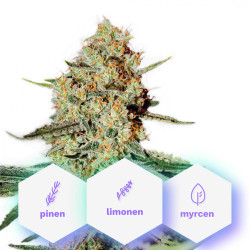
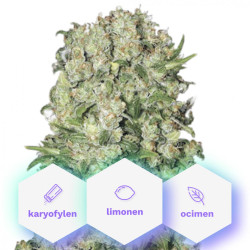
The terpene profiles of these varieties typically include myrcene, limonene, pinene, and linalool, creating unique aromas ranging from citrus notes to more complex herbal fragrances. Each genotype presents distinctive characteristics in terms of molecular structure and chemical composition, which is especially interesting for scholars of cannabis genetics.
Molecular Properties and Chemical Composition
The human endocannabinoid system interacts with the cannabinoids present in these genetics in a specific way. CBD is characterized by its molecular structure C21H30O2, which confers antioxidant and neuroprotective properties documented in multiple scientific studies.
CBD-rich collectible varieties typically present the following chemical characteristics:
- CBD concentrations that can reach between 15-25% in the genetic material
- THC:CBD ratios typically 1:20 or even lower
- Complex terpene profiles with a predominance of terpenes with relaxing properties
- Presence of minor cannabinoids such as CBG, CBC, and CBN in variable proportions
Scientific Research and Documented Studies
Scientific research has shown that CBD possesses significant neuroprotective properties. Studies have identified three main mechanisms through which these genetics could be beneficial:
Antioxidant Properties
CBD-rich genetics are known for their exceptional antioxidant profiles. The cannabidiol present in these varieties acts as a potent natural antioxidant, protecting cells against damage caused by free radicals. This characteristic makes these genetics particularly valued by collectors interested in cannabis chemistry.
Anti-inflammatory Characteristics
The anti-inflammatory profile of CBD is another of the most studied properties of these specialized genetics. The cannabinoids present in these varieties interact with the CB1 and CB2 receptors of the endocannabinoid system, modulating inflammatory responses at the cellular level.
Neural Stimulation
Research suggests that genetics with high CBD content may promote neurogenesis and protect existing synaptic connections. These neuroplastic properties make the study of these varieties especially relevant for neuroscientific research.
Alzheimer's Symptoms and Relevant Genetic Profiles
To better understand the relevance of these genetics in Alzheimer's research, it is important to know the main symptoms of this neurodegenerative condition:
- Mood alterations that may include episodes of agitation
- Progressive temporal and spatial disorientation
- Memory impairment in the short and long term
- Difficulties in daily tasks and loss of autonomy
- Communication problems and verbal expression
The 7 stages of Alzheimer's are characterized by a gradual progression of these symptoms, from subtle changes to severe deterioration of cognitive functions.
Diagnostic Methods and Therapeutic Approaches
Alzheimer's diagnosis involves a comprehensive evaluation that includes detailed clinical history, family history, and lifestyle assessment. Medical professionals use various diagnostic tools:
Brain imaging techniques such as computed tomography (CT) and magnetic resonance imaging (MRI) allow visualization of structural changes in brain tissue. Laboratory analyses include blood and urine tests to rule out other conditions. Neuropsychological assessments examine temporal and spatial orientation and basic cognitive functions.
Advantages of CBD in Neurological Research
Unlike traditional pharmacological treatments such as Donepezil or Rivastigmine, CBD-rich genetics offer superior safety profiles. CBD does not produce significant side effects and presents multiple beneficial mechanisms of action.
Conventional antidepressants used to manage symptoms such as anxiety, depression, or agitation often come with undesirable side effects. In contrast, the natural properties of CBD suggest a more holistic approach to neurological wellness.
Prevention and Lifestyle
Alzheimer's prevention involves multiple lifestyle factors. Stress management, maintaining adequate rest routines, and a diet rich in natural antioxidants constitute fundamental pillars of prevention.
CBD-rich cannabis genetics provide a natural source of cannabinoids and terpenes that complement an antioxidant diet. These natural compounds work synergistically to protect brain cells from oxidative damage.
For cannabis seed collectors, the study of these specialized genetics represents a unique opportunity to explore the intersection between advanced botany and contemporary neuroscientific research.