


 English (English)
 Deutsch (German)
 Čeština (Czech)
 Italiano (Italian)
 Hrvatski (Croatian)
 Română (Romanian)
 български език (Bulgarian)
 Magyar (Hungarian)
 Español (Spanish)
 Français (French)
 Nederlands (Dutch)
 Polski (Polish)
 Slovenčina (Slovak)
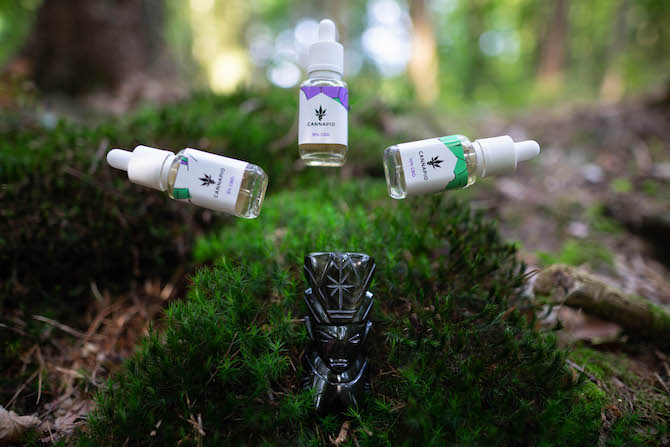



In short: CBD extract is obtained from dried, ground hemp biomass through supercritical CO2 extraction, natural solvents such as ethanol or plant oils, or hydrocarbons like butane and propane. Flowering lasts 10 to 16 weeks before harvest and drying. Hydrocarbon extraction can reach the highest cannabinoid purity, up to 95%.
| Flowering period | 10-16 weeks |
|---|---|
| Drying humidity | 58-60% relative humidity |
| Drying duration | about 30 days |
| Hydrocarbon extraction purity | up to 95% |
CBD extraction is a complex and fascinating process that transforms the genetic material of our collector's seeds into concentrated extracts. Understanding these extraction methods helps us appreciate the richness of the aromatic profiles and the chemical complexity of the different genetics available in our catalog of collector's seeds.
The journey of the plant material before extraction
Before getting into the extraction techniques themselves, it's worth understanding the full journey of the genetic material. It all begins with the careful selection of collector's seeds with specific cannabinoid profiles, particularly those rich in CBD.
Development and maturation of the genetic material
Genetics selected for their CBD potential need optimal development to fully express their characteristics. Cloning makes it possible to faithfully reproduce the properties of an exceptional mother plant, ensuring consistency of chemical profiles. This technique preserves the desired genetic traits, particularly high CBD concentrations and distinctive terpene profiles.
Starting directly from collector's seeds introduces natural genetic variability that can influence the final cannabinoid levels. Each seed has its own unique genetic potential, which is why the initial selection matters so much.
Development phases and harvest
The flowering period, generally lasting 10 to 16 weeks, is the crucial phase in which cannabinoids accumulate in the trichomes. This length varies depending on the genetics: indica-dominant varieties tend toward shorter cycles, while sativas need more time to reach optimal maturity.
The drying process that follows requires special attention. The buds are hung in a controlled environment maintaining a relative humidity of 58-60%. This step allows the chlorophyll to break down while preserving the integrity of the cannabinoids and terpenes.
After around 30 days of drying, the plant material is ground to obtain a biomass with a consistency similar to ground coffee. This biomass is the raw material used for the various extraction methods.
The main CBD extraction techniques
The extraction industry has developed several approaches for isolating CBD from plant material. Each method has its own specific advantages and directly influences the quality of the final product.
Supercritical CO2 extraction
This technique uses carbon dioxide under high pressure to separate the cannabinoids from the plant matrix. Supercritical CO2 combines the properties of a liquid and a gas, allowing for selective and efficient extraction.
Advantages of this method:
- Complete absence of residual solvents in the final product
- Ability to selectively extract specific cannabinoids (CBD, CBG, CBN)
- Optimal preservation of terpenes and aromatic profiles
- High operational safety compared to flammable solvents
- CO2 can be reused, reducing operating costs
Disadvantages:
- Significant initial investment in specialized equipment
- Requires in-depth technical expertise
This method produces premium-quality extracts, which explains why high-end manufacturers favor it. The purity achieved highlights the complex terpene profiles of the best genetics.
Natural solvent extraction
Using food-grade ethanol or vegetable oils (olive, coconut) is a more accessible approach to CBD extraction. These natural solvents effectively dissolve the cannabinoids while remaining safe for consumption.
Strengths:
- Lower entry cost and a simpler process
- Health safety of the solvents used
- Extraction of the full cannabinoid spectrum
Limitations:
- Possible co-extraction of chlorophyll, which affects the taste
- Generally lower CBD concentrations
- Difficulty fully removing the solvent
Despite these limitations, this method is perfectly suited to certain applications where maximum concentration isn't the priority.
Hydrocarbon extraction
Butane and propane are particularly effective solvents for dissolving cannabinoids. Their low boiling point makes them easy to remove while preserving heat-sensitive compounds.
Benefits:
- Faster extraction than CO2
- High yields, with purity levels reaching 95%
- Full preservation of the terpene profile
- Complete extraction of the cannabinoid spectrum
Challenges:
- Risk of solvent residues requiring purification
- High flammability requiring secure facilities
- Significant investment in safety systems
Considerations on quality and purity
The quality of a CBD extract depends as much on the starting genetics as on the extraction method used. Collector's seeds selected for their CBD richness form the foundation of any quality extract.
Influence of genetic profiles
Each variety has a unique chemical signature, combining different cannabinoid ratios and terpene blends. CBD-dominant genetics often show relaxing profiles, while those balanced between CBD and CBG offer more complex characteristics.
Understanding these genetic profiles allows extractors to choose the method best suited to reveal the potential of each collector's seed. A genetic rich in delicate terpenes will benefit from a gentle extraction, while a robust variety can withstand more aggressive methods.
Modern extraction is like a scientific art form where technical mastery meets botanical understanding. This synergy makes it possible to transform the genetic potential contained in our collector's seeds into extracts that reveal the full aromatic and chemical complexity of hemp.