


 English (English)
 Deutsch (German)
 Čeština (Czech)
 Italiano (Italian)
 Hrvatski (Croatian)
 Română (Romanian)
 български език (Bulgarian)
 Magyar (Hungarian)
 Español (Spanish)
 Français (French)
 Nederlands (Dutch)
 Polski (Polish)
 Slovenčina (Slovak)


The collectible hemp industry constantly reveals new fascinating aspects of plant chemistry. Among the most remarkable innovations is the use of MCT oil as a carrier for cannabinoids. This particular lipid base radically transforms the approach to formulating hemp extracts intended for collectors passionate about rare genetics.
MCT oil represents much more than a simple excipient. It is a sophisticated vector optimizing the bioavailability of active compounds present in our collectible seeds once transformed into extracts. This synergy between specialized lipids and phytocannabinoids perfectly illustrates the biochemical complexity of cannabis as exceptional genetic material.
Molecular structure of medium-chain triglycerides
Medium-chain triglycerides (MCTs) stand out for their unique molecular architecture. Unlike conventional fatty acids composed of 13 to 21 carbon atoms, MCTs have a chain of only 6 to 12 atoms. This particular configuration directly influences their metabolism and transport properties.
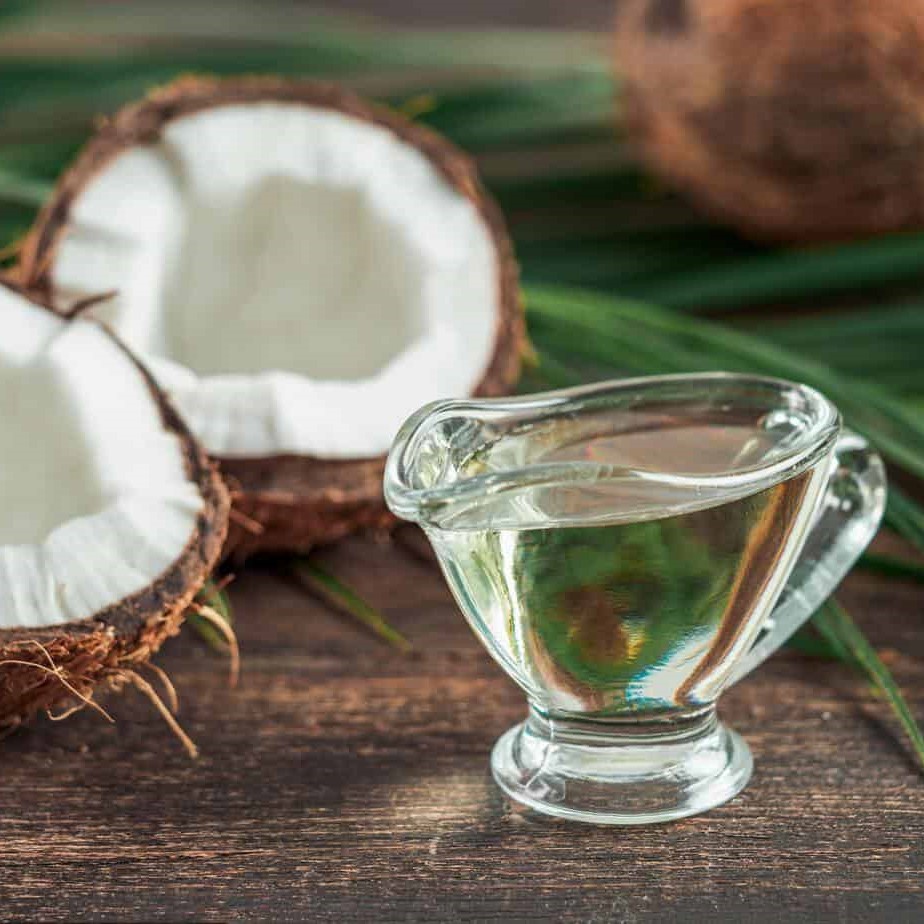
Coconut oil is the richest natural source of MCTs, with nearly two-thirds of its lipid composition belonging to this category. Other plant sources such as palm kernel oil, dairy products, or avocado also contain these valuable fatty acids, but in smaller proportions.
This structural specificity gives MCTs exceptional solubilizing properties for lipophilic cannabinoids. CBD, CBG, and other active compounds find in this lipid matrix an optimal environment to preserve their molecular integrity and stability over time.
Absorption mechanism and bioavailability
The bioavailability of cannabinoids closely depends on the vehicle used for their transport. MCTs excel in this area thanks to their particular metabolic pathway. Unlike traditional lipids, they travel directly to the liver via the portal circulation, thus bypassing the lymphatic system.
This direct absorption offers considerable advantages for the study of cannabinoid profiles. Researchers and collectors can thus analyze the genetic characteristics of their samples more precisely, because active compounds better retain their original structure.
MCTs also promote the formation of ketones, alternative metabolites to glucose. This process, called ketogenesis, positively influences energy metabolism and could explain certain theoretical properties attributed to hemp varieties rich in specific cannabinoids.
Applications in the preservation of genetic material
The use of MCT oil in hemp extracts is not a coincidence. This lipid base offers remarkable preservative properties for maintaining the integrity of the terpene and cannabinoid profiles characteristic of each variety.
For collectors of feminized seeds, understanding these biochemical interactions significantly enriches the appreciation of genetic differences between cultivars. Each genetic lineage expresses a unique molecular profile, better preserved thanks to the stabilizing properties of MCTs.
Stability of aromatic terpenes
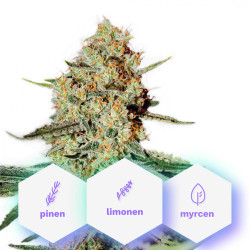
The terpenes responsible for the distinctive aromatic profiles of each variety are particularly sensitive to oxidation. MCT oil creates a protective environment limiting this degradation, allowing collectors to study the authentic olfactory nuances of their preferred genetics.
This preservation proves crucial for the comparative analysis of different lineages. Indica, sativa, and hybrid varieties present characteristic terpene signatures that only optimal conservation allows to fully appreciate.
Preservation of minor cannabinoids
Beyond the majority CBD, hemp extracts contain a constellation of minor cannabinoids with fascinating properties. CBG, CBN, CBC, and other compounds are better maintained in an MCT matrix, offering a more complete overview of the genetic potential of each variety.
This molecular richness illustrates the sophistication of cannabis biosynthetic mechanisms. Each cultivar develops its own cannabinoid balance, a direct reflection of its genetic heritage and the expression of its specific genes.
Research perspectives and theoretical applications
The study of interactions between MCT and phytocannabinoids opens fascinating perspectives for understanding hemp chemistry. Current research suggests complex molecular synergies influencing the stability and properties of extracts.
For enthusiasts of rare genetics, these discoveries enrich the scientific approach to their collection. Understanding how different carriers influence the expression of genetic traits allows a more nuanced appreciation of varietal specificities.
The future of cannabinoid research is moving toward an increasingly precise characterization of molecular profiles. MCT oil, as an optimal vector, participates in this pursuit of scientific excellence applied to the genetic heritage of hemp.
This technical approach demonstrates that cannabis seed collection transcends the simple hobby to become an authentic scientific passion, where every biochemical detail contributes to the overall understanding of this exceptional plant species.