


 English (English)
 Deutsch (German)
 Čeština (Czech)
 Italiano (Italian)
 Hrvatski (Croatian)
 Română (Romanian)
 български език (Bulgarian)
 Magyar (Hungarian)
 Español (Spanish)
 Français (French)
 Nederlands (Dutch)
 Polski (Polish)
 Slovenčina (Slovak)

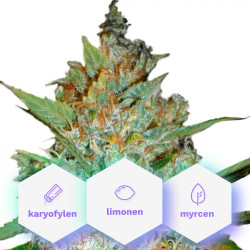

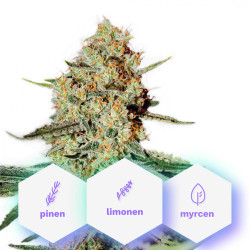
The landscape of current collector cannabis genetics has evolved considerably since the strains cultivated in past decades. Modern collector seeds display completely different chemical profiles than those from the 1960s, when this plant began gaining worldwide recognition. This evolution has produced a broad spectrum of genetics with unique properties, some with documented therapeutic properties and others with cannabinoid profiles that require deeper analysis from a scientific perspective.
Analysis of the main cannabinoids: THC and CBD
Cannabidiol (CBD) and tetrahydrocannabinol (THC) are the most well-researched cannabinoids found in the genetic material of cannabis. From a molecular standpoint, these two substances are the most relevant components for understanding the properties of any collector strain. THC stands out as a psychoactive cannabinoid, while CBD exhibits no psychoactive effects, which explains why the latter poses no risk of dependence or overdose.
The properties of cannabidiol have been widely recognized in the therapeutic field, as it acts as a modulator of THC's effects, helping to balance the aromatic and chemical profile of the genetics. This synergistic interaction between cannabinoids is known as the "entourage effect" and is fundamental to understanding the specific properties of each collector seed strain.
Genetics are divided into two main categories based on their composition: industrial hemp and strains with higher THC concentrations. Industrial hemp, often also referred to as "medicinal cannabis," maintains THC levels below 0.3%, while other genetics can exhibit significantly higher concentrations. CBD-based products are typically derived from industrial hemp, which also finds applications in the textile industry, construction, and rope manufacturing.
Evolution of the cannabinoid profile in modern genetics
Both cannabinoids interact with the human endocannabinoid system, however, through different mechanisms of action. Despite having the same molecular formula - 30 hydrogen atoms, 21 carbon atoms, and 2 oxygen atoms - their spatial arrangement determines completely different properties. This structural similarity to natural endocannabinoids allows them to act as regulators of the system, facilitating the release of brain neurotransmitters responsible for cell communication.
Contemporary collector seed genetics exhibit remarkably different chemical profiles compared to their predecessors. Two decades ago, most strains contained between 2-4% THC, while by 2013 there were already genetics with 25% of this cannabinoid. Today, it is possible to find genetic material with THC concentrations exceeding 30%, demonstrating a radical transformation in the chemical composition of collector cannabis.
This development is mainly due to growing demand and more liberal policies in certain jurisdictions. However, what implications do these changes have from a scientific perspective? Given that THC is a psychoactive substance, it is appropriate to examine the research findings that address these questions.
2020 Research: High-THC cannabis and anxiety disorders
Tetrahydrocannabinol as the main psychoactive component of cannabis may play a relevant role in mental health, as various experimental studies show. Some studies suggest that elevated concentrations can impair memory and trigger transient psychotic reactions. Interestingly, genetics with higher THC content are often found in regions where cannabis remains illegal.
A British study on psychosis, published in May, showed that individuals who reported a preference for THC-rich strains had double the risk of developing psychotic disorders. Regular use of potent genetics increases the association with the onset of mental illness, establishing a correlation that deserves scientific attention.
To date, there have been no comparable studies specifically examining the effects of these genetics on young populations. The results could be particularly valuable for legislators and clinical service providers. The research focused on British adolescents who use cannabis, aiming to investigate the links between the effects of different genetics and the problems arising from their use, including mental disorders and psychotic manifestations.
The study compared groups that preferred low-potency genetics with those who chose strains with high THC concentrations. This distinction made it possible to establish more precise correlations between the specific cannabinoid profile and the observed effects, providing valuable data to better understand the properties of these genetics from a strictly scientific perspective.
Implications for collectors and the scientific community
For cannabis seed collectors, these findings underscore the importance of understanding the unique chemical profiles of each genetics. Detailed knowledge of the cannabinoids, terpenes, and other compounds present in the genetic material allows for a deeper appreciation of the diversity and complexity of these collector strains.
The research also highlights the relevance of maintaining a scientific perspective when evaluating the properties of different genetics. Each strain exhibits a distinctive aromatic and chemical profile that reflects decades of selection and genetic development, representing a botanical heritage of inestimable value to collectors and researchers.
These studies contribute significantly to understanding how different cannabinoid concentrations define the specific properties of each genetics - essential information for any serious collector interested in the diversity and complexity of cannabis as a unique botanical species.