


 English (English)
 Deutsch (German)
 Čeština (Czech)
 Italiano (Italian)
 Hrvatski (Croatian)
 Română (Romanian)
 български език (Bulgarian)
 Magyar (Hungarian)
 Español (Spanish)
 Français (French)
 Nederlands (Dutch)
 Polski (Polish)
 Slovenčina (Slovak)
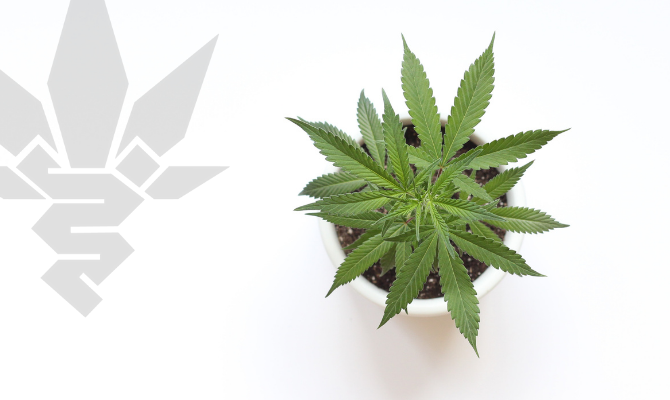



In the world of cannabis genetic preservation there is a fundamental principle that every collector should know: healthy roots are the foundation of a vigorous plant. This concept becomes especially relevant when it comes to preserving and studying the unique characteristics of the various collectible strains.
Understanding transplanting techniques not only helps to maintain healthy specimens for research and preservation purposes, but also makes it possible to fully appreciate the aroma profiles and chemical properties that make each genetic line unique.
The Importance of Transplanting for Genetic Preservation
When growing cannabis specimens for collecting or research purposes, the root system forms the vital heart of the plant. The growing roots constantly explore the substrate in search of nutrients, oxygen and water, which are needed to bring out the genetic potential of the strain to the fullest.
The most critical phenomenon to avoid is so-called "root binding". When the roots reach the walls of the container, they lose the ability to expand sideways and begin to develop in a circular pattern along the edge of the pot. This situation significantly impairs the vegetative phase and can negatively affect the expression of the cannabinoids and terpenes characteristic of the strain.
The symptoms of an impaired root system include slowed growth, wilting leaves or premature yellowing. These signs indicate that the roots are not receiving the right balance of oxygen, water and nutrients - elements that are essential for maintaining the genetic integrity of the specimen.
Why Overly Large Containers Should Be Avoided at the Beginning
A common mistake among beginner collectors is planting directly into large pots. Young plants thrive better in containers that match their size, as they can manage the ratio of oxygen, water and nutrients more efficiently when they are not surrounded by large amounts of moist substrate.
This gradual approach also makes it possible to better observe the development of the specific traits of the strain during the early growth phases.
Recognising the Right Time to Transplant
Determining the optimal time for transplanting requires attentive observation and knowledge of the developmental stages of cannabis. One effective method is to count the plant's nodes or internodes: in general, the first transplant takes place after the formation of the third node and the second after three more nodes.
However, there are several indicators that can guide this decision:
- Rapid drying of the substrate: If the soil dries out completely within 1-2 days after watering, this indicates a developed root system that has exhausted the available space
- Sudden slowdown in growth: A plant that was growing vigorously and then abruptly stops often needs more root space
- Symptoms of nutrient stress: apparent nutrient deficiencies may be due to lack of space rather than problems with the substrate
- Visible disproportion: when the plant looks clearly too large compared to the container
- Visible roots: with perforated pots or fabric pots, roots emerging from the holes or the fabric indicate the need for transplanting
Choosing the Ideal Container
The choice of pot type significantly influences the health of the root system. Smart fabric pots or aerated containers with side holes represent excellent options for preventing the formation of root spirals. The higher air permeability of these containers requires more frequent watering, but offers considerable advantages for root development.
Alternatively, many growers use buckets with drainage holes in the lower part, preferably in white, to reflect heat and maintain optimal root temperatures. Dark containers tend to absorb heat from the sun, which creates less favourable conditions for the roots.
Optimising Space for Different Genetics
The various collectible cannabis strains exhibit unique growth characteristics that influence their space requirements. Sativa strains, known for their complex terpene profiles and taller growth, generally require larger containers than Indica strains, which tend to develop more compactly.
When growing collectible specimens indoors, each plant should have enough space to develop its distinctive genetic characteristics. This includes not only root space, but also the leaf area needed for optimal photosynthesis.
Special Considerations for Certain Genetics
Autoflowering strains require a different approach to transplanting. Due to their accelerated life cycle, it is often preferable to plant them directly into the final container to avoid stress that could impair their time-limited development.
CBD-rich strains, increasingly valued for their therapeutic properties and unique cannabinoid profiles, benefit from a well-developed root system in order to express their characteristic chemical composition to the fullest.
Advanced Techniques and Final Considerations
Transplanting is a crucial moment for assessing the overall health of the specimen and making any adjustments to the nutrient regime. Observing the colour, density and smell of the roots provides valuable information about the condition of the plant and the quality of the substrate used.
White, fleshy roots indicate optimal health, while brown discolouration or unpleasant odours can point to problems requiring immediate intervention. During the transplanting process, the effectiveness of the drainage system can also be assessed and improved if necessary.
For serious collectors, documenting the growth process of each strain, including the transplanting times and the plant's reactions, creates a valuable data foundation for future cultures and for understanding the specific characteristics of each preserved genetic line.
When transplanting is carried out correctly and at the right time, it is not merely a maintenance measure, but also an opportunity to deepen the knowledge of the various cannabis strains and to preserve their unique characteristics in the best possible way for future generations of researchers and collectors.