


 English (English)
 Deutsch (German)
 Čeština (Czech)
 Italiano (Italian)
 Hrvatski (Croatian)
 Română (Romanian)
 български език (Bulgarian)
 Magyar (Hungarian)
 Español (Spanish)
 Français (French)
 Nederlands (Dutch)
 Polski (Polish)
 Slovenčina (Slovak)
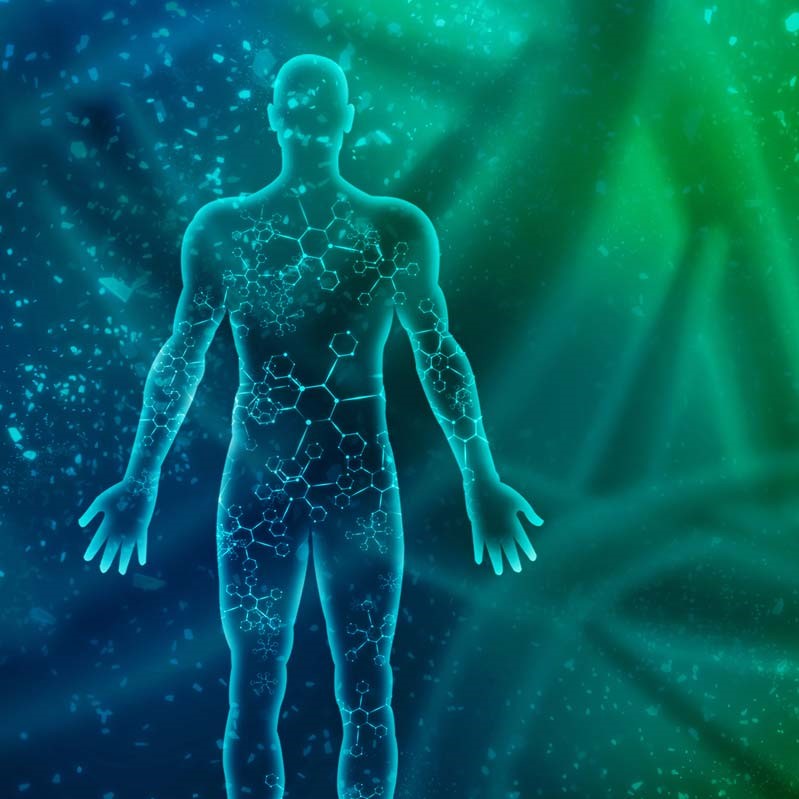



The endocannabinoid system (ECS) is named after the plant that led to its discovery in the 1990s. Since that time, nearly three decades of ongoing research constantly reveal new information about how this natural internal mechanism influences human health and that of other vertebrates. While the cannabinoids present in cannabis collectible seeds are recognized for their theoretical properties on the ECS, today there are many other natural approaches to support the proper functioning of this complex system.
Understanding the endocannabinoid system
Initial research assumed that endocannabinoid receptors were located only in the brain and nerves. However, scientists later discovered their presence throughout the entire human body: the skin, immune cells, liver, bones, pancreas, adipose tissue, heart, blood vessels, kidneys, digestive system, and many other structures. In every part of the body traversed by this receptor network, the ECS performs its function, the primary and common one being homeostasis, the maintenance of a stable internal environment at the cellular level, despite external influences and environmental changes.
Endocannabinoids (produced naturally by our body) and phytocannabinoids (external compounds) act on multiple levels, allowing their distinct functions to complement each other as needed. An in-depth study of this topic reveals fascinating connections between the mental state and overall health. Cannabinoids also participate in neurogenesis, the process by which new neurons are formed in the brain.
The ECS can be divided into three fundamental components:
- Endocannabinoid receptors are distributed throughout the body and constitute the most extensive and sophisticated receptor system ever discovered. The two main receptors are CB1 and CB2, the first being primarily located in the central nervous system, while CB2 is found mainly in the immune system.
- Endocannabinoids are substances naturally synthesized by our body to stimulate endocannabinoid receptors. The most significant are anandamide and 2-arachidonoylglycerol (2-AG), involved in regulating mood, appetite, fertility, and pain perception.
- Enzymes are responsible for breaking down endocannabinoids after they have fulfilled their role, including FAAH (fatty acid amide hydrolase) and MAGL (monoacylglycerol lipase).
Diet and the endocannabinoid system
Omega essential fatty acids
Omega-3 and omega-6 fatty acids constitute a group of essential fatty acids for which the proper balance is crucial for optimal ECS function. Arachidonic acid participates in the formation of endocannabinoids, but excessively high levels can create an imbalance and promote inflammation. The modern Western diet often presents an unbalanced ratio of 1:10 between omega-3 and omega-6, while the optimal ratio would be 1:1.
Omega-3 fatty acids balance out omega-6, thereby contributing to proper ECS function. Their positive influence on the cardiovascular and neurological systems has been scientifically demonstrated. These essential fatty acids also strengthen the health of the skin, hair, and reproductive system.
Best sources of beneficial fatty acids for the ECS:
- Hemp seeds and oil (from collectible seeds)
- Walnuts
- Organic eggs enriched with omega-3
- Sardines, shellfish
- Flax seeds and oil
- Chia seeds
- Algae
Plant compounds
Several plants contain compounds that theoretically interact with the endocannabinoid system. Echinacea, for example, contains compounds that bind to CB2 receptors. Black pepper contains beta-caryophyllene, a terpene that selectively activates CB2 receptors. These botanical discoveries illustrate the complexity of interactions between the plant kingdom and our physiology.
Lifestyle approaches and the endocannabinoid system
Exercise and movement
Regular physical activity naturally stimulates the production of endocannabinoids. Endurance exercise, in particular, increases anandamide levels, often called the "bliss molecule". This natural production contributes to explaining the euphoria felt during sustained effort, a phenomenon traditionally attributed to endorphins.
Practices such as yoga, moderate running, swimming, and dancing promote this natural ECS activation. Regular exercise also improves receptor sensitivity, optimizing the entire system.
Stress management and relaxation techniques
Chronic stress disrupts ECS balance. Meditation, deep breathing, and relaxation practices naturally support ECS function. These techniques help regulate cortisol levels and promote homeostasis, creating a favorable environment for optimal endocannabinoid activity.
Environmental and social factors
Nature exposure
Spending time in nature triggers several physiological mechanisms beneficial to the ECS. Exposure to green spaces reduces cortisol and supports natural endocannabinoid production. The Japanese practice of shinrin-yoku, or forest bathing, has shown measurable positive effects on physiological balance.
Social connections and human contact
Positive social interactions also influence the endocannabinoid system. Kind physical contact, such as hugs, stimulates anandamide production. Fulfilling social relationships help maintain ECS balance through stress reduction and improved overall well-being.
These natural approaches offer a holistic perspective for understanding and supporting the endocannabinoid system. While cannabis seeds are collectible items and their study remains theoretical in many jurisdictions, these alternative methods demonstrate the richness of interactions possible with this complex physiological system, subject to applicable legislation in your country.