


 English (English)
 Deutsch (German)
 Čeština (Czech)
 Italiano (Italian)
 Hrvatski (Croatian)
 Română (Romanian)
 български език (Bulgarian)
 Magyar (Hungarian)
 Español (Spanish)
 Français (French)
 Nederlands (Dutch)
 Polski (Polish)
 Slovenčina (Slovak)
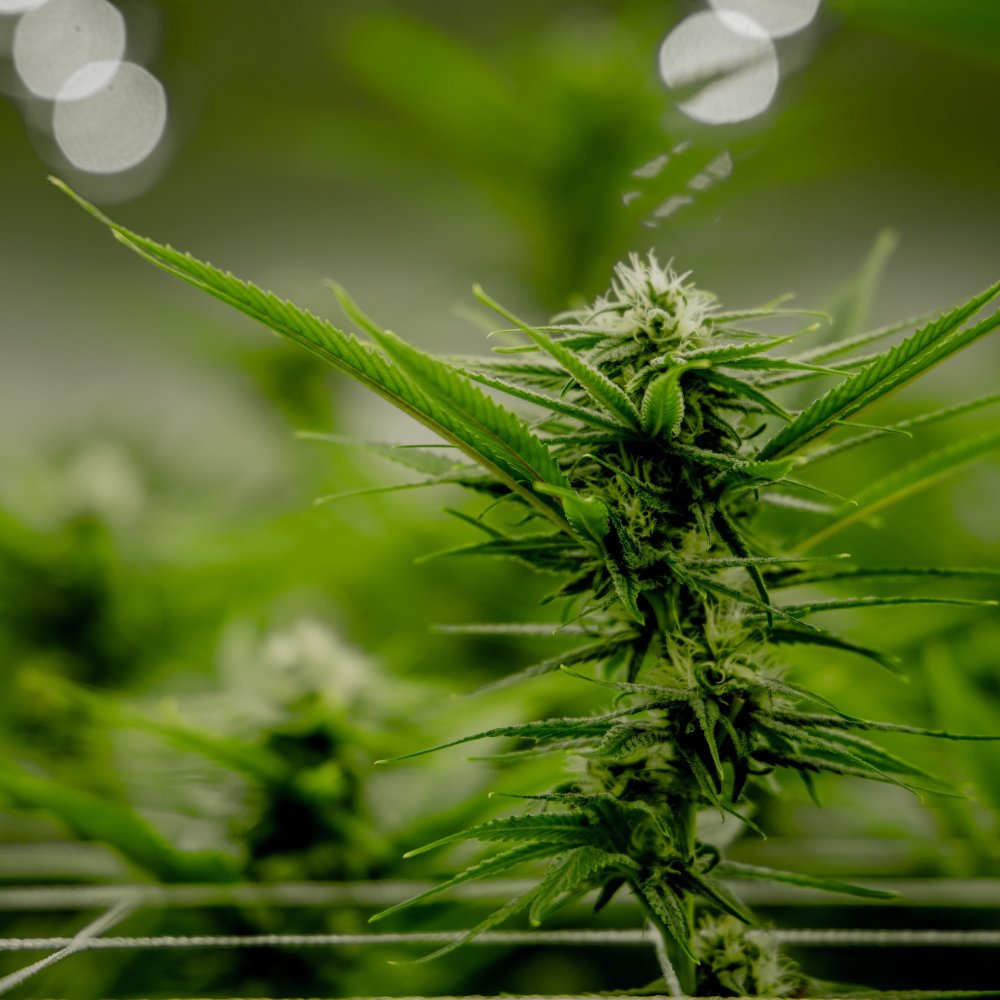


The legalization of cannabis in various countries has led to exponential growth in the production of this versatile plant. This development raises important questions about the ecological footprint of cannabis cultivation and its effects on our environment. While plants are essential for life on Earth, it is crucial to examine which environmental impacts accompany large-scale cannabis production.
Environmental aspects of cannabis production
The ecological footprint of cannabis cultivation is determined by various factors that need careful analysis. Energy consumption, water usage, and fertilizer application form the central points of this analysis. These factors not only affect the immediate environment but also have broader effects on the ecosystem.
In many countries, it is legal to cultivate hemp with a THC content of up to 0.3%. These CBD-rich genetics offer opportunities for sustainable production without the psychoactive properties of THC-rich varieties. For medical patients, there are regulatory exceptions that, under strict conditions, allow access to certain genetics.
Outdoor cultivation: natural production methods
Outdoor cannabis cultivation utilizes natural elements such as sunlight, rainwater, and seasonal growth patterns. This method offers numerous advantages in terms of environmental impact but also brings specific challenges.
Advantages of outdoor cultivation include:
- Minimal energy consumption by using natural sunlight
- Lower production costs due to reduced infrastructure
- Natural growing conditions that can strengthen terpene profiles
- Use of natural rainwater and soil micronutrients
Many growers believe that natural sunlight imparts unique properties that artificial lighting in cannabis cultivation cannot achieve. This belief is supported by research on the effects of full-spectrum light on cannabinoid production and terpene formation in cannabis plants.
In outdoor cultivation, autoflowering genetics can enable multiple cycles per year, while regular varieties are tied to natural seasonal cycles. These autoflowering genetics are independent of light periods and can therefore be used more flexibly.
Indoor cultivation: controlled environments
Indoor cannabis cultivation provides unprecedented control over growing conditions but also brings significant energy challenges. This method allows regulation of climatic factors such as temperature, humidity, and light.
Key aspects of indoor cultivation:
- Climate control for optimal growing conditions
- Protection from weather conditions and pests
- Possibility of multiple cultivation cycles per year
- Control of genetic expression and quality
The lighting system represents the heart of any indoor cultivation. High-pressure sodium lamps are increasingly being replaced by LED technology because they reduce energy consumption and heat emission. Modern LED systems can reduce energy consumption by 30 to 50% compared to conventional systems.
Sustainable innovations in cannabis production
Regenerative cultivation methods are increasingly popular in the cannabis industry. These approaches focus on restoring soil health and minimizing external inputs by using natural processes.
Innovative growers like Simon Evers consciously choose off-grid production methods: "I decided to grow cannabis off the artificial energy grid because I believe in self-sufficiency and community. Plants grown this way give me the greatest satisfaction."
Regenerative methods include:
- Use of living soil ecosystems rich in microorganisms
- Companion plants with supportive plant species
- Natural pest control strategies
- Composting and organic fertilization methods
Greenhouse cultivation: hybrid solutions
Greenhouse cultivation combines the advantages of both systems, using natural light while also allowing climate regulation. This method uses solar energy for heating and can extend the season without complete dependence on artificial lighting.
Modern greenhouses often integrate renewable energy technologies and rainwater collection systems, further reducing the ecological footprint. These systems can significantly reduce energy consumption compared to indoor cultivation.
Energy consumption and environmental impact
Research on legal cannabis markets shows that energy consumption represents the largest environmental impact factor in cannabis production. Indoor cultivation can account for 1-3% of total electricity consumption in some regions.
The carbon footprint of cannabis varies significantly depending on the production method:
- Outdoor cultivation: 0.5-2 kg CO2 per gram of product
- Greenhouse cultivation: 2-5 kg CO2 per gram of product
- Indoor cultivation (HPS): 8-15 kg CO2 per gram of product
- Indoor cultivation (LED): 4-8 kg CO2 per gram of product
Water consumption and efficiency
Water consumption is a critical factor in cannabis cultivation. Cannabis plants have relatively high water requirements, especially during the flowering phase when cannabinoid biosynthesis and terpene production increase. Drip irrigation systems and water recycling can significantly reduce overall consumption.
Advanced irrigation systems such as hydroponics and aeroponics enable more efficient use of water and nutrients. These technologies can reduce water consumption by up to 90% compared to traditional soil cultivation methods.
Environmental impact and sustainability
Research on legal cannabis markets shows that energy consumption represents the largest environmental factor in cannabis production. Indoor cultivation can constitute a significant share of total electricity consumption in some regions.
The carbon footprint of cannabis varies considerably depending on the production method:
- Outdoor cultivation: 0.5-2 kg CO2 per gram of product
- Greenhouse cultivation: 2-5 kg CO2 per gram of product
- Indoor cultivation (HPS): 8-15 kg CO2 per gram of product
- Indoor cultivation (LED): 4-8 kg CO2 per gram of product
Innovations in sustainable cultivation
Regenerative cultivation methods are increasingly popular in the cannabis industry. These methods focus on restoring soil health, increasing biodiversity, and reducing external inputs through natural processes.
Innovative growers like Simon Evers consciously choose off-grid cultivation methods: "I chose to grow off the artificial grid because I believe in self-sufficiency and respect for nature. Plants grown this way provide the greatest satisfaction and the purest cannabinoid profile."
Regenerative methods include:
- Use of living soils rich in microorganisms
- Planting companion plants that support cannabis health
- Natural pest control methods without synthetic chemicals
- Composting and organic fertilization to close the nutrient cycle
Energy consumption and environmental impact
Research on legal cannabis markets such as California shows that energy consumption represents the largest environmental impact factor in cannabis production. Indoor cultivation can account for 1-3% of total electricity consumption in some regions.
The carbon footprint of cannabis varies significantly depending on the production method:
- Outdoor cultivation: 0.5-2 kg CO2 per gram of product
- Greenhouse cultivation: 2-5 kg CO2 per gram of product
- Indoor cultivation (HPS): 8-15 kg CO2 per gram of product
- Indoor cultivation (LED): 4-8 kg CO2 per gram of product
The future of sustainable cultivation
The cannabis industry is on the threshold of a sustainability revolution. New technologies such as artificial intelligence for optimizing resource consumption and the development of new genetic lines promise significant reductions in the ecological footprint.
Certification programs for sustainable cultivation are becoming increasingly widespread around the world. These programs reward growers who implement environmentally friendly practices and encourage transparency throughout the production chain.
The future of cannabis cultivation lies in the integration of traditional knowledge with modern technologies, where the natural cycle of the plant is respected while simultaneously using innovative solutions to reduce environmental impact. Choosing the right genetic lines, such as autoflowering varieties that require less time and resources, can further contribute to sustainability.
For those who wish to explore more about sustainable cultivation practices, the cannabis growing guide provides detailed information on environmentally friendly methods. Additionally, the introduction to cannabis cultivation offers basic guidelines for beginners who want to start with sustainable practices.
It is important to note that cannabis cultivation must be carried out in accordance with the applicable laws in your country. In many jurisdictions, cannabis seeds are treated as collectible items, and cultivation is only permitted for scientific and research purposes. Always check local regulations before starting cultivation.