


 English (English)
 Deutsch (German)
 Čeština (Czech)
 Italiano (Italian)
 Hrvatski (Croatian)
 Română (Romanian)
 български език (Bulgarian)
 Magyar (Hungarian)
 Español (Spanish)
 Français (French)
 Nederlands (Dutch)
 Polski (Polish)
 Slovenčina (Slovak)
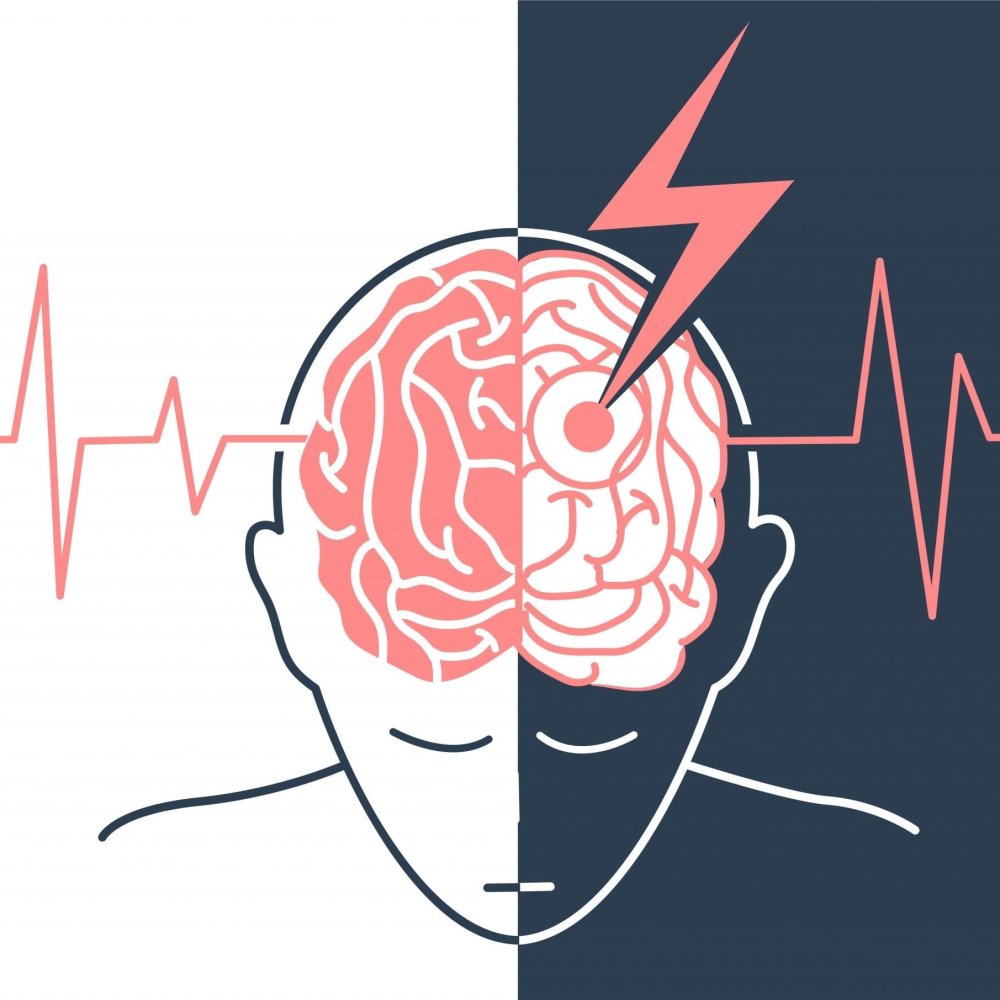



CBD against stroke: A therapeutic hope
Stroke is one of the leading causes of disability and death worldwide. This serious neurological condition, which occurs when blood flow to the brain is suddenly interrupted, affects millions of people every year. In light of this medical emergency, cannabidiol (CBD) is proving to be a molecule with remarkable neuroprotective properties, opening up new perspectives for the prevention and therapeutic support of stroke.
Current scientific research is shedding light on the extraordinary capabilities of this non-psychoactive cannabinoid, which occurs naturally in cannabis collector seeds. This work suggests that CBD could revolutionize our approach to neurological medicine, particularly in the field of cerebrovascular disease.
Understanding the mechanisms of stroke
A stroke is characterized by the sudden interruption of blood supply to a region of the brain, depriving neurological tissue of oxygen and vital nutrients. This critical situation triggers a cascade of destructive processes: after just six minutes, neurons already begin to die irreversibly. Every minute of a stroke results in the death of nearly 1.9 million brain cells.
Ischemic stroke: the most common form
This form accounts for about 85% of all strokes and arises from the blockage of a brain blood vessel. The blockage can be caused by a thrombus (a blood clot formed locally) or an embolus (a blood clot that has traveled from another part of the body). Risk factors include high blood pressure, diabetes, high cholesterol, smoking, lack of physical activity and cardiovascular disease.
Hemorrhagic stroke: rarer, but more severe
This variant, while less common (15% of cases), generally has a worse prognosis. It occurs when an intracranial blood vessel ruptures, causing bleeding that compresses the surrounding brain structures. The bleeding can be intracerebral (directly within brain tissue) or subarachnoid (in the space surrounding the brain).
The neuroprotective potential of cannabidiol
CBD's therapeutic properties in relation to stroke are based on several complex mechanisms of action. This cannabinoid interacts with the endocannabinoid system, a complex network of receptors and neurotransmitters present throughout the body and particularly concentrated in the central nervous system.
Anti-inflammatory and antioxidant effects
Neurological inflammation following a stroke is a major factor that worsens brain damage. CBD shows strong anti-inflammatory properties and can modulate the local immune response as well as reduce the production of pro-inflammatory cytokines. At the same time, its antioxidant abilities help neutralize free radicals responsible for oxidative stress - a particularly damaging phenomenon during ischemic episodes.
Neuroprotection and neurogenesis
Preclinical studies show that CBD can promote neuron survival, particularly in areas surrounding the lesion, thereby limiting the spread of brain damage. Even more remarkably, this cannabinoid appears to stimulate neurogenesis - the formation of new neurons - a crucial process for functional recovery after a stroke.
Clinical implications and future prospects
Current research is exploring various possible applications of CBD in relation to stroke. In the acute phase, early administration could, thanks to the molecule's neuroprotective properties, limit the spread of ischemic damage. In the chronic phase, CBD could facilitate functional recovery by promoting brain plasticity and the formation of new synaptic connections.
A favorable pharmacological profile
Unlike THC, CBD shows no psychoactive effects whatsoever, making it a particularly attractive therapeutic candidate. Its excellent tolerability profile and the absence of significant side effects are considerable advantages, especially for older patients, who are frequently affected by strokes.
CBD-rich genetics are the subject of in-depth studies aimed at understanding the biosynthesis mechanisms of this valuable cannabinoid. This botanical and genetic research helps expand our knowledge of the therapeutic properties of different cannabis varieties for scientific collecting purposes.
Symptom recognition and the importance of acting quickly
Early recognition of stroke signs remains the decisive factor for prognosis. Characteristic symptoms include asymmetric facial paralysis, weakness in one arm, speech difficulties, vision problems, sudden loss of balance, or even sudden severe headaches.
The acronym FAST (Face-Arm-Speech-Time) helps people remember the warning signs: facial asymmetry (Face), arm weakness (Arm), speech difficulties (Speech), and time urgency (Time). Every minute counts, as it determines the extent of the later neurological aftereffects.
In this medical emergency context, research into the neuroprotective properties of CBD is opening up promising therapeutic perspectives that could change the treatment of stroke in the near future.