


 English (English)
 Deutsch (German)
 Čeština (Czech)
 Italiano (Italian)
 Hrvatski (Croatian)
 Română (Romanian)
 български език (Bulgarian)
 Magyar (Hungarian)
 Español (Spanish)
 Français (French)
 Nederlands (Dutch)
 Polski (Polish)
 Slovenčina (Slovak)
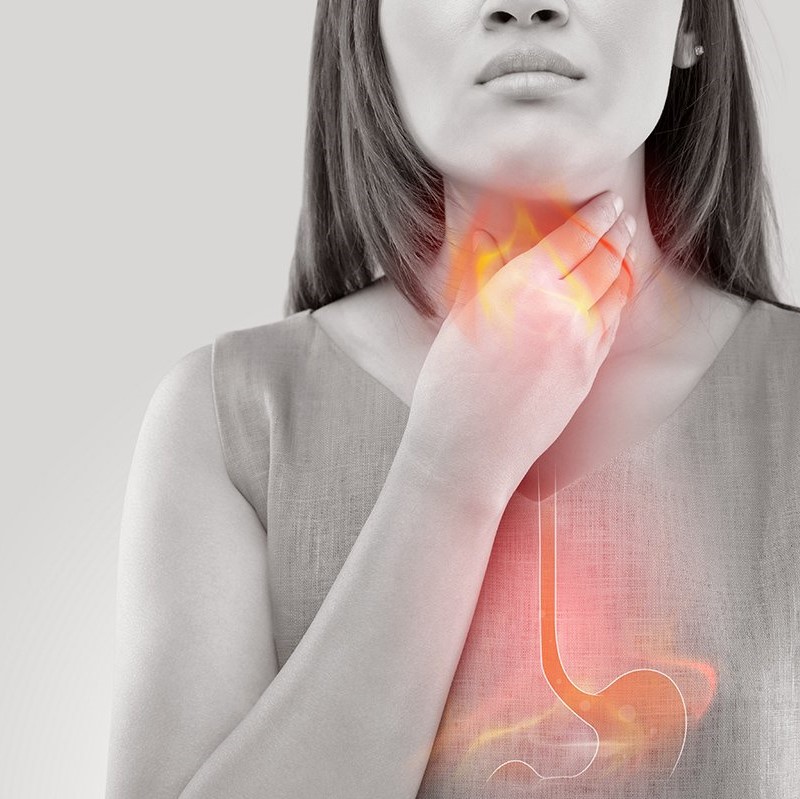



You are certainly familiar with that unpleasant sensation: after an excellent family Sunday lunch, a burning pain suddenly rises into your throat. Gastroesophageal reflux, commonly called heartburn, affects almost everyone, regardless of age. Although many medications and tips exist to treat this health issue, they often prove ineffective or cause undesirable side effects. According to recent research and user testimonials, CBD could offer a promising approach to alleviating certain symptoms related to heartburn.
Understanding the mechanisms of gastroesophageal reflux
Gastroesophageal reflux disease (GERD) is characterized by the rise of stomach acids from the stomach into the esophagus. This phenomenon results from a dysfunction of the lower esophageal sphincter or gastric irritation, causing that characteristic burning and acidic sensation in the chest area. Although temporary in some people, this condition can become chronic in others.
Hiatal hernia: an anatomical cause
This anatomical abnormality occurs when the upper part of the stomach rises above the diaphragm - the muscle that normally separates the stomach from the chest cavity. Under normal conditions, the diaphragm helps keep gastric juices in their proper place. However, in the presence of a hiatal hernia, these acidic fluids can flow back into the esophagus, triggering the characteristic symptoms of reflux.
Reflux trigger factors
Diet represents the most significant external factor, particularly excessive consumption of fatty foods, citrus fruits, mint, chocolate, tomatoes, garlic, onions, or spicy dishes. The combination with certain beverages such as coffee, carbonated soft drinks, alcohol, or certain teas significantly worsens the situation. Adopting a lying position immediately after meals or bending forward can also trigger symptoms.
- Overweight and obesity
- Smoking
- Pregnancy
- Use of certain medications (ibuprofen, aspirin)
- Sedentary lifestyle
- Stress and anxiety
Clinical manifestations and complications
The most recognizable symptom remains the burning sensation in the chest and esophageal area. This discomfort can progress from a simple annoyance to intense pain rising to the base of the neck. Regurgitation is another concerning symptom, where acidic and bitter fluids rise into the throat or mouth, creating a particularly unpleasant experience for patients.
Other manifestations may accompany these main symptoms:
- Digestive disorders and bloating
- Persistent hiccups
- Bloody or black stools
- Nausea and vomiting
- Dysphagia - sensation of blockage in the throat
- Unexplained weight loss
- Gastric hyperacidity
Untreated reflux can lead to serious complications, including tissue damage caused by repeated exposure to stomach acids. Chronic reflux often causes loss of appetite that can progress to eating disorders, accompanied by nausea and dizziness. Some patients suffering from severe forms develop anxiety associated with depressive states.
Distinction between occasional reflux and GERD syndrome
A distinction should be made between occasional gastroesophageal reflux and GERD syndrome (Gastroesophageal Reflux Disease), which represents the chronic and severe form of this condition. Although both manifestations present similar symptoms, GERD syndrome is characterized by a frequency of more than two episodes per week. This chronic form is more frequently accompanied by regurgitation, where gastric fluids rise into the throat and mouth.
Conventional therapeutic approaches
Initial management involves identifying and avoiding trigger foods and beverages. Dividing meals into smaller portions helps prevent overeating. It is recommended to avoid any food consumption within two to three hours before bedtime, prioritizing hydration only.
Several behavioral strategies may prove beneficial:
- Reducing or completely stopping smoking
- Elevating the head during sleep
- Adopting a semi-seated position for naps
- Wearing loose clothing, avoiding tight belts
- Incorporating regular physical activity
- Reviewing medications with a healthcare professional
Available medication treatments
Healthcare professionals typically prescribe antacids that neutralize gastric hydrochloric acid. Among the commonly used options are Maalox, Gaviscon, or Rennie. When these first-line treatments prove insufficient, other therapeutic categories may be considered, including H2 receptor antagonists or proton pump inhibitors.
CBD: a promising complementary approach
Recent research suggests that CBD may present interesting properties in managing symptoms related to gastroesophageal reflux. This non-psychoactive cannabinoid, present in cannabis collector seeds, interacts with the endocannabinoid system, which regulates digestive functions among other things.
Scientific studies and user testimonials converge on the potential anti-inflammatory and gastroprotective properties of CBD. Certain cannabis genetics are particularly renowned for their CBD profile, such as the Charlotte's Web or Harlequin varieties, available in the form of collector seeds for European collectors.
It is essential to emphasize that any therapeutic approach must be discussed with a qualified healthcare professional, particularly in the context of the applicable legislation in your country, where the applicable regulation strictly governs the use of cannabis-derived products.