


 English (English)
 Deutsch (German)
 Čeština (Czech)
 Italiano (Italian)
 Hrvatski (Croatian)
 Română (Romanian)
 български език (Bulgarian)
 Magyar (Hungarian)
 Español (Spanish)
 Français (French)
 Nederlands (Dutch)
 Polski (Polish)
 Slovenčina (Slovak)
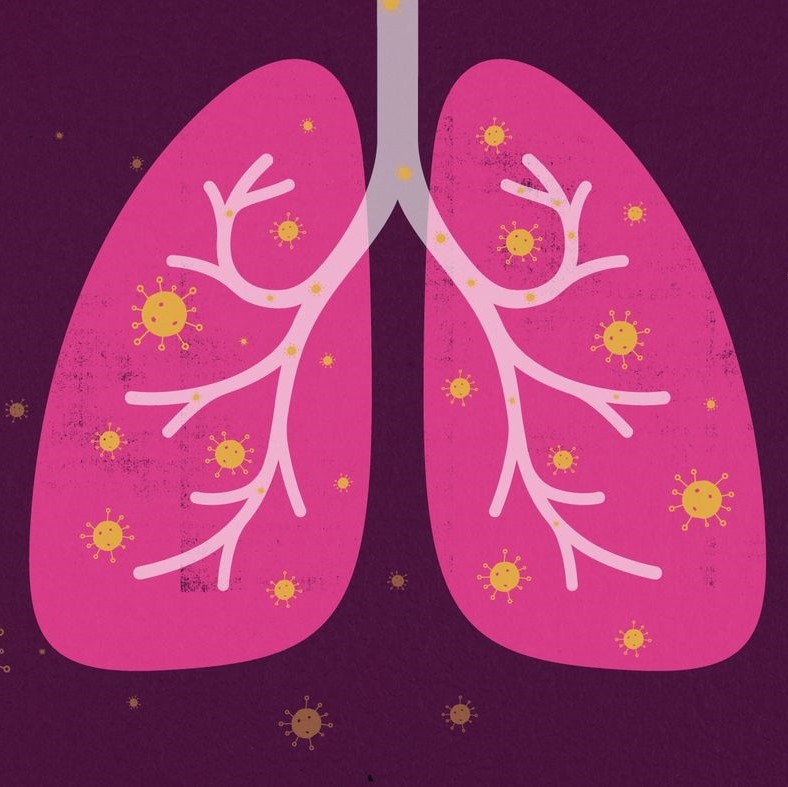



The COVID-19 pandemic has thrust acute respiratory distress syndrome (ARDS) to the forefront of global medical concerns. Faced with this health emergency, researchers are exploring new therapeutic avenues, and among them, a surprising discovery is emerging: THC (tetrahydrocannabinol), the main psychoactive cannabinoid found in cannabis collector seeds, could offer an unprecedented therapeutic solution against ARDS.
This revelation, stemming from rigorous scientific research conducted in 2020, is upending our understanding of the potential medical applications of the cannabinoids contained in cannabis genetic material. Let us examine in detail this revolutionary study that could redefine the therapeutic approach to ARDS.
Pharmacological properties of THC: beyond psychoactivity
THC is one of the most studied cannabinoids present in the collector seed varieties available from European specialists. This complex chemical compound, with the formula C₂₁H₃₀O₂, is not limited to its well-documented psychotropic effects. Modern cannabis genetics have made it possible to identify terpene and cannabinoid profiles with remarkable therapeutic properties.
Current research demonstrates that this cannabinoid possesses anti-inflammatory, analgesic, anticonvulsant, and antioxidant properties that are particularly interesting to the scientific community. These intrinsic characteristics of the molecule explain why certain THC-rich genetics are so prized by seed collectors.
Important: In France, possessing cannabis seeds is legal only for collection purposes. These seeds represent a valuable genetic heritage for scientific research and the preservation of cannabis biodiversity.
Mechanism of ARDS and cytokine storm
Acute respiratory distress syndrome constitutes a disproportionate inflammatory reaction of the body in response to a viral or bacterial infection. This pathology, also observed in severe COVID-19 patients, is characterized by a "cytokine storm" - a particularly dangerous overreaction of the immune system.
At the physiological level, this hyperreaction causes significant alveolar damage, pulmonary fluid accumulation, and critical impairment of gas exchange. The resulting hypoxemia (deficiency of oxygen in the blood) leads to potentially lethal multi-organ complications.
Currently, the mortality rate of ARDS approaches 40%, mainly due to the lack of effective specific therapies. Traditional corticosteroid treatments have significant limitations, particularly in COVID-19 patients where they can generate additional complications.
Revolutionary study from the University of South Carolina
In June 2020, a research team from the University of South Carolina in Columbia published spectacular results regarding the therapeutic use of THC in the treatment of ARDS. This preclinical study used a murine model of bacterial infection with Staphylococcus aureus enterotoxin B (SEB), known to trigger a cytokine storm similar to ARDS.
The experimental protocol divided the subjects into two groups: an infected control group without treatment, and a group receiving THC at therapeutic doses (20 mg/kg initially, then 10 mg/kg at 24h and 48h). These dosages correspond to the concentrations used in oncology to treat nausea and stimulate appetite.
The results obtained are remarkable: 100% mortality in the control group versus 100% survival in the THC-treated group. This exceptional efficacy is explained by the cannabinoid's ability to modulate the excessive inflammatory response characteristic of ARDS.
Anti-inflammatory mechanisms of action
Biochemical analysis reveals that THC exerts its beneficial effects through several complementary mechanisms. Firstly, this cannabinoid, present in certain feminized collector genetics, demonstrates a remarkable ability to regulate the production of pro-inflammatory cytokines.
Secondly, the immunosuppressive properties of THC make it possible to control the immune hyperactivation responsible for tissue damage. This fine modulation of the immune response constitutes a major therapeutic advantage compared to conventional anti-inflammatory approaches.
Thirdly, the improvement in pulmonary function observed suggests direct protective effects on the alveolar epithelium. This triple action - anti-inflammatory, immunomodulatory, and cytoprotective - positions THC as a particularly promising therapeutic candidate.
Therapeutic perspectives and clinical implications
This discovery opens up unprecedented therapeutic perspectives for the treatment of ARDS, particularly in the current pandemic context. Unlike previous studies that required preventive administration, this research demonstrates the efficacy of post-infectious treatment.
The clinical implications are considerable: having an effective molecule available after symptom onset represents a major therapeutic advantage for intensive care units. This widened intervention window could considerably improve the prognosis of patients in respiratory distress.
However, in-depth clinical studies remain necessary before any therapeutic application. Future research will need to determine optimal dosages, assess long-term safety, and confirm efficacy in humans.
In conclusion, this revolutionary study perfectly illustrates the exceptional therapeutic potential contained within the genetic heritage of cannabis collector seeds. It also underscores the importance of preserving this cannabis biodiversity for future medical innovations.