


 English (English)
 Deutsch (German)
 Čeština (Czech)
 Italiano (Italian)
 Hrvatski (Croatian)
 Română (Romanian)
 български език (Bulgarian)
 Magyar (Hungarian)
 Español (Spanish)
 Français (French)
 Nederlands (Dutch)
 Polski (Polish)
 Slovenčina (Slovak)
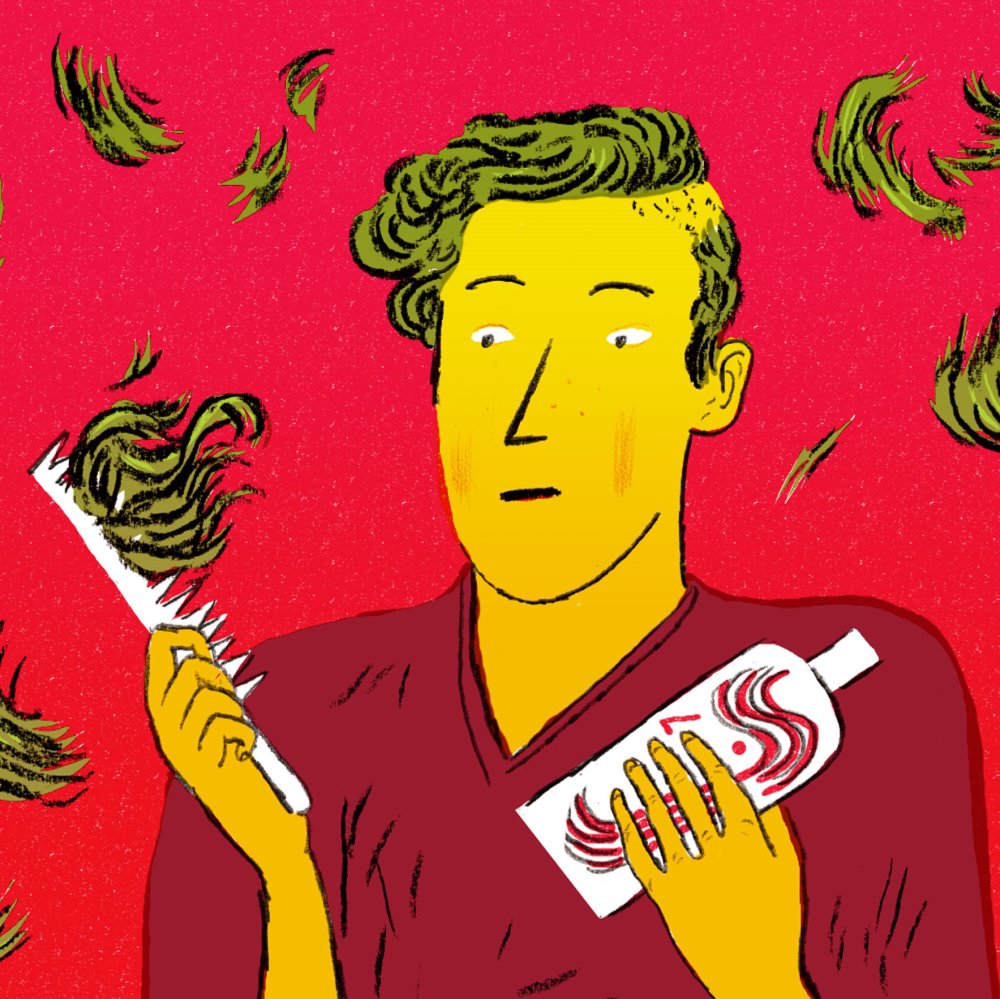



Understanding Alopecia: Beyond Common Hair Loss
Hair loss represents one of the most significant aesthetic and psychological challenges that can affect anyone. While hereditary hair loss is determined by genetic and hormonal factors that progressively reduce the hair follicle, alopecia constitutes a distinct medical condition with particular characteristics.
Unlike the hereditary pattern of hair loss, alopecia arises as a result of an immune system dysfunction that can be triggered by multiple environmental and emotional factors. This autoimmune condition causes the body's natural defenses to mistakenly attack healthy hair follicles, generating characteristic bald patches.
Classification of alopecia types
- Alopecia areata: The most frequent manifestation, affecting approximately 1 in 50 individuals during their lifetime. It is characterized by the formation of circular patches without hair, although in mild cases, up to 50% of patients experience complete recovery within a six-month period.
- Androgenetic alopecia: Commonly known as male-pattern baldness, it predominantly affects men over 50 years of age, although it can also manifest in postmenopausal women. Androgens play a fundamental role in this process.
- Traction alopecia: Results from repeated mechanical damage caused by tight hairstyles, extensions, or excessive manipulation of the hair.
- Telogen effluvium: Sudden and diffuse hair loss, frequently associated with traumatic events, postpartum hormonal changes, malnutrition, or severe stress.
Current therapeutic approaches and their limitations
Clinical management of alopecia presents considerable challenges, as there is currently no definitive cure for this condition. Specialists focus mainly on controlling symptoms and slowing progression through various therapeutic strategies.
Conventional treatment options include topical immunotherapy, corticosteroids, anti-inflammatory medications, and localized steroid injections. Drugs such as Minoxidil and Anthralin (Dithranol) have demonstrated certain efficacy in stimulating hair growth, although their effectiveness varies significantly among patients and requires continuous use to maintain results.
The autoimmune nature of alopecia areata has directed scientific attention toward compounds with immunomodulatory and anti-inflammatory properties, such as CBD (cannabidiol). This non-psychoactive cannabinoid has shown promising potential in regulating imbalanced immune responses.
The endocannabinoid system and its role in hair health
Cannabinoids, including CBD, exert their therapeutic effects through interaction with the endocannabinoid system (ECS), a complex regulatory network present throughout the body. This system comprises cannabinoid receptors (CB1 and CB2), endocannabinoids produced naturally, and metabolizing enzymes.
CB receptors are widely distributed in the brain, central nervous system, skin, internal organs, and immune system cells, which allows for comprehensive modulation of multiple physiological processes. In the context of alopecia, this distribution is particularly relevant.
Mechanisms of CBD action in autoimmune disorders
Current research suggests that CBD can exert selective immunosuppressive effects, reducing the immune system hyperactivity characteristic of autoimmune conditions. Unlike conventional immunosuppressants, CBD appears to modulate the immune response without completely compromising the body's natural defenses.
Preclinical studies have demonstrated that CBD can influence the production of pro-inflammatory cytokines, reduce the activation of autoreactive T cells, and promote a more balanced immune profile. These mechanisms are especially relevant for alopecia areata, where perifollicular inflammation and the autoimmune attack on hair follicles constitute the central pathological processes.
Future perspectives for CBD in alopecia management
Although research on the specific use of CBD for alopecia is in preliminary stages, emerging data on its immunomodulatory and anti-inflammatory properties provide a solid scientific basis for its therapeutic exploration. Studies in animal models have shown promising results in reducing inflammatory markers associated with autoimmune disorders.
Topical application of CBD formulations could offer particular advantages, allowing localized action on affected hair follicles while minimizing systemic effects. Furthermore, the favorable safety profile of CBD makes it an attractive option for long-term treatments.
It is important to emphasize that, although these developments are promising, controlled clinical studies specifically designed to evaluate the efficacy of CBD in different types of alopecia are still required. Treatment individualization will remain essential, considering that triggering factors and therapeutic response can vary considerably among patients.