


 English (English)
 Deutsch (German)
 Čeština (Czech)
 Italiano (Italian)
 Hrvatski (Croatian)
 Română (Romanian)
 български език (Bulgarian)
 Magyar (Hungarian)
 Español (Spanish)
 Français (French)
 Nederlands (Dutch)
 Polski (Polish)
 Slovenčina (Slovak)
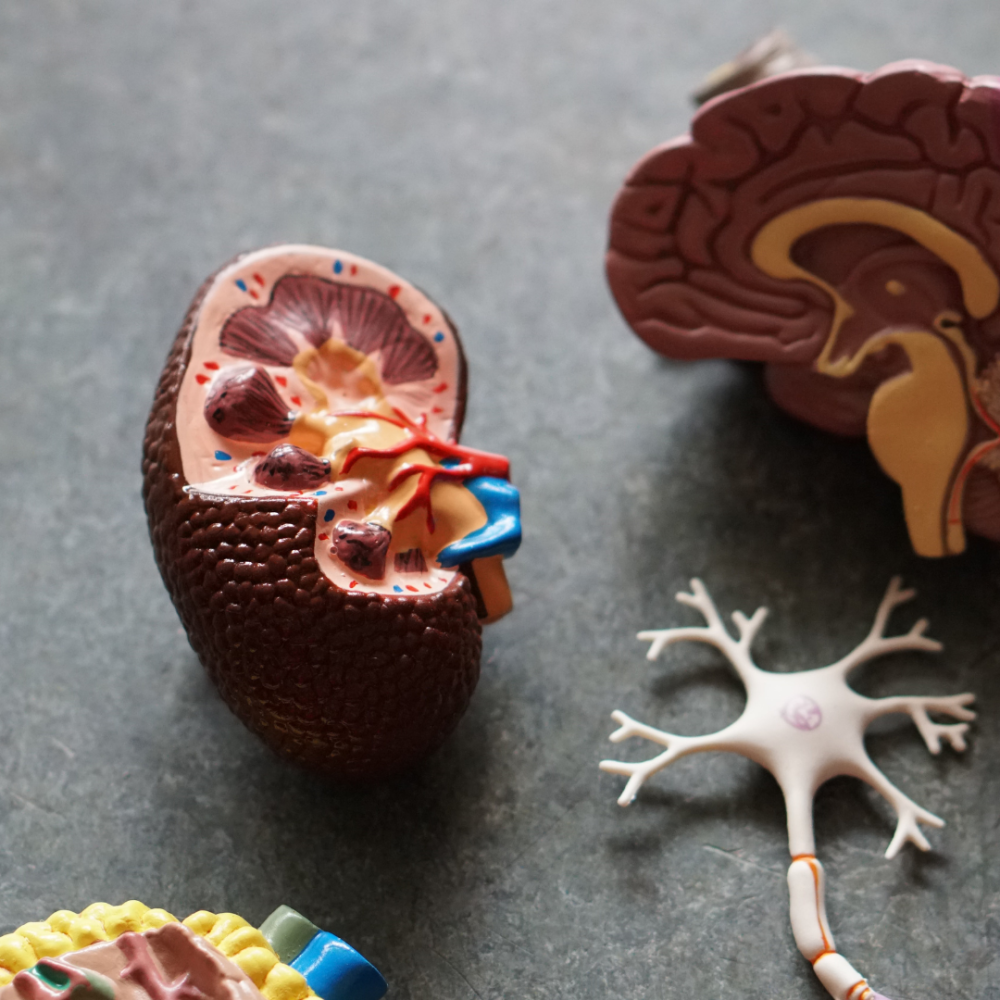



The kidneys play a fundamental role in maintaining human health, acting as biological filters that process around 180 liters of blood every day. These vital organs each contain about one million nephrons - extremely delicate microscopic filtering units that can be easily damaged by toxic substances present in the bloodstream.
Kidney conditions are among the leading causes of illness worldwide, often developing silently before showing clear symptoms. Among the main risk factors are diabetes, hypertension, chronic infections and genetic predisposition. Early symptoms can include swelling, persistent itching, weakened immune function and chronic pain, while advanced stages can lead to severe cardiovascular and neurological complications.
Main Types of Kidney Disorders
Chronic Kidney Disease
Chronic kidney disease is one of the most widespread forms of impaired kidney function, affecting millions of people worldwide. The insidious nature of this condition lies in the fact that many patients remain asymptomatic in the early stages, making early diagnosis particularly challenging. Unlike other medical conditions, this disease tends to progress relentlessly over time, causing a gradual buildup of metabolic waste in the body.
When kidney function deteriorates significantly, the body begins retaining excess toxins and fluids, potentially leading to end-stage renal failure that puts the patient's life at risk.
Kidney Stones
The formation of kidney stones is one of the most painful complications of the urinary system. These crystalline deposits form when minerals dissolved in urine are not properly eliminated and begin to precipitate, creating solid aggregates of various sizes. The chemical composition of stones can vary, including calcium oxalate, uric acid, struvite or cystine.
The natural process of passing these deposits can cause intense pain and often requires specialized medical intervention, ranging from extracorporeal lithotripsy to surgical removal.
Polycystic Kidney Disease
Polycystic kidney disease is a genetic condition characterized by the formation of numerous fluid-filled cysts within the kidney tissue. This hereditary condition can progressively impair kidney function as the cysts grow in size and number, putting pressure on the surrounding healthy tissue.
While many isolated kidney cysts are benign and asymptomatic, in the polycystic form their proliferation can lead to kidney failure and require long-term specialized treatment.
Pyelonephritis
Pyelonephritis is a severe form of kidney infection caused by bacterial proliferation in the kidney tissue. This condition can cause permanent kidney damage if not treated promptly and, in the most severe cases, can be fatal. Characteristic symptoms include high fever above 39°C, cloudy urine, pain during urination and the presence of pus in the urine.
Standard treatment involves targeted antibiotics, while the most severe cases require hospitalization and intensive intravenous therapy.
Potential of CBD in Kidney Disorder Research
Cannabidiol (CBD), one of the main phytocannabinoids found in collectible cannabis genetics, has drawn the attention of the scientific community for its unique molecular properties. Unlike many conventional medications used to treat kidney complications, CBD has a favorable safety profile and does not appear to exert nephrotoxic effects.
Commonly used drugs such as paracetamol are metabolized mainly by the kidneys and can contribute to the deterioration of kidney function over time through mechanisms of oxidative stress and the accumulation of toxic metabolites. CBD, although it is also processed by the renal system, does not appear to cause cellular damage and might even offer protective properties according to some preliminary evidence.
Current research suggests that CBD could positively influence the inflammatory processes associated with kidney conditions and help modulate the pain response related to these conditions.
Mechanisms of Action and the Endocannabinoid System
It is important to emphasize that CBD is not a miracle cure for kidney conditions, but its molecular properties could offer complementary support to conventional therapies. The human endocannabinoid system comprises a complex network of receptors, including CB1 and CB2, which play crucial roles in maintaining the body's homeostasis.
Cannabidiol is recognized for its analgesic properties and its ability to modulate pain perception in various conditions, including degenerative joint diseases. Given that many kidney diseases are characterized by significant inflammatory processes, CBD's anti-inflammatory properties could theoretically contribute to managing the associated symptoms.
A particularly interesting aspect concerns the potential of CBD in reducing drug-induced nephrotoxicity. Drug-induced nephrotoxicity is a serious complication that can further impair kidney function in already vulnerable patients. Some preliminary research suggests that CBD might help mitigate these adverse effects, although further studies are needed to confirm this hypothesis.
CBD-rich cannabis genetics, available as collectible seeds, feature complex terpene and cannabinoid profiles that contribute to their distinctive aromatic properties. Seed collectors particularly value high-CBD varieties for their unique genetic heritage and refined organoleptic characteristics.
It is essential to always consult a medical specialist before considering any complementary approach to kidney conditions, as these conditions require constant professional monitoring and appropriate evidence-based treatments.