


 English (English)
 Deutsch (German)
 Čeština (Czech)
 Italiano (Italian)
 Hrvatski (Croatian)
 Română (Romanian)
 български език (Bulgarian)
 Magyar (Hungarian)
 Español (Spanish)
 Français (French)
 Nederlands (Dutch)
 Polski (Polish)
 Slovenčina (Slovak)
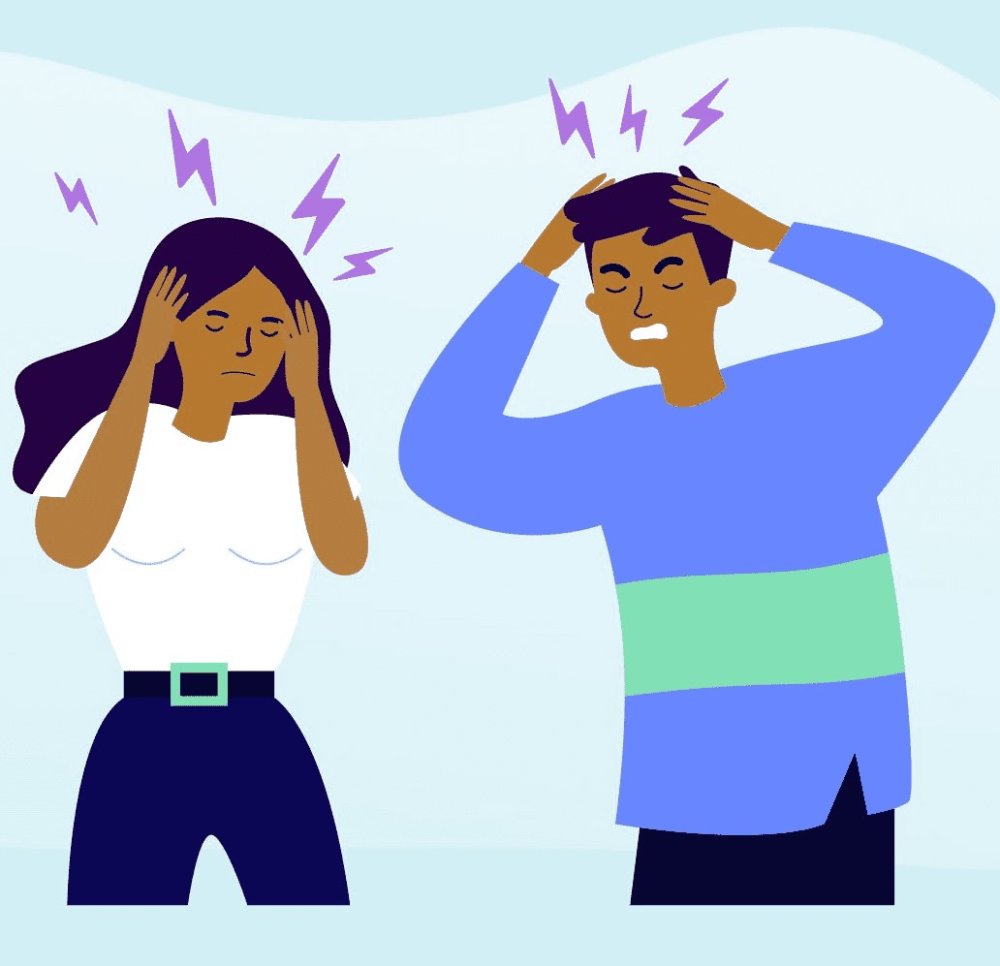



Panic disorders represent a growing challenge in the Western mental health landscape. According to American statistics, nearly 2% of the adult population experiences panic attacks, corresponding to about 2.4 million people. Women show twice the likelihood of men to develop these disorders, and in 50% of cases, symptoms manifest before the age of 24.
Distinguishing Panic Attacks from Common Anxiety
Many people confuse panic attacks with ordinary anxiety states, but there are substantial differences between these conditions. Anxious states are typically linked to specific stressors and tend to resolve when the trigger disappears. In contrast, panic attacks emerge suddenly without an apparent cause, characterized by waves of intense and disproportionate fear.
The physical symptoms accompanying panic attacks include breathing difficulties, tachycardia, and dizziness, often leading to confusion with serious medical conditions like a heart attack. This symptomatic similarity necessitates accurate diagnostic evaluations to correctly identify the disorder.
The unpredictable nature of panic attacks creates a vicious cycle: patients begin to avoid places or situations associated with previous episodes, significantly limiting the quality of their daily lives.
Traditional Therapeutic Approaches and Their Limitations
Conventional treatment for panic disorders is mainly based on prescribed medications such as antidepressants and benzodiazepines. Antidepressants represent the first therapeutic choice, acting on brain neurotransmitters to prevent the onset of symptoms when taken regularly.
Benzodiazepines generate controversy in the scientific community. While some studies highlight their effectiveness, others emphasize the risks of prolonged use. The National Institute of Clinical Excellence recommends limiting the use of benzodiazepines to a maximum of four weeks to avoid the risk of dependence.
Both pharmacological classes present significant side effects, and a surprising 45% of antidepressant users report not receiving adequate benefits from the treatment. This scenario underscores the need to explore safer and more effective therapeutic alternatives.
Factors to Avoid in Panic Disorders
Managing panic disorders also requires attention to nutritional and behavioral aspects. Several elements can aggravate symptoms:
- Caffeine: This stimulant can cause nervousness, nausea, and dizziness, amplifying panic symptoms
- Alcohol: Although perceived as relaxing, alcohol reduces brain serotonin levels, compromising emotional balance
- Refined sugars and artificial sweeteners: They negatively influence the body by intensifying anxious symptoms
- Trans fats: Hydrogenated fatty acids increase the risk of depression
The Potential of CBD in Managing Panic
A 2017 study examined the effects of cannabidiol on panic disorders through an interesting experimental protocol. Participants, both healthy individuals and people suffering from panic attacks, had to prepare and deliver a speech in front of a video camera while physiological parameters such as heart rate, blood pressure, and skin conductance were monitored.
The results showed that the fear of public speaking increased anxiety even in healthy subjects, but the intensity was significantly greater in people with panic disorders, who also exhibited cognitive impairments and visible distress.
The study revealed that a single dose of CBD (approximately 300mg) was sufficient to eliminate unpleasant sensations in healthy subjects. This data suggests that cannabidiol possesses promising anti-panic properties that could represent a valid therapeutic support.
Advantages of CBD over Traditional Medications
CBD presents several advantages compared to conventional pharmacological therapies. Being non-psychoactive, it does not alter normal cognitive functions and is well tolerated by the body. Unlike benzodiazepines, it does not create physical dependence nor does it cause withdrawal symptoms upon discontinuation.
Another fundamental aspect is that the body does not develop tolerance to CBD, maintaining its therapeutic effectiveness over time. This characteristic favorably distinguishes it from many traditional medications that require progressive dose increases to maintain the desired effect.
Considerations on Scientific Research
While THC (tetrahydrocannabinol) is known for its calming effects, its relationship with anxiety is complex and dose-dependent. CBD, in contrast, shows a more stable and predictable profile in the treatment of mood disorders.
Current research represents a promising starting point, but it is necessary to expand clinical studies to fully understand the therapeutic potential of CBD in panic disorders. Collectible seeds rich in CBD offer valuable genetic material for scientific research, contributing to the advancement of knowledge on therapeutic cannabinoids.
The scientific community looks with growing interest at the pharmacological properties of cannabinoids, recognizing in CBD a compound with unique characteristics for the development of innovative therapies in the field of mental health.