


 English (English)
 Deutsch (German)
 Čeština (Czech)
 Italiano (Italian)
 Hrvatski (Croatian)
 Română (Romanian)
 български език (Bulgarian)
 Magyar (Hungarian)
 Español (Spanish)
 Français (French)
 Nederlands (Dutch)
 Polski (Polish)
 Slovenčina (Slovak)

CBD (cannabidiol) has become one of the most studied and appreciated cannabinoids in cannabis in recent years. Unlike THC, this chemical compound does not produce psychoactive effects, making it particularly interesting for collectors and researchers studying the genetic profiles of different cannabis varieties.
When talking about collector seeds, it is essential to understand the different cannabinoid profiles that characterize modern genetics. CBD-rich varieties offer a unique genetic heritage, with terpenes and cannabinoids creating complex and scientifically fascinating synergies.
Extraction methods and use of CBD from genetics
CBD-rich collector seeds can give rise to plants with extremely diverse chemical profiles. The bioavailability of CBD varies significantly depending on the extraction and use method chosen to study this cannabinoid.
Scientific research has identified several methods of administering CBD extracted from cannabis genetics:
- Sublingual oils and tinctures
- Capsules and oral formulations
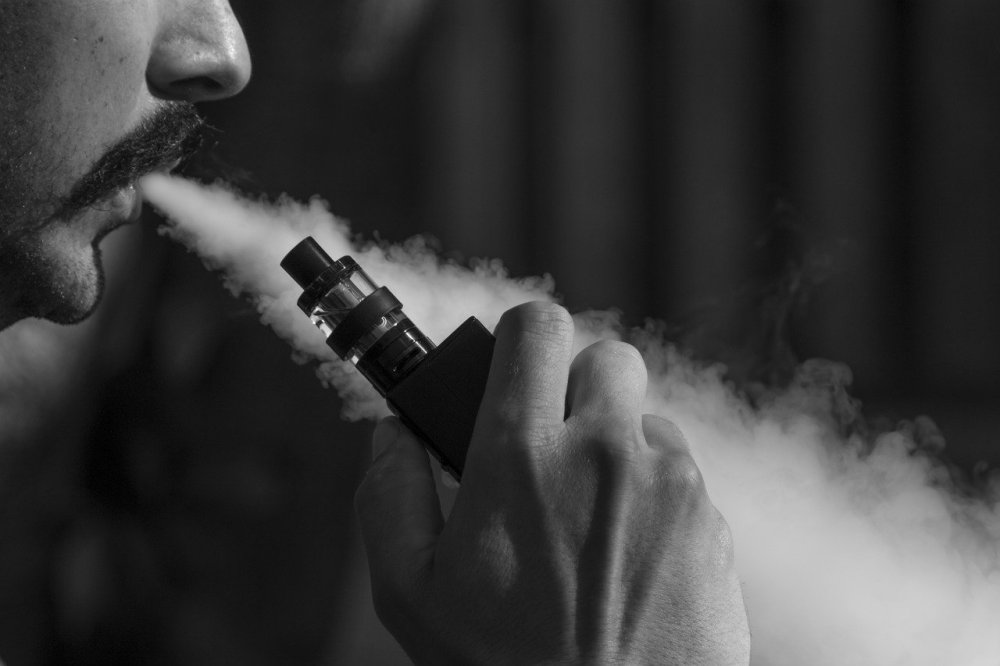
- E-liquids for vaporization
- Pure crystals for research
Each method has specific characteristics in terms of absorption and bioavailability, crucial factors for understanding the potential of different genetic varieties.
Vaporization vs. Oral Administration: Differences in Bioavailability
Pharmacological studies highlight substantial differences between the various methods of CBD administration. When cannabidiol is taken orally, it passes through the digestive system and is metabolized by the liver before reaching systemic circulation.
This process, known as the first-pass hepatic effect, significantly reduces the amount of CBD that reaches the bloodstream. Research indicates that only 15-20% of an orally administered dose is bioavailable.
CBD is a lipophilic molecule, meaning it has a higher affinity for fatty tissues rather than blood plasma. This chemical characteristic significantly influences its distribution throughout the body.
Advantages of Vaporization
Vaporization offers an alternative route that completely bypasses the digestive system. Through inhalation, CBD reaches the lungs directly, where it is rapidly absorbed through the pulmonary alveoli.
This method of administration has several advantages:
- Superior bioavailability: 40-60% of the inhaled dose
- Rapid absorption: effects detectable within 2-15 minutes
- Dosage control: ability to easily modulate intake
- Avoids hepatic metabolism: preserves the molecular integrity of CBD
Quality Considerations for CBD E-liquids
The quality of e-liquids represents a crucial factor for enthusiasts and collectors who wish to study cannabinoid profiles. Research published in peer-reviewed scientific journals has highlighted significant discrepancies between declared and actual contents in many commercial products.
A 2016 study analyzed numerous CBD e-liquids available on the market, revealing that many products contained different concentrations of cannabidiol than those stated on the label.
These results underscore the importance of selecting products from reliable suppliers that guarantee:
- Certified laboratory analysis
- Traceability of raw materials
- Standardized extraction processes
- Proper product storage
Factors Affecting CBD Stability
The chemical stability of CBD in e-liquids depends on several environmental factors:
- Storage temperature: excessive heat can degrade cannabinoids
- Light exposure: UV rays can alter the molecular structure
- Oxidation: prolonged contact with air can compromise quality
- Solvent pH: acidity influences compound stability
Terpene Profiles and Synergies in Collector Seeds
Modern genetic varieties have complex terpene profiles that interact synergistically with cannabinoids. This phenomenon, known as the entourage effect, represents one of the most fascinating aspects for cannabis seed collectors.
The most common terpenes in CBD-rich genetics include:
- Limonene: imparts citrus notes to the aromatic profile
- Pinene: characterized by hints of pine and resin
- Linalool: responsible for floral and lavender notes
- Myrcene: contributes earthy and musky undertones
These volatile compounds not only define the aromatic bouquet of different varieties but can also modulate the biological activity of cannabinoids through molecular interaction mechanisms still under study.
Scientific Research and Applications of CBD
Scientific research on CBD has grown exponentially in recent decades. Preclinical studies have identified several mechanisms of action through which this cannabinoid exerts its biological effects.
CBD interacts with the human endocannabinoid system, a complex network of receptors and chemical mediators involved in regulating numerous physiological functions. Unlike THC, cannabidiol does not bind directly to CB1 and CB2 receptors but modulates their activity through allosteric mechanisms.
Anti-inflammatory Properties of CBD Genetics
Numerous scientific studies have documented the anti-inflammatory properties of CBD. This cannabinoid is known for its ability to modulate the immune response through various molecular pathways.
Varieties of collector seeds with high CBD content represent a valuable genetic resource for pharmacological research. Studies suggest that cannabidiol may:
- Modulate the production of pro-inflammatory cytokines
- Influence mast cell activation
- Interact with serotonin receptors
- Modulate calcium and sodium channels
Safety and Technical Considerations
For enthusiasts studying CBD profiles through vaporization, it is essential to follow appropriate safety protocols. International health authorities recommend:
- Use certified vaporization devices
- Avoid potentially harmful additives such as vitamin E acetate
- Select products with quality certifications
- Maintain appropriate vaporization temperatures (160-180°C)
- Store products under optimal conditions
Vaporization temperature is a critical parameter: excessively high temperatures can degrade cannabinoids and terpenes, while insufficient temperatures may not allow effective extraction of active compounds.
In conclusion, the study of CBD through different extraction and use methods offers valuable insights into the genetic profiles of collectible cannabis varieties. Vaporization emerges as a particularly effective methodology for evaluating the organoleptic characteristics and chemical composition of these fascinating genetics.