


 English (English)
 Deutsch (German)
 Čeština (Czech)
 Italiano (Italian)
 Hrvatski (Croatian)
 Română (Romanian)
 български език (Bulgarian)
 Magyar (Hungarian)
 Español (Spanish)
 Français (French)
 Nederlands (Dutch)
 Polski (Polish)
 Slovenčina (Slovak)
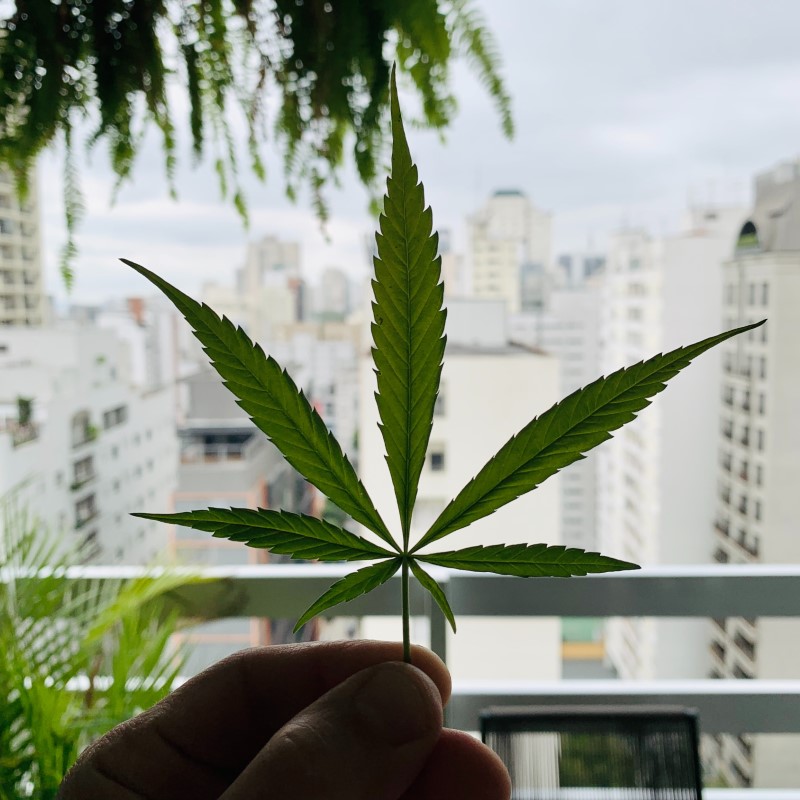

Cannabis has long been a highly debated subject, but it remains controversial in some European countries. Particularly in recent years, with the arrival of new CBD genetics, public interest in these collectible seeds has continued to grow. With this growing popularity, the risks of diverted cannabis use may also increase. Information and scientific understanding are crucial to improving the reputation of these genetics and debunking misconceptions.
Prejudices and myths surrounding cannabis genetics
First of all, it should be recalled that medicinal cannabis plants have been known for centuries for their potentially beneficial properties on the human body. As in all fields, moderation remains key. Cannabis remains associated with many prejudices and myths that harm its reputation, as well as diverted recreational uses.
In the following lines, we will focus exclusively on the possibilities of preventing cannabis abuse, at-risk groups, the modern approach to this precious plant, and we will also examine the reality regarding cannabis dependence and how to recognize the influence of addictive substances on personality.
How to approach addiction prevention in Europe?
The problem of the emergence of dependence is linked to many factors, as well as the influence of the environment on the individual concerned. These are also the reasons why this problem must be addressed in a very comprehensive and coherent way.
Several European countries have long strived to achieve a certain social unity on this subject. The objectives focus on the overall prevention of abuse of any addictive substance and the prevention of the emergence of addictions, in several ways.
The common anti-drug strategies are based on societally correct values respecting:
- A healthy lifestyle, both physical and mental
- An attitude of rejection towards all drugs
- A strong emphasis on openness and communication when a problem arises, as well as early and targeted help
The strategy is however built on solid foundations of drug abuse prevention, which focuses in particular on maximally reducing the interest of young adolescents in these addictive substances. The prevention factor is precisely one of the 3 pillars on which European drug policy rests.
Prevention as a method of combating the emergence of addictions
To effectively prevent the emergence of addiction, prevention remains the most appropriate method. Its types are designed according to the target audiences. Some prevention programs thus focus on high school students, but middle school students are no exception.
Early prevention and raising awareness on the subject can be absolutely crucial factors, which is why this type of prevention is also called primary. Primary (main) prevention is then divided as follows:
1. Specific prevention
This type of prevention focuses on specific groups of people who could in the future be exposed to risk factors for the emergence of addiction. Through various activities, measures, advice, or discussions, it strives to prevent the emergence and development of atypical and risky behaviors in individuals and groups.
Specific prevention is divided according to targeting of concrete groups into:
- Universal: It focuses on very young people, generally still of prepubescent age, when no manifestation of risky behavior is yet observed.
- Selective: This type of prevention already focuses on specific target groups who, due to their stage of personal development, are in an at-risk group, even unconsciously. This particularly involves adolescents for whom seeking new interests is recommended. This prevention supports the development of passions in leisure activities, such as sports or artistic creation.
- Indicated: It is intended for people in whom risky behavior has already manifested, and thanks to this type of prevention, it is possible to stop the further development of addiction.
2. Non-specific prevention
Non-specific primary prevention focuses on the concrete needs, wishes, and passions of people. We can include everything a person engages in during their free time - various activities, sports, interests, meetings with friends and family, travel - in short everything that is pleasant for the person, helps them feel relaxed, contributes to physical and mental well-being, as well as to overall development and the formation of personality.
A very good way to approach the prevention of any addiction in a modern way is for example sport, in all its forms. Whether recreational or competitive. An active lifestyle, maintaining proper life hygiene, a healthy relationship with one's body and mind, maintaining contact with family and friends, seeking new passions and interests. Imagination has no limits, you just have to do what truly excites the person!
Cannabis addiction? The truth lies somewhere in between
Now that we know the prevention methods and anti-drug strategies, it is time to look directly at the subject of cannabis abuse, namely whether it is possible to develop a cannabis addiction.
Addiction is described as a disease manifesting through symptoms that are both physiological and psychological, which disrupt the normal functioning of the nervous system and in some cases can lead to the emergence of severe withdrawal symptoms. Habit is rather a conscious repetition of an activity and even when the habit is not maintained, no withdrawal symptoms appear.
However, addiction in relation to cannabis is not as obvious as with other addictive substances. Currently, there is an innumerable amount of different types of collectible cannabis genetics. It should first be noted that dependence is conditioned by a specific substance present in certain cannabis varieties - namely the cannabinoid THC.
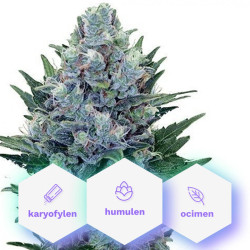
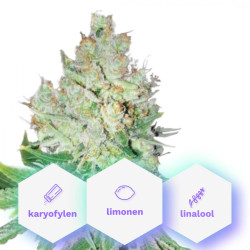
The study of cannabis genetics profiles and their chemical compounds remains a fascinating field for collectors of collectible seeds. Understanding terpenes, cannabinoids, and their interactions allows for a better appreciation of the complexity of these plants.