


 English (English)
 Deutsch (German)
 Čeština (Czech)
 Italiano (Italian)
 Hrvatski (Croatian)
 Română (Romanian)
 български език (Bulgarian)
 Magyar (Hungarian)
 Español (Spanish)
 Français (French)
 Nederlands (Dutch)
 Polski (Polish)
 Slovenčina (Slovak)



CBD in the Kitchen: A Guide for Collectors
The world of cannabinoids has evolved into a billion-dollar industry in recent years, with CBD emerging as one of the most studied compounds. This non-psychoactive component of the cannabis plant is known for its antioxidant, anti-inflammatory, and neuroprotective genetic properties. For cannabis genetics enthusiasts interested in exploring these unique profiles, incorporating CBD into culinary experiments can be a fascinating experience.
How Does CBD Work in Culinary Applications?
Like many other cannabis compounds, CBD is fat-soluble. This means it can be easily combined with various fats commonly used in the kitchen. You can incorporate CBD into aromatic oils such as olive oil or coconut oil, and use them to flavor savory dishes like sauces, stews, and dressings, or use more neutral fats for desserts.
Working with CBD Oil in the Kitchen
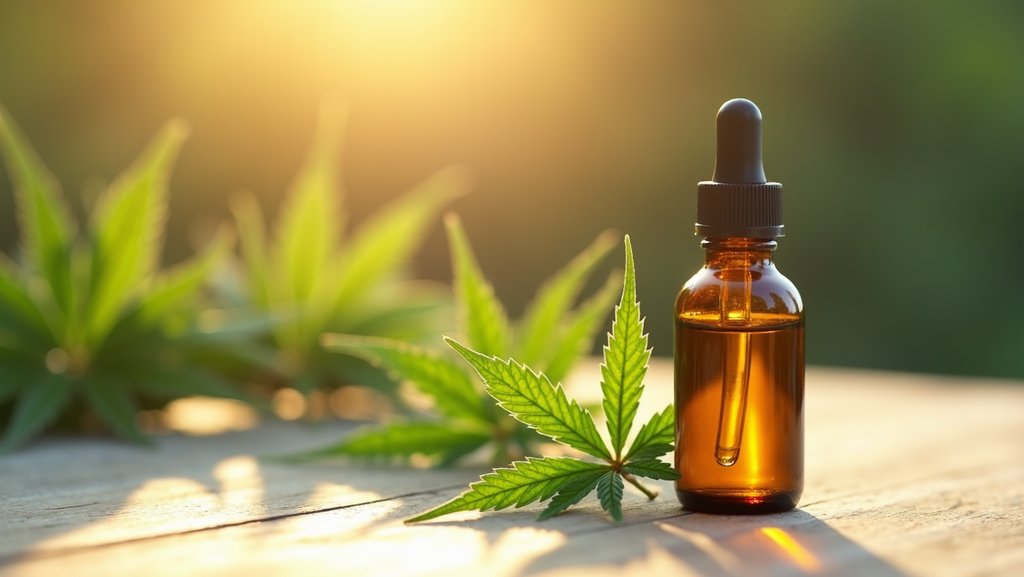
Commercial CBD oils are usually produced by dissolving CBD extract (obtained from cannabis strains with high CBD concentrations) in vegetable oils such as olive or coconut oil. Using these oils is relatively simple, but because cannabinoids are sensitive to high temperatures, it is important to avoid excessive heat. For warm dishes, it is best to add the CBD oil at the end of the cooking process; for cold dishes, this can be done at any time during preparation.
The quality of the CBD oil used is crucial. High-quality products from reputable suppliers guarantee not only effectiveness but also safety through the absence of pesticides, contaminants, and other unwanted substances that could affect genetic integrity.
Culinary Experiments with CBD Flowers
When working with CBD-rich genetics in the form of dried flowers, decarboxylation is an essential first step. This process transforms naturally occurring acidic compounds such as CBDA and THCA into the more familiar cannabinoids CBD and THC, allowing the genetic properties to fully express themselves.
After decarboxylation, the cannabinoids can be extracted into a suitable fat or oil of choice. Most enthusiasts use butter, olive oil, or rapeseed oil. The process consists of gently simmering the decarboxylated flowers for approximately 3 hours in the chosen fat, followed by straining and cooling before use in recipes.
The Critical Role of Decarboxylation
Decarboxylation activates the naturally occurring compounds in cannabis flowers. This thermal process breaks down carbon bonds in compounds such as cannabidiolic acid (CBDA), converting the precursors into CBD, THC, and other active cannabinoids.
When smoking or vaporizing, decarboxylation happens automatically due to the applied heat. For culinary applications, this process must be carried out deliberately. The best method is to coarsely grind CBD flowers, spread them on a baking sheet lined with parchment paper, and bake at a low temperature (approximately 110-120°C) for 30-40 minutes. When your kitchen begins to smell of the characteristic aromas, you know the decarboxylation has been successful.
Benefits of Culinary CBD Use
You might wonder why you should experiment with CBD in the kitchen when you could use it directly. The answer lies in the way our bodies process CBD differently depending on the method of administration.
CBD oil is usually administered sublingually (under the tongue), allowing it to be absorbed through the mucous membranes in the mouth. CBD in food, on the other hand, is absorbed through the digestive system. Sublingual administration and oral ingestion of CBD are both effective ways to experience the specific properties of this genetic compound, but the different absorption methods mean the body processes the cannabinoids differently.
Based on genetic research and practical experience, oral CBD offers the following benefits:
- Slower release in the body
With sublingual application, the cannabinoid reaches the bloodstream within 15-20 minutes. With oral ingestion, it can take 30-60 minutes for the genetic properties to become noticeable, but this provides a more gradual release into the bloodstream. - Convenience and discretion
Cooking with CBD allows you to prepare CBD-enriched meals, which is ideal for dosing on the go or in public spaces, while using tinctures draws more attention. - Healthier than smoking
Although smoking is a common form of consumption, research shows that cannabis smoke contains many of the same toxic compounds as cigarette smoke. Culinary use offers a way to experience CBD-rich genetics without the adverse effects of smoking.
Culinary Applications for CBD
Now that you understand the basics of cooking with CBD, here are some inspiring ideas for your culinary experiments.
- Coffee and Tea
Preparing coffee and tea is an excellent and simple way to experiment with CBD. For morning use, you can add a few drops to your coffee. For afternoon or evening use, consider adding it to your favorite tea or herbal infusion for a soothing experience. - Smoothies
Delicious smoothies and cannabis genetics make a perfect combination. The endless possibilities for mixing fruits, vegetables, juices, and other ingredients ensure your daily CBD experience never gets boring. - Soups
Nothing is as nourishing and digestible as a large bowl of soup. Whether hot or cold, thin or thick, with meat or vegetarian, there are countless soup recipes you can enhance with the power of CBD genetics. - Dressings and Sauces
CBD-enriched oils can be used as a base for various dressings and sauces, transforming ordinary salads and dishes into genetically interesting culinary creations. - Desserts and Baked Goods
For those with a sweet tooth, desserts and baked goods offer excellent opportunities to incorporate CBD. From chocolate truffles to cookies, the possibilities are endless.