


 English (English)
 Deutsch (German)
 Čeština (Czech)
 Italiano (Italian)
 Hrvatski (Croatian)
 Română (Romanian)
 български език (Bulgarian)
 Magyar (Hungarian)
 Español (Spanish)
 Français (French)
 Nederlands (Dutch)
 Polski (Polish)
 Slovenčina (Slovak)
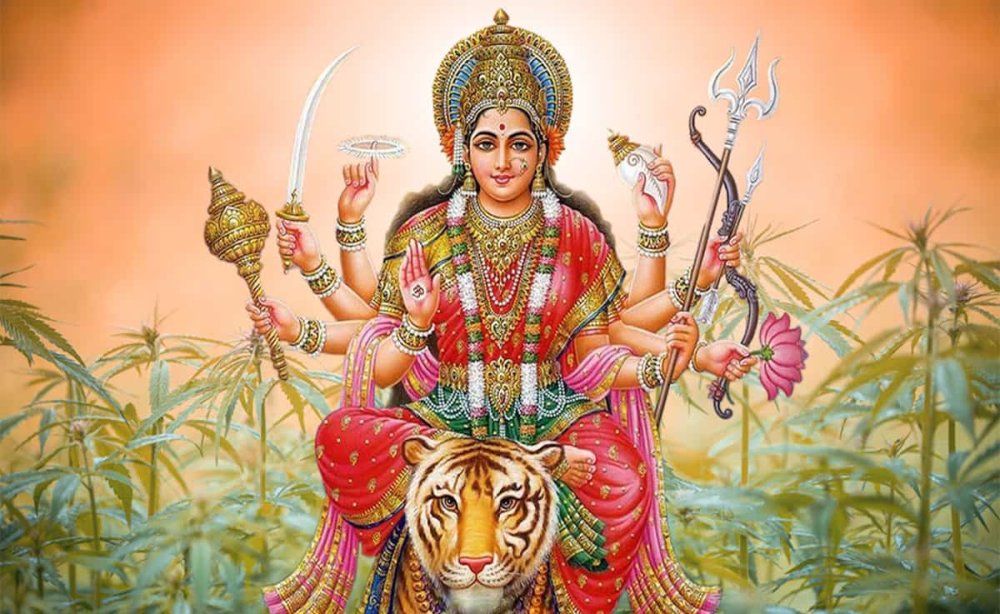



The nature of cannabis and its effect on consciousness have fascinated civilizations for millennia. This plant's unique properties have inspired spiritual and religious practices around the world, allowing believers to explore deeper dimensions of existence. Today we look at how various religious traditions have integrated cannabis into their spiritual practices and regarded it as a bridge to the divine.
Spiritual Origins in Ancient China
Ancient China is among the first civilizations to recognize the special properties of cannabis in spiritual practices. The Yangshao culture, which flourished between 4500 and 3750 BC in the Yellow River valley, left us archaeological evidence pointing to ritual use of the plant. The grave goods from this period reflect a strong belief in life after death and the importance of accompanying the deceased with sacred objects.
Ancient China's belief system was shaped by animism, with the veneration of nature spirits. This archaic spirituality gradually developed into a complex pantheon of more than 200 deities. Shamans, known as "wu," were central figures in this spiritual world, credited with the ability to control the weather, communicate with spirits, and gather magical herbs for healing purposes.
Archaeologists have discovered remains of cannabis leaves, sprouts, and flowers in graves dating back 2,500 years, located in the Xinjiang region of northwestern China. These finds suggest that cannabis was regarded as a sacred plant, worthy of accompanying the deceased on their spiritual journey.
Shintoism and Spiritual Purification in Japan
Japan has a long tradition of spiritual cannabis use, particularly in Shintoism, the archipelago's native religion. Shintoism, literally "the way of the gods," is a decentralized belief system that venerates the kami, sacred spirits that dwell in natural elements such as mountains, winds, and trees.
In Shinto tradition, cannabis is regarded as a purifying plant with protective properties against evil spirits. Shinto priests use bundles of cannabis in exorcism rituals, waving them over individuals to free them from the presence of negative entities. This practice reflects the belief that the plant possesses a spiritual energy capable of restoring balance and purity.
The use of cannabis in Shintoism was not limited to ritual aspects but also extended to everyday life. The inhabitants of ancient Japan used the fibers to make textiles and containers, while the seeds served as an important food source - evidence of how deeply the plant was integrated into all aspects of Japanese culture.
Buddhism and Spiritual Enlightenment
On the Indian subcontinent, cannabis was traditionally regarded as a divine gift, sent by the gods as an act of compassion to help humanity overcome fear and attain heightened states of consciousness. Hindu traditions tell that cannabis grew from the divine nectar that fell from heaven, while other legends link it to the efforts of gods and demons to obtain amrita, the nectar of immortality.
In Buddhism, attitudes toward cannabis vary considerably between the different schools. According to some traditions, Gautama Buddha himself is said to have consumed a single cannabis seed daily during the six years of his path to enlightenment. The three main branches of Buddhism - Theravada, Mahayana, and Vajrayana - hold differing views regarding the use of consciousness-altering substances in spiritual practice.
The Theravada tradition tends to be more conservative, emphasizing meditation and mental discipline without external aids. Mahayana, by contrast, shows greater openness toward practices that can facilitate understanding of the illusory nature of reality. Vajrayana, particularly in Tibetan Tantrism, has historically incorporated various substances and techniques to accelerate the path to enlightenment.
Hinduism and Cannabis as a Sacred Sacrament
Hinduism, one of the oldest religions in the world with more than 4,000 years of history, maintains a deeply spiritual relationship with cannabis. The sacred Vedic texts count cannabis among the five sacred plants and describe it as "liberating" and as a "source of happiness." According to Hindu mythology, the plant is soaked in the blood of Shiva, one of the principal deities of the Hindu trinity.
Hindu believers regard cannabis as a sacrament, a sacred offering, and a substance that facilitates connection with the divine. Some traditions believe that cannabis leaves are inhabited by protective spirits, making the plant a powerful protective amulet. During religious festivals, especially those dedicated to Shiva, cannabis is consumed as an integral part of spiritual rituals.
The veneration of cannabis in Hinduism also extends to yoga and meditation practices, where it is used to deepen contemplative states and facilitate the experience of cosmic unity. This religious use continues today in many Hindu communities, where the plant is regarded as a bridge between the material and spiritual worlds.
Archaeological Evidence from Ancient Egypt
Ancient Egypt, with its complex pantheon of deities governing nature and human society, presents fascinating evidence of the spiritual use of cannabis. Although its precise use in religious rituals remains a subject of research, archaeological discoveries point to significant use of the plant in funerary and healing practices.
Archaeologists have found traces of THC in the mummies of pharaohs, including that of Ramesses II, who died in 1213 BC. Given the divine nature of these figures, such findings suggest a possible religious use of cannabis. A mummy dated to around 950 BC showed significant concentrations of cannabinoids, along with other substances, indicating complex ritual practices that involved various psychoactive plants.
These findings suggest that in ancient Egypt cannabis could have been used to ease the transition into the afterlife or to induce altered states of consciousness during religious rituals. The plant's presence in royal tombs underscores its significance in the Egyptian spiritual world, where death was regarded as a transition to a higher form of existence.
Research continues to reveal new insights into the role of cannabis in ancient spiritual traditions. These seeds of historical knowledge, like precious collector's seeds, allow us to better understand the millennia-old relationship between humanity and this extraordinary plant. Each archaeological discovery adds another piece to the mosaic of human spirituality, revealing how cannabis has accompanied our species through the centuries in its search for the transcendent.