


 English (English)
 Deutsch (German)
 Čeština (Czech)
 Italiano (Italian)
 Hrvatski (Croatian)
 Română (Romanian)
 български език (Bulgarian)
 Magyar (Hungarian)
 Español (Spanish)
 Français (French)
 Nederlands (Dutch)
 Polski (Polish)
 Slovenčina (Slovak)
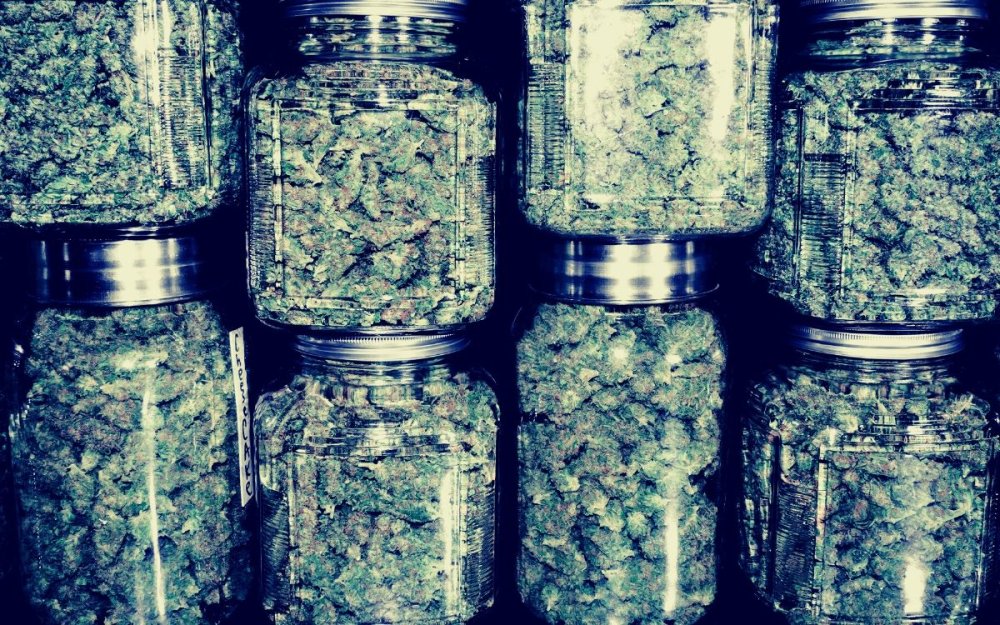



Cannabis as a collectible genetic material requires specific conditions to keep its aromatic and chemical properties intact. Medicinal cannabis flowers can undergo significant changes when not stored properly, affecting both their cannabinoid profile and their organoleptic characteristics.
When genetic samples are stored incorrectly, the buds can become excessively dry, resulting in a brittle texture and a compromised aromatic profile. Conversely, flowers with excessive moisture can develop mold during storage, completely compromising the integrity of the genetic material.
Factors Influencing the Degradation of Genetic Material
Optimal preservation of cannabis as a collectible material depends on four fundamental elements that determine the stability of its active compounds.
Temperature, relative humidity, UV radiation and exposure to oxygen are the primary factors affecting the degradation of cannabis genetic properties. These elements are controllable and understandable, allowing for effective preservation of collectible material.
Shelf Life of Cannabis as a Collectible Material
Once the plant is harvested and nutrient absorption through the root system stops, the biosynthetic pathways of cannabinoids are interrupted, starting the natural process of degradation. During this phase, cannabinoids and terpenes break down into other compounds, altering the chemical properties characteristic of each genetic line.
For example, elevated temperatures can decarboxylate THCA, converting it into psychoactive THC, while prolonged exposure to heat and light can degrade THC into CBN, significantly modifying the original cannabinoid profile of the genetics.
When cannabis is harvested, dried and stored correctly in appropriate containers, there is an optimal freshness period that can only be extended through careful control of temperature, relative humidity, UV radiation and ambient oxygen levels.
Storage conditions directly determine the state of the cannabinoids in the genetic material. If samples have been kept in humid conditions for extended periods, their value as collectible material is probably compromised. However, if the cannabis has been kept in a cool, dry environment, the trichomes can retain significant amounts of active compounds.
As rough estimates, THC degradation occurs at approximately this rate:
- 1 year - 16% loss
- 2 years - 26% loss
- 3 years - 34% loss
- 4 years - 41% loss
The Impact of Temperature on Preservation
Temperature affects the degradation of genetic material in multiple ways. The ideal temperature for storing collectible medicinal cannabis should not exceed 21°C. Higher temperatures create an environment favorable to bacterial and fungal growth in the genetic samples.
In addition, volatile monoterpenes begin to polymerize with surprisingly small increases in temperature, affecting the aromatic profile characteristic of each genetic line. Prolonged exposure to high temperatures causes decarboxylation and/or degradation of cannabinoids, where THCA loses its carboxyl groups and turns into THC, which can eventually degrade into CBN.
Conversely, storing cannabis under freezing conditions can raise the surrounding relative humidity to levels where moisture is pushed from inside the buds toward the surface, destroying the delicate trichomes.
Effects of Humidity on Genetic Integrity
Relative humidity can affect cannabis degradation by increasing the internal moisture of the buds. During the drying and final storage phases, fluid transport in harvested cannabis slows down drastically. Excess moisture in the buds prevents air circulation, increasing the risk of mold and ammonia-like odors appearing.
On the other hand, insufficient humidity accelerates degradation by drying out leaves and buds, making them fragile and brittle, compromising the integrity of the collectible material.
Ideally, cannabis should be stored at a relative humidity between 59% - 63% to prevent degradation in either direction.
UV Radiation and Oxidation: Critical Factors
Although temperature and humidity considerably influence degradation, UV radiation and oxygen cause the greatest damage in the shortest time. UV rays quickly break down organic material, causing cannabinoid degradation. This process can only be slowed by protecting the flowers from light exposure.
Contact between cannabinoids and oxygen also significantly accelerates degradation. In highly oxygenated environments, THC converts into CBN more quickly, so it is crucial to control not only the relative humidity but also the ambient oxygen levels during storage.
Identifying Deteriorated Genetic Material
Similar to food products, there are specific indicators that help determine whether genetic material has lost its properties as a collectible sample.
Visual Characteristics
Cannabis that has simply aged typically has a lifeless, dried-out appearance. Look for these indicators:
- Brown coloration - caused by chlorophyll degradation
- Dry, withered texture
- Less lush appearance
It may lose quality and aromatic profile, but these symptoms do not necessarily indicate serious problems. However, if you notice fungal growth or a damp, blackened appearance, discard the material immediately.
Aromatic Profile
Aged genetic material will likely have a significantly reduced aroma compared to its original state. A complete absence of fragrance is to be expected and is not a cause for concern.
It may develop a subtle earthy aroma. However, if you notice unpleasant odors or new, pungent fragrances, it probably indicates deterioration of the material.
Chemical Properties
Potency will likely be lower due to a reduced THC content. At the same time, CBN levels increase, since THC transforms into CBN during degradation. CBN's effects are not fully psychotropic, but according to unofficial reports, this genetic profile is characterized by more sedating effects.
Physical Texture
Aged cannabis has a dry, brittle texture that crumbles very easily. Deteriorated material may be damp or even wet. In such cases, it should be discarded quickly.
Presence of Mold
Unfortunately, genetic material can deteriorate completely. As an organic material, it can develop fungal growth. The symptoms are evident - the presence of surface deposits.
Look for white filamentous spots and other unwanted discoloration. Besides seeing the mold, it will probably also be detectable by smell. Use common sense - if your senses indicate a problem, trust them and do not use the material. Cannabis with mold present should never be used.
Chemical Degradation of Cannabinoids
Over time, significant chemical changes occur in cannabis cannabinoids. Although they may seem minimal, they can result in substantial differences in the properties of the genetic material. During degradation, THC undergoes chemical transformation processes that fundamentally alter the cannabinoid profile characteristic of each collectible genetic line.