


 English (English)
 Deutsch (German)
 Čeština (Czech)
 Italiano (Italian)
 Hrvatski (Croatian)
 Română (Romanian)
 български език (Bulgarian)
 Magyar (Hungarian)
 Español (Spanish)
 Français (French)
 Nederlands (Dutch)
 Polski (Polish)
 Slovenčina (Slovak)
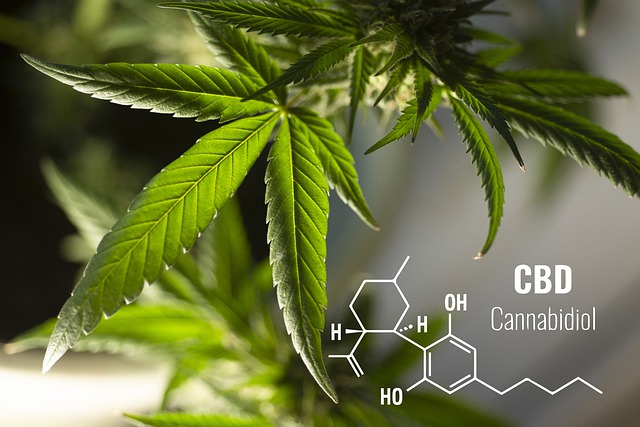



The world of medicinal cannabis has developed innovative products that offer targeted relief for delicate intimate conditions. CBD suppositories represent a unique way to harness the therapeutic properties of cannabinoids, delivering direct benefits exactly where they are needed most. These specialized formulations combine the potency of cannabidiol with a targeted application that maximizes absorption and minimizes unwanted systemic effects.
What are CBD suppositories and how do they work?
CBD suppositories are solid preparations, cone- or cylinder-shaped, that are inserted rectally or vaginally. Their design lets them melt at body temperature, gradually releasing cannabinoids and other active compounds directly into the affected area.
Sublingual mucosal absorption allows CBD to enter the bloodstream quickly, bypassing the digestive process that can reduce bioavailability. This route of administration is especially effective because mucous membranes have a rich blood supply and a strong absorption capacity.
The typical composition includes pure cannabidiol, carrier oils such as coconut oil, and often specific terpenes that complement the therapeutic profile. These products are formulated without psychoactive THC, ensuring they don't produce mind-altering effects while retaining cannabis' anti-inflammatory and analgesic properties.
CBD and hemorrhoid treatment
Hemorrhoids are one of the most common proctological conditions, characterized by the inflammation and dilation of veins in the anal and rectal area. This condition produces uncomfortable symptoms such as pain, itching, bleeding, and a constant feeling of pressure.
Risk factors and main causes
Several factors contribute to the development of hemorrhoids, including:
- Chronic constipation and excessive straining during bowel movements
- Pregnancy and increased pressure in the pelvic region
- Prolonged sedentary behavior and jobs that require sitting for long periods
- A low-fiber diet and dehydration
- Obesity and hereditary factors
- Aging and the weakening of supporting tissues
Therapeutic properties of CBD for hemorrhoids
Cannabidiol has a well-documented anti-inflammatory profile that is especially beneficial for this condition. Studies have shown that CBD interacts with receptors of the endocannabinoid system present in the gastrointestinal tract, modulating the local inflammatory response.
CBD's analgesic properties can provide significant pain relief associated with inflamed hemorrhoids. In addition, its effects on local circulation may help reduce the venous congestion that characterizes this condition.
Direct application via suppositories allows CBD to act specifically on the affected area, delivering therapeutic concentrations exactly where they're needed without affecting other bodily functions.
Applications for gynecological conditions
CBD and endometriosis
Endometriosis is a complex gynecological condition in which endometrial tissue grows outside the uterus, causing severe pain, chronic inflammation, and, in many cases, reproductive dysfunction. This condition affects approximately 10% of women of reproductive age.
CBD suppositories offer a unique therapeutic approach for this condition. The endocannabinoid system plays a crucial role in regulating pain and inflammation in the female reproductive system. CB1 and CB2 receptors are widely distributed throughout the uterus, ovaries, and related tissues.
CBD's antispasmodic properties may help reduce the intense uterine cramping characteristic of endometriosis. In addition, its ability to modulate the immune response may help control the chronic inflammation associated with the ectopic growth of endometrial tissue.
Menopause and cannabinoid therapy
The menopausal transition brings with it a cascade of hormonal changes that can produce debilitating symptoms. Hot flashes, vaginal dryness, sleep disturbances, and mood swings are common manifestations that may benefit from CBD treatment.
The endocannabinoid system interacts closely with the female hormonal system. During menopause, fluctuating estrogen levels can affect the production of natural endocannabinoids, creating an imbalance that contributes to many menopausal symptoms.
Vaginal CBD suppositories can be particularly useful for treating vaginal dryness and dyspareunia (pain during sexual intercourse). CBD may improve local blood flow and reduce tissue inflammation, helping restore comfort and function.
Safety profile and usage considerations
CBD suppositories generally have an excellent safety profile when manufactured according to appropriate quality standards. Since they contain no psychoactive THC, they don't produce mind-altering effects or interfere with normal daily activities.
Localized absorption minimizes systemic interactions, although it is always advisable to consult a healthcare professional before starting any new therapeutic regimen, especially if other medications are being taken.
It is important to obtain products from reliable sources that provide lab analyses verifying purity, potency, and the absence of contaminants. Suppositories should be stored properly to preserve their integrity and effectiveness.
For those interested in exploring the world of cannabis from a collector's perspective, it is fascinating to learn about the different cannabis genetics that have been developed specifically for their unique cannabinoid and terpene profiles.