


 English (English)
 Deutsch (German)
 Čeština (Czech)
 Italiano (Italian)
 Hrvatski (Croatian)
 Română (Romanian)
 български език (Bulgarian)
 Magyar (Hungarian)
 Español (Spanish)
 Français (French)
 Nederlands (Dutch)
 Polski (Polish)
 Slovenčina (Slovak)
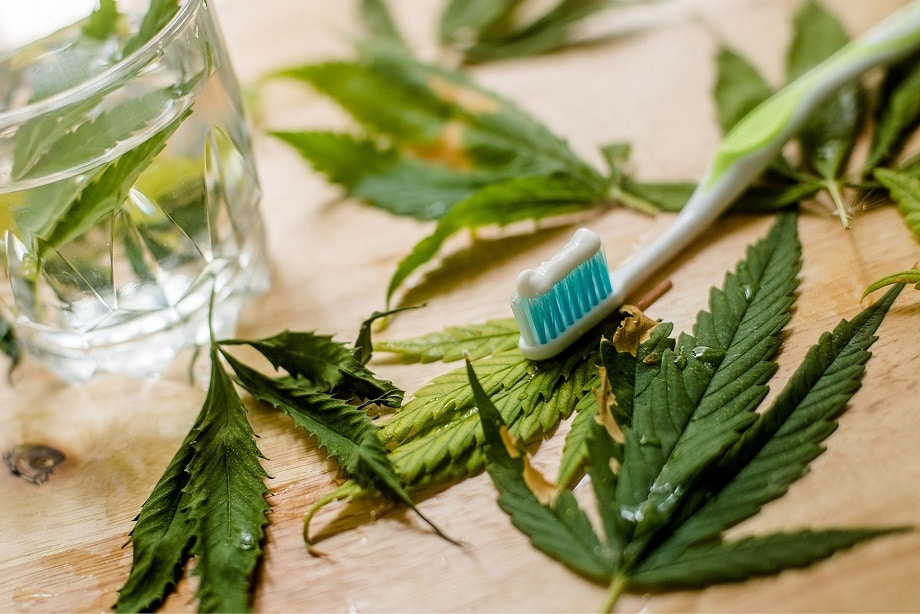



Cannabinoids and Oral Hygiene: A Scientific Revolution
A groundbreaking study conducted in 2020 explored the antimicrobial properties of cannabinoids in the context of dental hygiene. The results showed that hemp-based toothpastes are more effective against the bacteria responsible for dental plaque compared to conventional toothpastes. This discovery opens new perspectives in understanding the therapeutic properties of compounds derived from collector's cannabis seeds.
The research focuses mainly on major cannabinoids such as CBD, CBG, CBC, and CBN, extracted from the genetic material of specific varieties. These molecules have distinct aromatic profiles and remarkable chemical properties, including their natural anti-inflammatory and antimicrobial capabilities.
Beneficial Properties and Important Considerations of CBD
Scientific studies reveal several interesting properties of cannabinoids for oral health. CBD in particular displays anti-inflammatory characteristics that could theoretically help prevent periodontal disease.
Potential Benefits Identified
- Anti-inflammatory properties: CBD is recognized for its soothing characteristics at the cellular level
- Relaxing profile: Certain collector's seed varieties have genetics known for their calming properties
- Antimicrobial activity: Cannabinoids show action against various bacterial strains
- Post-procedure support: Anti-inflammatory properties could theoretically support recovery
Precautions and Interactions
It's essential to consider potential interactions with other substances. CBD can influence the metabolism of certain medications, particularly anticoagulants and sedatives. People undergoing medical treatment must absolutely consult their healthcare professional before using any products containing cannabinoids.
Regarding dental procedures, regular CBD users should inform their practitioner, as this molecule can affect the effectiveness of anesthesia and require dosage adjustments.
Comparative Effectiveness: Cannabinoids versus Traditional Toothpastes
The comparative study analyzed dental plaque samples taken from 60 participants with varying states of oral health. Researchers tested the effectiveness of various cannabinoids (CBD, CBC, CBN, CBG) as well as cannabigerolic acid (CBGA) against reference commercial toothpastes.
The results revealed that samples treated with cannabinoids showed a significantly greater reduction in bacterial colonies compared to those treated with conventional toothpastes. CBN and CBC stood out in particular for their antimicrobial effectiveness.
These findings are explained by the intrinsic properties of cannabinoids, compounds naturally present in cannabis genetics. Each collector's seed variety has a unique cannabinoid profile, determined by its specific genetic makeup.
Mechanisms of Action and Scientific Perspectives
Understanding of the mechanisms of action of cannabinoids continues to deepen. A 2018 study published in Scientific Reports showed that anandamide, an endocannabinoid naturally produced by the body, has the ability to fight certain resistant bacterial strains such as MRSA (methicillin-resistant Staphylococcus aureus).
This action works through the inhibition of bacterial biofilm formation. This discovery is particularly relevant because dental plaque is precisely a biofilm of gram-positive bacteria, notably Streptococcus mutans, the main cause of tooth decay.
Terpenes, aromatic compounds present in collector's seeds, also contribute to antimicrobial properties. These molecules, responsible for the characteristic olfactory profiles of each variety, have their own biological activities and can act in synergy with cannabinoids.
Impact of Consumption Method on Oral Health
It's important to distinguish between the potential benefits of purified cannabinoids and the effects linked to traditional consumption methods. Burning plant material, regardless of its nature, generates by-products that are potentially harmful to oral health.
The associated risks include tooth discoloration, enamel demineralization, the appearance of leukoplakia (white patches on mucous membranes), and, paradoxically, the development of periodontal disease, in contrast to the protective effects observed with purified cannabinoids.
Special Considerations and Sensitive Populations
The use of cannabinoid-based products requires particular attention for certain populations. Children, pregnant women, and people undergoing medical treatment require specialized medical supervision before any exposure to cannabinoids.
Research on pediatric applications remains limited and is mainly focused on specific conditions such as treatment-resistant epilepsy. In this context, only standardized pharmaceutical preparations are considered appropriate.
In conclusion, although the antimicrobial properties of cannabinoids found in collector's cannabis seeds are promising for the development of new oral hygiene products, further research is still needed to optimize their use and confirm their long-term safety.