


 English (English)
 Deutsch (German)
 Čeština (Czech)
 Italiano (Italian)
 Hrvatski (Croatian)
 Română (Romanian)
 български език (Bulgarian)
 Magyar (Hungarian)
 Español (Spanish)
 Français (French)
 Nederlands (Dutch)
 Polski (Polish)
 Slovenčina (Slovak)
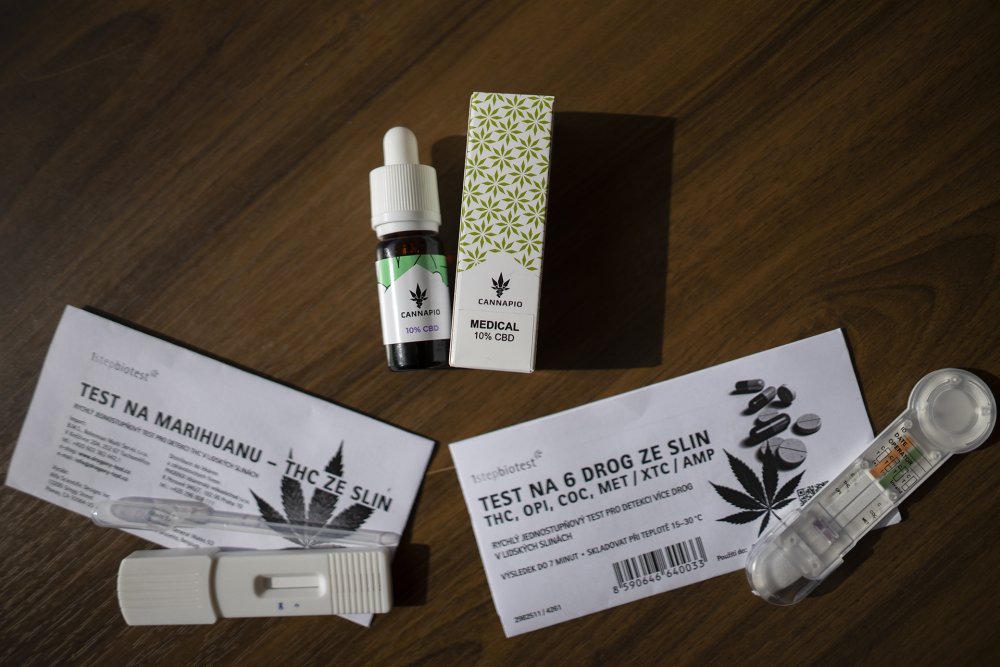
For enthusiasts of CBD genetics, the question often arises whether collector's seeds and derived products leave traces in drug tests. These genetic materials, sourced from cannabis, contain fascinating cannabinoid profiles that are intensively studied by collectors and researchers.
Many enthusiasts worry about the detectability of these genetic compounds, especially since they come from the same plant family as THC-rich varieties. To eliminate this uncertainty, we have conducted extensive research into the chemical composition and detection sensitivity.
Cannabidiol: The fascinating cannabinoid
Cannabidiol (CBD) represents one of the most intriguing molecules in cannabis genetics. This cannabinoid, valued by collectors for its unique aromatic properties, interacts with the human endocannabinoid system in a completely different way than its psychoactive cousin THC.
Cannabis contains more than 80 different cannabinoids, each with their own molecular structure and properties. THC is the only cannabinoid with psychotropic characteristics, which means that CBD-rich genetics are known for their relaxing profiles without mind-altering effects.
The endocannabinoid system consists of receptors spread throughout the body that naturally respond to these plant compounds. These biological receptors have evolved to interact with cannabinoids, which explains why cannabis genetics possess such fascinating chemical properties.
Drug tests and cannabinoid detection
Standard drug tests are specifically developed to detect THC and its metabolites, not CBD. These tests look for tetrahydrocannabinol carboxylic acid (THC-COOH), the primary breakdown product of THC that can remain in the body for days.
CBD has a completely different molecular structure and is metabolized differently. Conventional drug tests therefore do not react to pure CBD compounds, because they are fundamentally different from THC from a chemical perspective.
Full-spectrum genetics and trace compounds
Some full-spectrum collector's genetics contain minimal amounts of THC, typically below 0.3% as legally permitted. These concentrations are so low that they are practically undetectable in standard tests.
The presence of these trace compounds is not coincidental: the so-called 'entourage effect' suggests that different cannabinoids and terpenes work synergistically, enhancing the aromatic and other properties of the genetics.
Practical test analysis of genetic materials
To investigate detectability, we analyzed several commercially available drug tests with a focus on their sensitivity to different cannabinoid concentrations.
Test methodology and results
Specifically for this analysis, we used two different test methods:
- Saliva test for THC detection - A rapid test that provides results within minutes
- Multi-drug saliva test - A sensitive test for six different substance classes
When using a standard dosage of full-spectrum CBD material (comparable to 10 drops of oil), both tests showed consistently negative results. This confirms that the minimal THC concentrations in legal CBD genetics remain below the detection threshold.
Terpenes and aromatic profiles
In addition to cannabinoids, collector's genetics contain complex terpene profiles that contribute to their unique aromatic properties. Terpenes such as myrcene, limonene, and pinene are responsible for the characteristic scents that collectors appreciate so much.
These aromatic compounds are not detected by drug tests because they also occur in many other plants such as citrus fruits, pine trees, and herbs. They therefore pose no risk in detection tests.
Scientific considerations for collectors
For serious genetics collectors, it is important to understand that the chemical composition of cannabis seeds is very complex. Different cultivars exhibit unique cannabinoid and terpene profiles, which form the basis for their classification and value as collector's items.
The concentrations of active compounds vary considerably between different genetic lines. Some are specifically selected for high CBD concentrations, while others are interesting due to their unique terpene combinations.
Isolate versus full-spectrum genetics
Collectors can choose between different types of genetic material:
- CBD isolate genetics - Contains almost exclusively CBD
- Full-spectrum genetics - Contains the complete cannabinoid profile including traces of other compounds
- Broad-spectrum genetics - Full-spectrum without detectable THC levels
Each type offers different advantages for collectors, depending on their specific interest in certain genetic traits.
Conclusions for cannabis genetics enthusiasts
Based on scientific analysis, we can conclude that legal CBD genetics with THC concentrations below 0.3% leave no detectable traces in standard drug tests. The molecular concentrations are simply too low to exceed the detection threshold.
For cannabis collectors, this means that their passion for genetic diversity and aromatic profiles poses no practical complications. They can fully focus on studying the fascinating variation within cannabis genetics.
It is important to note that this information specifically relates to legally available collector's material that complies with applicable legislation in your country regarding THC limits. Collectors are always advised to obtain products from reliable sources that can provide complete laboratory analyses.