


 English (English)
 Deutsch (German)
 Čeština (Czech)
 Italiano (Italian)
 Hrvatski (Croatian)
 Română (Romanian)
 български език (Bulgarian)
 Magyar (Hungarian)
 Español (Spanish)
 Français (French)
 Nederlands (Dutch)
 Polski (Polish)
 Slovenčina (Slovak)
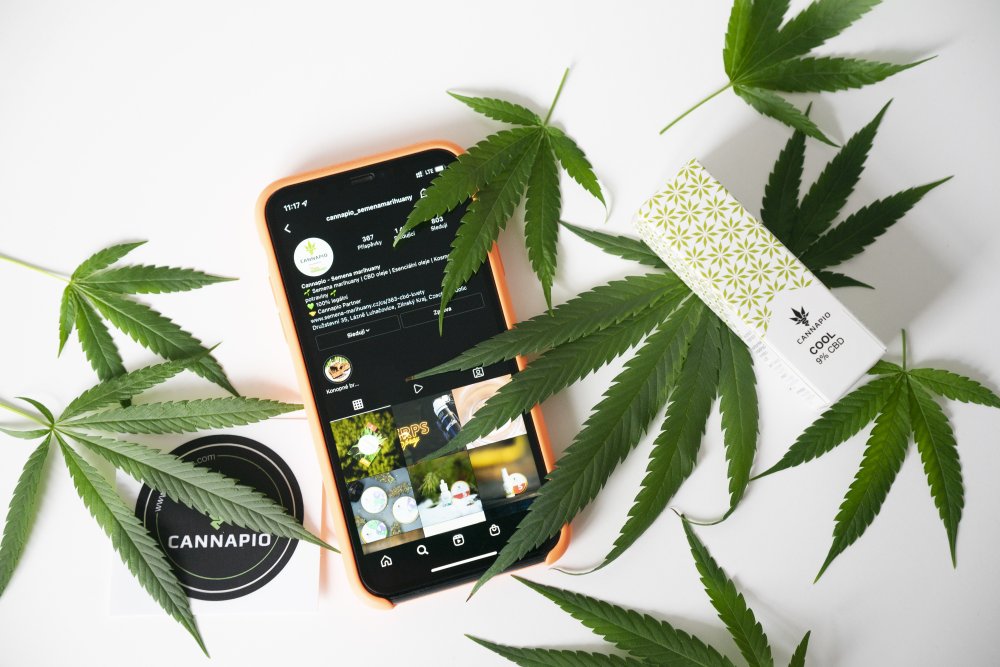



The cannabidiol (CBD) has emerged as one of the most fascinating components of cannabis, revolutionizing the international landscape of cannabis-derived products. This molecule, extracted from Cannabis sativa varieties rich in this cannabinoid, is transforming global markets and generating unprecedented opportunities for collectors and cannabis genetics enthusiasts.
The evolution of CBD in international markets reflects a paradigm shift in the social perception of cannabis. CBD-rich genetics have captured the attention of researchers, entrepreneurs, and consumers due to their unique chemical profiles and distinctive aromatic properties. This phenomenon has driven the development of a multi-billion dollar industry that continues to expand at a rapid pace.
Diversity of CBD products in the current commercial ecosystem
The contemporary CBD market encompasses an extraordinary variety of products that go beyond traditional extractions. This diversification has been key to the sustained growth of the sector, offering options for different preferences and applications:
CBD oils: They represent the most versatile form of cannabidiol, allowing multiple methods of application. These concentrates preserve the full spectrum of terpenes, flavonoids, and minor cannabinoids, creating what is known as the "entourage effect." Their composition includes natural vitamins, minerals, and phytocannabinoids that enhance the aromatic characteristics of the original genetics.
CBD crystals and isolates: They constitute the purest form of cannabidiol, reaching concentrations above 99%. These crystalline products allow one to appreciate the chemical properties of CBD in its most refined state, without interference from other compounds.
Cannabidiol tinctures: Produced through specific extraction processes from stems and plant material, these liquid preparations maintain complex terpene profiles that reflect the aromatic characteristics of the original CBD genetics.
CBD cosmetics: This category includes creams, lip balms, and personal care products that incorporate cannabidiol. The terpenes and aromatic compounds of CBD provide natural antioxidant properties that benefit cosmetic formulations.
CBD e-liquids: Designed for vaporization devices, these products allow one to experience the terpene profiles of cannabidiol immediately, preserving the aromatic characteristics of the parent varieties.
Historical evolution and determining factors of the CBD market
The trajectory of CBD in international markets presents clearly differentiated phases. The period between 2016 and 2018 marked the definitive takeoff of this industry, coinciding with significant advances in scientific research and favorable regulatory changes.
During 2017, institutions such as the National Institute of Health allocated significant resources to 330 research projects on cannabinoids, with a total investment of 140 million dollars. Additionally, 36 million dollars were allocated for 70 specific projects focused on the therapeutic properties of CBD.
The establishment of specialized government programs in cannabinoid research, led by the National Research Foundation, consolidated the scientific foundations for the commercial development of the sector. In 2018, global CBD demand experienced an increase of 5.73% year-over-year, establishing the optimistic projections that would characterize the 2019-2026 period.
Impact of global events on the CBD industry
The coronavirus pandemic introduced unforeseen variables in the development of the CBD market. Although a 6.1% decrease in sales was initially recorded during 2020, this decline was mainly due to logistical restrictions and not a reduction in consumer interest.
Paradoxically, demand for CBD products reached record levels during the pandemic, representing 59.6% of the total market with a value of 2.8 billion dollars. This phenomenon is attributed to the growing interest in the relaxing properties associated with CBD-rich genetics, particularly those with specific terpene profiles such as myrcene and linalool.
Studies on the application of cannabinoids in the context of COVID-19 generated additional attention toward these molecules, driving research into their mechanisms of action and chemical composition. North America led the sector's recovery with a 37.3% share of the global market, followed by Europe and the Asia-Pacific region.
Future outlook and emerging trends
The year 2021 marked a phase of recovery and consolidation for the CBD industry. Projections indicate sustained growth driven by several converging factors:
- Genetic diversification: The development of new varieties with unique cannabinoid profiles is expanding commercial possibilities
- Product innovation: The incorporation of specific terpenes and cannabinoid combinations is creating specialized market niches
- Scientific research: Advances in understanding the molecular mechanisms of CBD are validating commercial applications
- Favorable regulation: The clarification of the legal framework in various jurisdictions is facilitating international trade
China, India, and Japan led the post-pandemic recovery, while the U.S. market experienced an increase of 20.7 billion dollars in CBD product imports during 2021.
Collectible CBD-rich genetics continue to be the foundation of this expanding industry. For seed collectors, this represents a unique opportunity to preserve and study varieties with exceptional chemical profiles that are defining the future of global cannabinoid markets.
The medium-term projection suggests that the CBD market will maintain its upward trajectory, driven by continued product innovation and the growing scientific recognition of the unique properties of these extraordinary plant molecules.