


 English (English)
 Deutsch (German)
 Čeština (Czech)
 Italiano (Italian)
 Hrvatski (Croatian)
 Română (Romanian)
 български език (Bulgarian)
 Magyar (Hungarian)
 Español (Spanish)
 Français (French)
 Nederlands (Dutch)
 Polski (Polish)
 Slovenčina (Slovak)
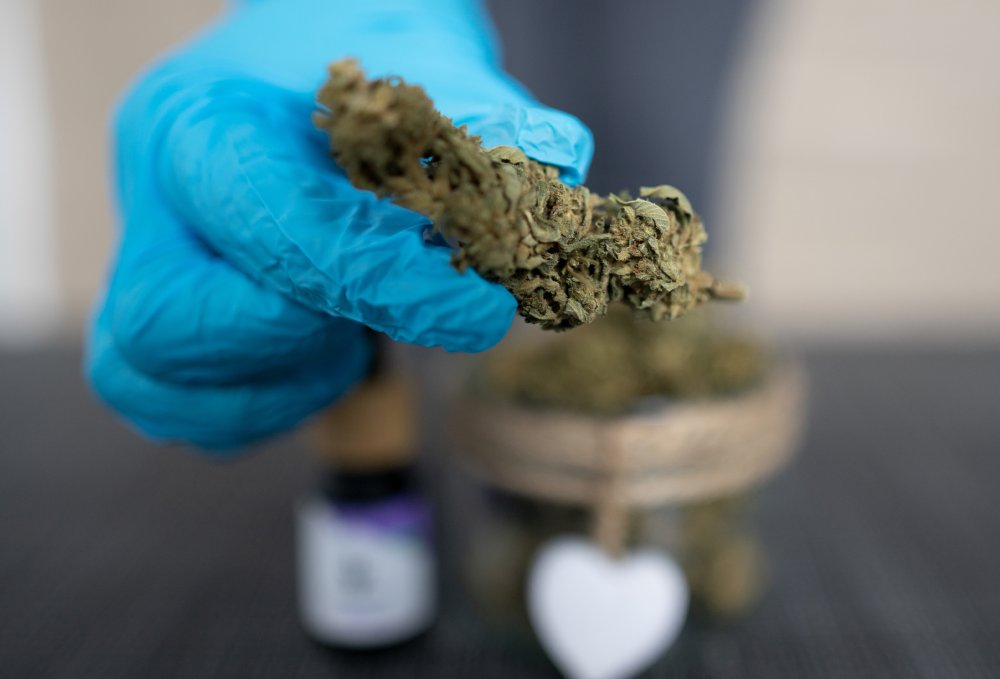



The placebo effect has accompanied humanity since ancient times. In earlier eras, substitute substances were given instead of real medicines to people with ailments, and surprisingly, many experienced improvement. Even today, the exact mechanisms behind the effectiveness of placebo remain a mystery. With the growing popularity of cannabis-derived products as collectible genetic material, many enthusiasts associate placebo with CBD extracts. Today we'll explore the reasons behind this perception and the current findings of scientific research in this fascinating field.
Understanding CBD as Genetic Material
CBD is a compound that, together with THC, occurs naturally in cannabis genetics. This molecule has no psychoactive properties and poses no health risks. Its legality is expanding globally, and the development of the CBD industry in the market is also experiencing steady growth. CBD products are recognized as nutritional supplements that, when used appropriately alongside a healthy lifestyle, can offer benefits to the body. It interacts with the endocannabinoid system, which influences bodily homeostasis. Manufacturers are constantly striving to innovate, which is why it's now possible to buy CBD cosmetics, CBD sweets, or CBD e-liquids. All of these products enjoy great popularity among collectors.
Defining the Placebo Effect in a Scientific Context
The term "placebo effect" has its roots in deep psychological foundations. It can involve any substance or therapeutic method. The essence of the placebo effect lies in the fact that any object is perceived as an effective, curative substance, when in reality it contains no active component that could help resolve health problems. It's frequently used in medical research. In these cases, the placebo is given to patients alongside new experimental drugs. This allows researchers to evaluate the true beneficial and adverse effects of the medication. The psychological foundation is reinforced by patients' reactions to the placebo. Some individuals manage to mentally convince themselves that the substance they consumed is providing them with benefits.
Placebo Mechanisms in the Human Body
Research into this phenomenon has been ongoing for several years, but no definitive conclusion about the process has yet been established. During the placebo effect, three areas function synergistically: our brain, perception, and emotions. This generates expectations in the person, which form the basis of the entire mental conviction. The greater the expectation of positive effects, the more people trust the placebo.
However, although it might seem that placebo is purely imaginary, this is not the case. Placebo genuinely exists, and numerous international studies demonstrate this. A notable example is the treatment of Lennox-Gastaut syndrome, where placebo (ordinary glucose) was administered to patients, and the results showed a 22% reduction in seizure reactions per month. In relation to placebo, specialized sources also point to the nocebo effect. This is the opposite of placebo, causing unwanted adverse effects. In practice, this means that people, after receiving a placebo, experience negative effects that manifest physically or mentally in their body.
Why Might Placebo Be Linked to CBD?
The placebo effect can essentially be part of any medication or supplement. Therefore, it could also be linked to CBD extracts. A large number of people hold the opinion that CBD is nothing more than placebo. What are the reasons behind this belief? There can be several:
- People lack sufficient information about the CBD compound
- CBD products are new to them on the market, so they don't trust them
- CBD doesn't affect everyone in the same way
- CBD helps against multiple conditions simultaneously, which isn't common
- The effects of CBD develop over a certain period of time, much like the placebo effect
Scientific Analysis: CBD versus Placebo
This topic is fascinating for the scientific community, which is why several study conclusions are available. We'll present only the most significant ones to confirm or refute the placebo-CBD relationship. The first study focused on examining patients with schizophrenia. The author of the study is Douglas L. and colleagues. The study was conducted in 2018, so in scientific terms it's already considered established information. CBD was compared and administered alongside placebo as complementary therapy to antipsychotic treatment. The therapeutic process followed this protocol: participants received treatment for 4 weeks with a standard dose of antipsychotic therapy, and subsequently took, for an additional 6 weeks, either cannabidiol (600 mg/day) or placebo (36 patients were selected). What did the results reveal? Surprisingly, no difference was demonstrated between the effects of CBD and placebo. The study also indicates that neither placebo nor CBD had any impact on participants' cognitive functions. It's a notable finding that CBD did not improve treatment outcomes; it had a greater influence on positive symptoms than placebo. The efficacy value of placebo was 1.62, and that of CBD was 2.14.
Research on Sleep and Wakefulness
Another study differs, as its subject of research was sleep and daytime wakefulness in relation to CBD and placebo. The study comes from the prestigious scientific journal Frontiers in Pharmacology, also from 2018. 27 subjects took part under very strict criteria. Participants were not allowed to take medications or other substances, could not smoke, and had to meticulously record their sleep process and quality. This was to prevent biased results. Before the study, participants were divided into two groups. One group chose which form of treatment they wanted (CBD or placebo), while the other was assigned the remaining option. Here too, no statistically significant difference was found between the two compounds. It was confirmed that CBD did not disrupt sleep at all, but rather contributed to its quality.
An earlier study, published on onlinelibrary.com, addresses the treatment of multiple sclerosis with an oral CBD spray or placebo. The result leans positively toward CBD, with an effectiveness 20% higher than placebo. Researchers explain this based on the endocannabinoid system, which played a role in the administration of the CBD dose and connected directly with the CB1 and CB2 receptors in our body, something that, compared to placebo, did not occur, since placebo had no system to connect to.
Current Perspectives on Placebo and CBD
To remain objective, in the previous section we referenced conclusions from already established studies on placebo and CBD. However, we also considered the most recent research from 2021, which examined the effect of placebo or CBD in the context of pain. The research sample consisted of 15 participants who had not previously experienced pain. Their pain reactions were recorded along with psychological and physiological responses. The findings suggest that, although there is a certain placebo component in perceptions of CBD, the real molecular properties of this cannabis compound interact in a measurable way with our endocannabinoid system, clearly distinguishing it from a simple placebo effect. This research represents an important step toward a deeper understanding of how cannabis genetics and their compounds function as unique genetic material with distinctive aromatic and chemical profiles.