


 English (English)
 Deutsch (German)
 Čeština (Czech)
 Italiano (Italian)
 Hrvatski (Croatian)
 Română (Romanian)
 български език (Bulgarian)
 Magyar (Hungarian)
 Español (Spanish)
 Français (French)
 Nederlands (Dutch)
 Polski (Polish)
 Slovenčina (Slovak)



With the arrival of spring, many people experience a phenomenon known as seasonal fatigue. This state of physical and mental exhaustion can significantly interfere with our daily activities. If you find yourself struggling with this persistent feeling of tiredness, it is important to understand that you are not alone in this situation.
The genetic material of cannabis, specifically cannabidiol (CBD), has attracted growing scientific interest due to its unique properties. As collectors of cannabis genetics, it is fascinating to explore how these compounds interact with biological systems and what characteristics these varieties present in terms of chemical composition.
Understanding Seasonal Fatigue: Beyond Common Tiredness
Seasonal fatigue is characterized as a state of physical and psychological exhaustion that goes beyond habitual tiredness. This phenomenon affects the ability to perform daily tasks and manifests with greater intensity during seasonal changes.
According to research published in the American Family Physician, approximately 20% of adults experience fatigue daily, while one third of adolescents report feeling tired at least four days per week. These figures reveal the magnitude of the problem in the general population.
It is important to distinguish between fatigue and drowsiness, as they are different conditions. Fatigue represents a general decrease in the functioning of the organism, while drowsiness involves a specific alteration of the wakefulness mechanism. Fatigued people usually show improvement after moderate physical activity, contrary to those experiencing drowsiness.
Triggers of Spring Fatigue
Fatigue is a natural response of the organism when it is overloaded. However, when this state occurs daily or multiple times during the day, we may be facing a picture of chronic fatigue that requires specialized attention.
The main factors that contribute to the development of fatigued states include:
- Viral and upper respiratory infections
- Hematological conditions such as anemia
- Overweight and lack of physical conditioning
- Pulmonary and cardiovascular diseases
- Side effects of medications
- Depressive states and mood disorders
- Oncological processes
Lifestyle plays a fundamental role in the development of fatigue. Dietary patterns, level of physical activity, and sleep habits directly influence our overall energy state. The good news is that fatigue represents a challenge that can be overcome with the right strategies.
CBD as Genetic Material of Scientific Interest
The collectible seeds of CBD-rich varieties represent fascinating genetic material from a research point of view. These genetics are characterized by producing high levels of cannabidiol, a non-psychotropic compound that has attracted the attention of the international scientific community.
Dr. Meredith Bull, in her research on chronic fatigue syndrome, has documented the specific properties of CBD in relation to states of persistent exhaustion. Chronic fatigue syndrome typically appears after cognitive, emotional, or physical efforts, and is frequently accompanied by sleep disturbances.
The symptoms associated with chronic fatigue include:
- Sleep pattern disorders
- Localized pain in various body regions
- Headaches and sensations of dizziness
- Cognitive and concentration difficulties
- Joint and muscle discomfort
- Heart palpitations
- Mild febrile episodes and a feeling of general malaise
Chemical Composition and Properties of CBD Genetic Material
The cannabidiol present in these collectible seeds possesses unique molecular characteristics that allow it to interact with various receptor systems. Unlike other cannabinoids, CBD does not exert psychoactive effects, which makes it a compound of particular interest for research.
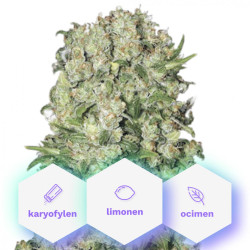
CBD-rich genetics are characterized by their distinctive terpene profile, which contributes to their aromatic properties and potential synergistic effects. The most common terpenes in these varieties include myrcene, limonene, pinene, and linalool, each with its specific organoleptic characteristics.
From a research point of view, it has been observed that CBD interacts indirectly with brain receptors, influencing the way they bind to neurotransmitters. This interaction can protect natural endocannabinoids in the body from premature degradation.
Additionally, studies have documented the ability of CBD to activate serotonin and adenosine receptors, neurochemical systems related to mood regulation and sleep-wake cycles.
Genetic Profiles and Collection Characteristics
For collectors interested in genetic material for collection, CBD-rich varieties offer a fascinating diversity of chemical profiles and botanical characteristics. These genetics typically present CBD:THC ratios that can range from 20:1 to even higher.
The collectible seeds of CBD-rich varieties are distinguished by their genetic stability and the consistency of their cannabinoid profiles. Specialized breeders have developed lines that maintain specific characteristics across multiple generations, preserving both the chemical properties and the desired morphological traits.
It is important to note that these seeds are intended exclusively for collection and genetic preservation purposes, representing the work of years of selection and breeding by specialists in cannabis genetics.