


 English (English)
 Deutsch (German)
 Čeština (Czech)
 Italiano (Italian)
 Hrvatski (Croatian)
 Română (Romanian)
 български език (Bulgarian)
 Magyar (Hungarian)
 Español (Spanish)
 Français (French)
 Nederlands (Dutch)
 Polski (Polish)
 Slovenčina (Slovak)



Legal status of cannabis in the European Union (as of 25 September 2026)
- The EU has no single cannabis law: it sets a common framework for hemp farming, trade and drug trafficking, while recreational use is regulated by each Member State.
- CBD lawfully produced in one Member State may in principle be sold in another; a national ban is allowed only if it is suitable to protect public health and does not go beyond what is necessary. The Court held that such CBD is not a narcotic drug under the 1961 Single Convention (Articles 34 and 36 TFEU, Case C-663/18 Kanavape, paras 76 and 96).
- Industrial hemp qualifies for CAP direct payments only if the THC content of the variety does not exceed 0.3 % (Art. 4(4) Regulation (EU) 2021/2115); THC control methods are set by the Commission (Art. 60(4)(a) Regulation (EU) 2021/2116).
- Member States may restrict how hemp is grown, for example ban indoor hydroponic cultivation, if the restriction is suitable and proportionate for protecting public health (Case C-793/22 Biohemp Concept, 4 October 2024).
- Member States must make intentional unlawful cultivation of cannabis plants and drug trafficking a criminal offence (Art. 2(1)(b) Framework Decision 2004/757/JHA, as quoted in Case C-271/23).
- Rules on recreational cannabis differ widely: Germany allows adults to possess up to 25 g in public, 50 g at home and three plants (§ 3 and § 9 KCanG), while in Czechia personal use becomes a criminal offence only above 5 plants, 200 g at home or 50 g elsewhere, and plants with up to 1 % THC are excluded (§ 285 Czech Criminal Code).
“Články 34 a 36 SFEU musí být vykládány v tom smyslu, že brání vnitrostátní právní úpravě, která zakazuje uvádět na trh CBD, který je legálně vyprodukován v jiném členském státě, v případě, že je extrahován z celé rostliny cannabis sativa, a nikoli pouze z jejích vláken a semen, ledaže je tato právní úprava s to zaručit naplnění cíle ochrany veřejného zdraví a nepřekračuje meze toho, co je k dosažení tohoto cíle nezbytné.”
[Translation: “Articles 34 and 36 TFEU must be interpreted as precluding national legislation which prohibits the marketing of CBD lawfully produced in another Member State when it is extracted from the Cannabis sativa plant in its entirety and not solely from its fibre and seeds, unless that legislation is appropriate for securing the attainment of the objective of protecting public health and does not go beyond what is necessary for that purpose.”]
This overview is based on legislation and case law in the legal database Europaius. It is not legal advice.
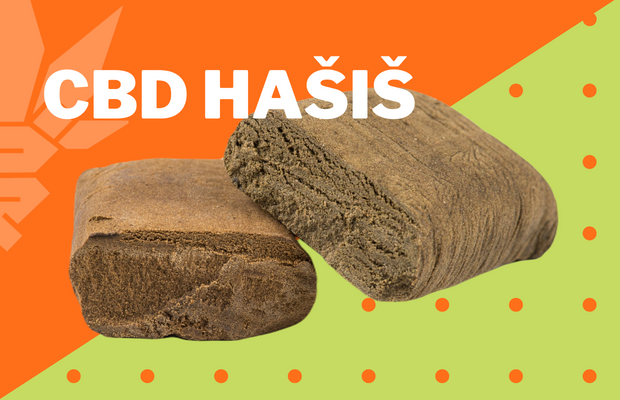
CBD Hash: Cannabis Resin Concentrate for Collectors
The world of collectible cannabis has evolved significantly, and among the most fascinating products is CBD hash. This concentrate represents a highly refined form of cannabis genetic material, obtained exclusively from cannabis varieties with low THC content. Unlike traditional products, CBD hash is characterized by preserving the plant's most intense and complex aromatic profiles.
As a collectible material, CBD hash stands out for its exceptional concentration of cannabinoids such as CBD, CBG, and CBN, together with a full spectrum of terpenes that define its unique organoleptic characteristics. This concentration is achieved through the careful extraction of trichomes, the small resinous glands that cover the cannabis flowers and contain the highest density of active compounds.
Chemical Composition and Aromatic Profiles of Collectible Hash
CBD hash represents a concentrate of cannabis genetic material that preserves the molecular integrity of the plant's original compounds. The extracted trichomes contain not only primary cannabinoids but also a complex matrix of terpenes that determine the distinctive aromatic properties of each variety.
Main Cannabinoids in the Genetic Material
The genetics used to produce collectible hash are characterized by specific cannabinoid profiles. CBD (cannabidiol) is usually the predominant compound, accompanied by variable amounts of CBG (cannabigerol), CBN (cannabinol), and other minor cannabinoids. This chemical composition defines the unique characteristics of each batch of genetic material.
The concentration of these compounds in hash can be significantly higher than that found in dried flowers, which makes this concentrate a particularly valuable material for study for collectors interested in specific cannabinoid profiles.
Terpenes and Organoleptic Properties
The terpenes present in CBD hash determine not only its characteristic aroma but also the organoleptic properties that make each sample a unique piece for a collection. Compounds such as myrcene, limonene, pinene, and linalool become concentrated during the extraction process, creating intense, complex aromatic profiles.
These aromatic molecules, known for their properties within the plant kingdom, remain stable in the resinous matrix of the hash, allowing for extended study of the genetic characteristics of the original varieties.
Extraction and Processing Methods for the Genetic Material
Producing CBD hash involves various extraction methods, each designed to preserve the integrity of the trichomes and maximize the concentration of the desired compounds. These processes range from traditional techniques to modern methods that use advanced technology.
Manual Extraction and Traditional Techniques
Traditional extraction methods include hand-rubbing, in which the resin naturally sticks to the hands while handling fresh plant material. This technique, although labor-intensive, produces a hash with exceptional organoleptic characteristics, since it preserves the most volatile terpenes.
The dry sieving method uses screens of different micron sizes to mechanically separate the trichomes from the plant material. This process allows for different grades of purity, ranging from greener concentrates to nearly translucent, high-quality resins.
Water and Ice Extraction Methods
The technique known as "bubble hash" uses ice-cold water to harden the trichomes, making it easier to separate them from the plant material through controlled agitation. This method produces a concentrate of exceptional purity, since it uses only water and temperature for the extraction process.
The different screens used in this process allow the extracted material to be sorted by trichome size, resulting in final products with distinctive characteristics. The finer grades tend to have lighter colors and more refined terpene profiles.
Modern Concentration Technologies
Contemporary methods include the use of hydraulic presses that apply controlled pressure and heat to turn loose trichomes into compact blocks of hash. This technique allows precise control over the final texture and density of the product.
Dry ice extraction represents another technological advance, using solid CO2 to instantly freeze the trichomes, making them easier to separate without introducing moisture into the process. This method is particularly prized for preserving the most delicate terpene profiles.
Legal Aspects and Considerations for Collectors
CBD hash, when produced from certified varieties with THC content below the legal limit, is considered collectible genetic material in many European jurisdictions. However, it is essential for collectors to understand the specific regulations applicable in each territory.
European Regulatory Framework
In the European context, cannabis genetic material derived from registered industrial varieties is governed by specific regulations that vary between member states. The maximum permitted THC content in final products determines its legal classification and the conditions for its sale.
Collectors must verify that any genetic material in their possession comes from certified sources and meets local cannabinoid content requirements. Proper documentation is essential to demonstrate the legitimate provenance of the material.
Storage and Preservation of the Genetic Material
Properly preserving CBD hash as a collectible material requires specific storage conditions. Temperature, humidity, and light exposure directly affect the stability of the cannabinoids and terpenes present.
It is recommended to keep samples in airtight containers, protected from direct light, and at stable temperatures. These conditions not only preserve the material's organoleptic properties but also maintain its chemical integrity for future studies or analysis.
Scientific and Educational Value of the Concentrated Material
CBD hash represents an exceptional educational resource for understanding the chemical complexity of cannabis. Its concentrated format allows for intensive study of the cannabinoid and terpene profiles characteristic of different genetics.
For academic institutions and research centers, these concentrates offer standardized samples that facilitate comparative studies between varieties. The stability of the processed material allows for long-term analysis and longitudinal comparisons of genetic characteristics.
Specialized collectors particularly value samples that preserve the unique characteristics of specific historical or regional genetics, turning each piece into a testament to the genetic diversity of cannabis grown in different regions and eras.